

Many people often wonder, does sunscreen go on before or after moisturizer? This question is crucial for anyone looking to protect their skin effectively while maintaining a healthy skincare routine. Understanding the correct order of application can significantly enhance the efficacy of both products, ensuring your skin stays hydrated and shielded from harmful UV rays.
The Importance of Skincare Routine
A well-structured skincare routine can make a world of difference in how your skin looks and feels. It’s not just about applying products haphazardly; the order in which you apply them matters immensely. By layering products correctly, you can maximize their benefits and achieve healthier skin.
Understanding Moisturizers
Moisturizers are designed to hydrate the skin, providing essential nutrients and locking in moisture. They come in various forms, including creams, lotions, gels, and oils. Here are some functions of moisturizers:
- Hydrating the skin
- Preventing moisture loss
- Soothing irritated skin
- Improving skin texture and elasticity
The Role of Sunscreen
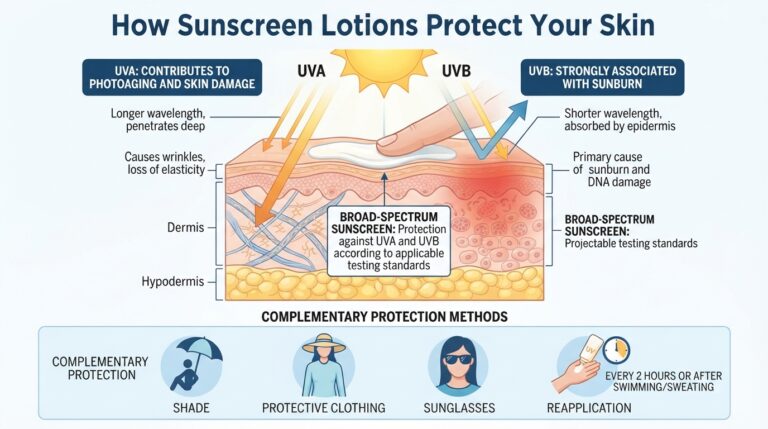
Sunscreen is vital for protecting the skin from the sun’s harmful UV rays, which can cause premature aging, sunburn, and even skin cancer. Sunscreens can be categorized into two types:
- Chemical Sunscreens: Absorb UV radiation and convert it into heat, which is then released from the skin.
- Physical (or Mineral) Sunscreens: Contain active mineral ingredients like zinc oxide or titanium dioxide that sit on top of the skin and deflect UV rays.
The Correct Order: Sunscreen and Moisturizer
Now, let’s answer the burning question: does sunscreen go on before or after moisturizer? The general consensus among dermatologists is that sunscreen should be applied after moisturizer. This sequence allows the moisturizer to penetrate the skin effectively while providing a protective barrier against UV rays.
Why Moisturizer First?
Applying moisturizer first serves several purposes:
- Hydration: A moisturizer helps to hydrate the skin, which is crucial for maintaining a healthy skin barrier.
- Better Absorption: If the sunscreen is applied first, it can create a barrier that prevents the moisturizer from being absorbed effectively.
- Layering Benefits: Moisturizers are often designed to be absorbed quickly, allowing sunscreen to sit on top and form a protective layer.
Application Tips for Best Results
To ensure maximum efficacy of both products, consider the following tips:
- Start with clean skin: Always cleanse your face before applying any skincare products.
- Apply moisturizer generously: Use a suitable amount of moisturizer for your skin type and allow it to absorb completely.
- Let it dry: Give your moisturizer a few minutes to settle into the skin before applying sunscreen.
- Use enough sunscreen: Apply a generous amount of sunscreen—about a nickel-sized amount for the face, and ensure coverage over all exposed areas.
- Reapply sunscreen: Remember to reapply sunscreen every two hours, or more frequently if you are sweating or swimming.
Common Myths About Sunscreen and Moisturizer
There are several myths surrounding the use of sunscreen and moisturizer. Let’s debunk a few:
Myth 1: Sunscreen is Only Necessary on Sunny Days
Many people think that sunscreen is only required on sunny days. However, UV rays can penetrate clouds and cause skin damage even when it’s overcast. It’s essential to wear sunscreen daily, regardless of the weather.
Myth 2: Moisturizer Provides Sufficient Sun Protection
While some moisturizers contain SPF, they typically do not provide adequate protection on their own. It’s crucial to apply a dedicated sunscreen to ensure your skin is fully protected.
Myth 3: I Don’t Need Sunscreen if I Have Darker Skin
While darker skin tones may have more natural protection against UV rays, they are still at risk for skin damage and cancer. Everyone, regardless of skin tone, should use sunscreen.
The Best Products for Your Skincare Routine
Choosing the right products is vital for achieving optimal results. Here are some tips for selecting effective moisturizers and sunscreens:
Choosing a Moisturizer
- For Oily Skin: Look for lightweight, oil-free gel moisturizers.
- For Dry Skin: Choose rich creams with ingredients like hyaluronic acid and glycerin.
- For Sensitive Skin: Opt for fragrance-free and hypoallergenic options.
Choosing a Sunscreen
- SPF Rating: Look for broad-spectrum protection with an SPF of at least 30.
- Water Resistance: If you plan on swimming or sweating, choose a water-resistant formula.
- Skin Type: Pick a sunscreen that suits your skin type; for example, mineral sunscreens are often better for sensitive skin.
Conclusion
To wrap up, understanding the order of applying sunscreen and moisturizer is essential for effective skincare. Remember that sunscreen goes on after moisturizer to ensure your skin is hydrated and protected from UV rays. By following the tips and recommendations outlined in this guide, you can enhance your skincare routine and enjoy healthier, happier skin. Always remember to protect your skin daily and choose products that suit your individual needs. Your skin will thank you!