
As summer approaches, many of us are eager to soak up the sun. However, a common question arises: does sunscreen prevent tanning? Understanding how sunscreen works and its role in skin protection can help you enjoy the outdoors while maintaining healthy skin. In this article, we will explore the science behind sunscreen, its effectiveness in preventing tanning, and tips for optimal sun protection.
Understanding Tanning and Skin Damage
To comprehend the role of sunscreen in tanning prevention, it’s essential to understand what tanning actually is. Tanning occurs when your skin produces more melanin, the pigment responsible for skin color, in response to ultraviolet (UV) radiation from the sun. While many people desire a sun-kissed glow, excessive UV exposure can lead to skin damage, premature aging, and an increased risk of skin cancer.
The Role of UV Rays
There are two primary types of UV rays that affect our skin:
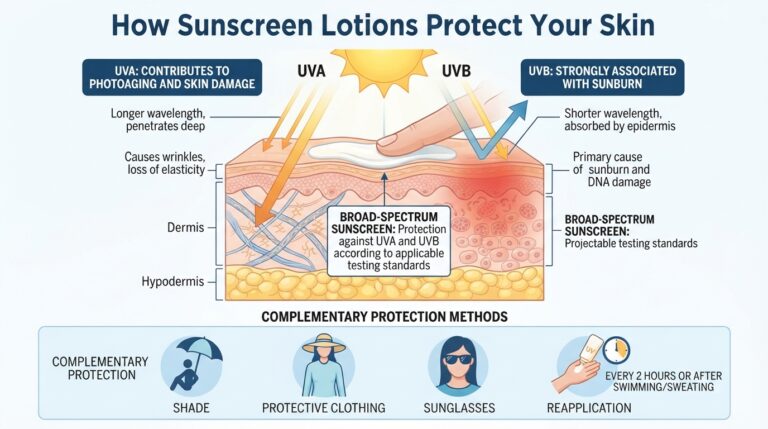
- UVA Rays: These rays penetrate deeply into the skin and are primarily responsible for skin aging and long-term skin damage.
- UVB Rays: These rays are responsible for causing sunburn and play a significant role in developing skin cancer.
Both types of UV rays contribute to tanning, but they operate differently. Sunscreens are formulated to protect against these harmful rays, but their effectiveness can vary based on several factors.
How Sunscreen Works
Sunscreen products contain active ingredients that either absorb or reflect UV radiation, thereby preventing it from penetrating the skin. There are two main types of sunscreen:
- Chemical Sunscreens: These contain organic compounds that absorb UV radiation and convert it into heat, which is then released from the skin.
- Physical (Mineral) Sunscreens: These contain active mineral ingredients like zinc oxide or titanium dioxide that sit on top of the skin and deflect UV rays.
Both types of sunscreen can help reduce the risk of tanning, but their effectiveness can be influenced by several factors, including application amount, reapplication frequency, and skin type.
Does Sunscreen Prevent Tanning? The Facts
The short answer is: yes, sunscreen can help prevent tanning, but it is not a foolproof solution. Here’s why:
SPF Ratings and Their Importance
The Sun Protection Factor (SPF) rating of a sunscreen indicates its effectiveness against UVB rays. For example:
| SPF Rating | UVB Protection |
|---|---|
| 15 | 93% of UVB rays |
| 30 | 97% of UVB rays |
| 50 | 98% of UVB rays |
While higher SPF ratings provide more protection, it’s important to note that no sunscreen can block 100% of UV rays. Thus, even with sunscreen, some tanning may occur, especially if you spend extended periods in the sun.
Application Techniques Matter
For sunscreen to be effective in preventing tanning, proper application is crucial. Here are some tips for optimal sunscreen application:
- Apply Generously: Use about one ounce (a shot glass full) to cover your entire body.
- Apply Before Exposure: Put on sunscreen at least 15-30 minutes before going outside to allow it to absorb into the skin.
- Reapply Regularly: Reapply every two hours, or more often if swimming or sweating.
Factors Influencing Tanning Despite Sunscreen Use
Even with proper sunscreen application, several factors can influence the degree of tanning:
Skin Type
Individuals with fair skin are more prone to tanning and burning than those with darker skin. It’s important to choose a sunscreen that suits your skin type and provides adequate protection.
Duration and Intensity of Sun Exposure
The longer you stay in the sun, especially during peak hours (10 AM to 4 PM), the greater the chance of tanning, regardless of sunscreen use. Consider seeking shade during these hours or wearing protective clothing.
High Altitudes and Reflective Surfaces
Sun exposure increases at higher altitudes, and reflective surfaces like water, sand, and snow can amplify UV rays. Always apply sunscreen in these environments, even if it feels cooler.
Additional Ways to Prevent Tanning
While sunscreen is a vital tool in preventing tanning, several additional strategies can enhance protection:
Protective Clothing
Wearing lightweight, long-sleeved clothing, wide-brimmed hats, and sunglasses can significantly reduce UV exposure. Look for clothing with a UV protection factor (UPF) for added security.
Seek Shade
Whenever possible, seek shade, especially during the peak hours of sunlight. This simple action can dramatically decrease your UV exposure and reduce the likelihood of tanning.
Use After-Sun Products
After-sun products, such as aloe vera or moisturizers with antioxidants, can help soothe and hydrate sun-exposed skin. Though they won’t prevent tanning, they can assist in skin recovery.
Conclusion
In summary, does sunscreen prevent tanning? While it can significantly reduce the likelihood of tanning, it is not a complete barrier against UV exposure. Understanding the science of tanning, the role of UV rays, and the effectiveness of sunscreen is essential for achieving healthy sun exposure. By combining sunscreen with additional protective measures like clothing, shade, and proper application techniques, you can enjoy the sun while minimizing the risk of tanning and skin damage. Prioritize your skin health, and enjoy those sunny days with confidence!