
When it comes to sun protection, a common question many people ask is: how long does sunscreen last before reapplying? Understanding the right timing for sunscreen application is crucial for safeguarding your skin from harmful UV rays and preventing sunburn. In this comprehensive guide, we’ll explore the factors that influence sunscreen longevity, how to apply it effectively, and tips for ensuring your skin remains protected throughout the day.
The Basics of Sunscreen
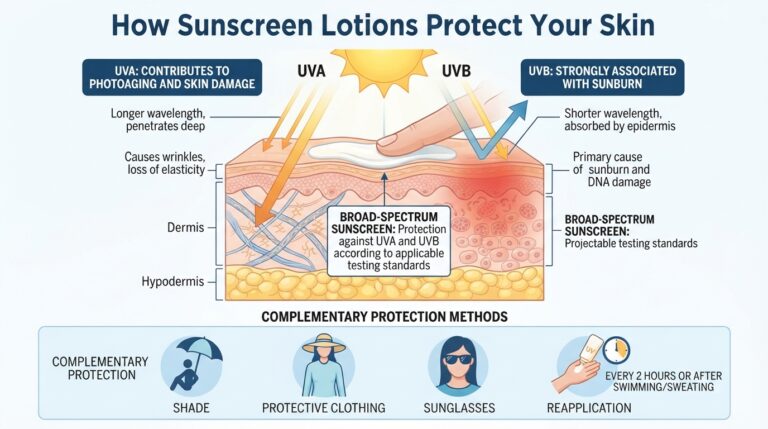
Sunscreen is designed to protect your skin from the sun’s ultraviolet (UV) radiation, which can lead to skin damage and increase the risk of skin cancer. There are two primary types of UV radiation that sunscreens protect against:
- UVA rays: These rays penetrate deep into the skin and are primarily responsible for premature aging and wrinkles.
- UVB rays: These rays are associated with sunburn and are the primary cause of skin cancer.
To ensure you’re adequately protected, it’s essential to choose a broad-spectrum sunscreen with an appropriate sun protection factor (SPF) rating. The SPF indicates the level of protection against UVB rays, with higher numbers providing greater protection.
How Long Does Sunscreen Last Before Reapplying?
The general rule of thumb is to reapply sunscreen every two hours, but several factors can influence this timing:
1. Water Resistance
If you’re swimming or sweating, water-resistant sunscreens are essential. These products are designed to maintain their SPF protection for a certain period, typically:
| Water Resistance Level | Duration Before Reapplication |
|---|---|
| Water-Resistant (40 minutes) | Reapply every 40 minutes of swimming or sweating. |
| Water-Resistant (80 minutes) | Reapply every 80 minutes of swimming or sweating. |
Always check the label for specific instructions on reapplication, as different formulations will have varying levels of water resistance.
2. Skin Type and Conditions
Your skin type can also affect how quickly sunscreen wears off. Individuals with oily skin may find that sunscreen breaks down faster, while those with dry skin might need to reapply less frequently. Additionally, factors like:
- Skin sensitivity
- Existing skin conditions (e.g., eczema, psoriasis)
- Environmental factors (e.g., humidity)
can all impact how long sunscreen lasts on your skin.
3. Amount of Sunscreen Used
Using the right amount of sunscreen is crucial for achieving the full SPF protection. The American Academy of Dermatology recommends using:
- One ounce (about a shot glass full) for full body coverage.
- About a nickel-sized amount for your face.
Applying too little will reduce the effectiveness, meaning you may need to reapply more frequently to maintain protection.
Best Practices for Sunscreen Application
To maximize the effectiveness of your sunscreen, follow these best practices:
1. Apply Generously and Evenly
Ensure you cover all exposed areas of your skin, including often-missed spots like:
- Behind the ears
- Back of the neck
- Top of the feet
- Scalp (if hair is thinning or if you’re bald)
2. Apply Before Sun Exposure
Apply sunscreen at least 15 minutes before going outdoors to allow it to absorb into your skin and provide optimal protection.
3. Don’t Forget to Reapply
Set a timer on your phone or use a watch to remind you to reapply every two hours, or more often if you’re swimming or sweating. Remember, even if it’s cloudy, UV rays can penetrate through clouds, so sunscreen is necessary year-round.
4. Choose the Right Formula
There are various types of sunscreens available, including lotions, sprays, gels, and sticks. Choose one that suits your skin type and preferences. For example:
- Lotions are great for dry skin.
- Sprays are convenient for quick application.
- Gels are lightweight and often preferred for oily skin.
Understanding SPF and Its Importance
SPF is a critical factor in selecting a sunscreen. However, many people misconstrue its meaning. Here’s a breakdown:
- SPF 15: Blocks approximately 93% of UVB rays.
- SPF 30: Blocks about 97% of UVB rays.
- SPF 50: Blocks about 98% of UVB rays.
Higher SPF numbers may seem better, but the difference in protection is marginal. Always opt for a broad-spectrum sunscreen for comprehensive protection against both UVA and UVB rays.
Common Misconceptions About Sunscreen
Despite the wealth of information available, several misconceptions about sunscreen persist. Let’s debunk some of the most common myths:
1. “I don’t need sunscreen if it’s cloudy.”
As mentioned earlier, UV rays can penetrate clouds, making it necessary to wear sunscreen even on overcast days.
2. “I’ll get enough Vitamin D from the sun.”
While sunlight is a source of Vitamin D, excessive sun exposure can lead to skin damage. You can obtain Vitamin D through diet and supplements without risking your skin’s health.
3. “Sunscreen is only for the beach.”
Sun exposure occurs year-round, whether you are at the beach or running errands. Daily sunscreen use is essential for protecting your skin.
Conclusion
Understanding how long sunscreen lasts before reapplying is vital for effective sun protection. By considering factors such as water resistance, skin type, and the amount of sunscreen applied, you can ensure that your skin remains safe from harmful UV rays. Remember to apply generously, reapply every two hours, and choose a broad-spectrum sunscreen with an appropriate SPF. With these practices in place, you can enjoy the sun while keeping your skin healthy and protected.