
When it comes to sun protection, one of the most common questions is, “How long does sunscreen last?” This is crucial for ensuring you remain protected during outdoor activities. Understanding the longevity of sunscreen is essential for maintaining effective protection against harmful UV rays.
The Basics of Sunscreen Longevity
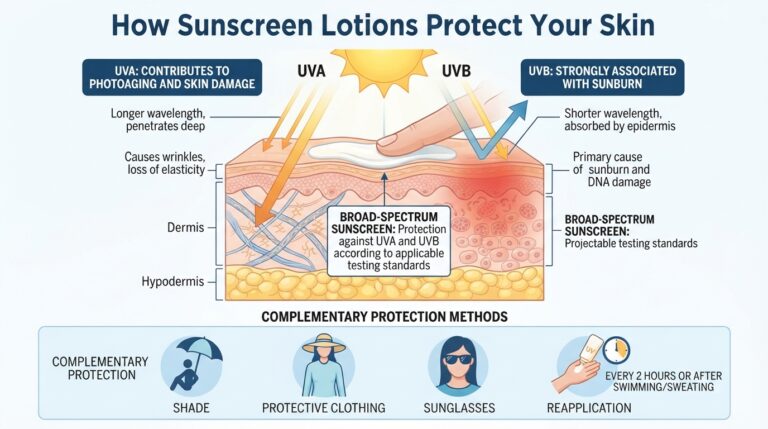
Sunscreen is designed to shield your skin from the sun’s harmful ultraviolet (UV) rays, which can lead to skin damage and increase the risk of skin cancer. However, the effectiveness of sunscreen diminishes over time, and several factors influence how long it lasts on your skin.
Understanding SPF and Its Importance
SPF, or Sun Protection Factor, indicates the level of protection a sunscreen offers against UVB rays. Here’s a simple breakdown:
- SPF 15: Blocks approximately 93% of UVB rays.
- SPF 30: Blocks about 97% of UVB rays.
- SPF 50: Blocks around 98% of UVB rays.
While higher SPF values provide slightly better protection, no sunscreen can block 100% of UV rays. Thus, understanding how long sunscreen lasts is vital for effective sun protection.
Factors Affecting Sunscreen Longevity
Several factors can influence how long your sunscreen remains effective:
- Type of Sunscreen: Physical (mineral) sunscreens tend to last longer than chemical ones.
- Application Amount: Insufficient application can reduce effectiveness.
- Water Resistance: Water-resistant sunscreens offer protection for a limited time when swimming or sweating.
- Environmental Factors: Heat, humidity, and direct sunlight can degrade sunscreen faster.
- Skin Type: Oily or sweaty skin may affect how well sunscreen adheres.
How Long Does Sunscreen Last on the Skin?
The general guideline for how long sunscreen lasts on the skin is about two hours. However, this can vary based on several factors:
| Activity | Recommended Reapplication Time |
|---|---|
| Swimming | Every 40 to 80 minutes (depending on water resistance) |
| Excessive Sweating | Every 1 to 2 hours |
| Outdoor Activities | Every 2 hours |
| Daily Use (non-activity) | Every 4 hours |
These recommendations are crucial for maintaining optimal sun protection during various activities.
Choosing the Right Sunscreen
With the plethora of options available, selecting the right sunscreen can feel overwhelming. Here are some essential tips to guide you:
- Broad Spectrum: Look for sunscreens labeled as “broad spectrum” to protect against both UVA and UVB rays.
- SPF 30 or Higher: Choose a sunscreen with at least SPF 30 for effective protection.
- Water Resistant: If you plan on swimming or sweating, opt for water-resistant formulas.
- Skin Type Considerations: Choose formulations that suit your skin type, such as oil-free for oily skin or moisturizing for dry skin.
How to Apply Sunscreen Effectively
Applying sunscreen correctly is just as important as choosing the right product. Follow these steps for optimal application:
- Apply sunscreen generously to all exposed skin areas.
- Use about an ounce (a shot glass full) for full body coverage.
- Apply 15 to 30 minutes before sun exposure to allow for absorption.
- Reapply every two hours, or more frequently if swimming or sweating.
- Don’t forget areas like ears, feet, and the back of your neck.
Signs That Sunscreen Has Expired
Like many skincare products, sunscreen does have an expiration date. Here are some signs that your sunscreen may no longer be effective:
- Expiration Date: Check the label; most sunscreens are effective for up to three years.
- Changes in Consistency: If the sunscreen has separated or feels different when applied, it’s time to replace it.
- Unpleasant Odor: If it smells off or different from when you first purchased it, discard it.
Storage Tips for Prolonging Sunscreen Life
Proper storage can help extend the life of your sunscreen. Consider the following tips:
- Store sunscreen in a cool, dry place away from direct sunlight.
- Keep it in its original container to protect it from contamination.
- Avoid leaving it in hot environments, like a car, which can degrade the formula.
Common Myths About Sunscreen
There are numerous misconceptions about sunscreen that can lead to improper usage. Here are some common myths debunked:
- Myth: You don’t need sunscreen on cloudy days. Fact: Up to 80% of UV rays can penetrate clouds, so protection is necessary.
- Myth: Sunscreen is only needed at the beach. Fact: UV rays can damage your skin during everyday activities, not just at the beach.
- Myth: You only need to apply sunscreen once a day. Fact: Reapplication is crucial, especially after swimming or sweating.
Conclusion: Maximizing Your Sunscreen Protection
Understanding how long sunscreen lasts is vital for anyone looking to protect their skin from sun damage. By choosing the right product, applying it correctly, and reapplying at appropriate intervals, you can significantly reduce your risk of skin damage and enjoy your time outdoors. Remember, the sun is a powerful force, and taking the time to protect your skin is always worth it. So, the next time you ask, “How long does sunscreen last?” remember that it’s all about how and when you apply it.