
When it comes to skincare, understanding how long sunscreen lasts on your face is crucial for maintaining healthy skin and preventing sun damage. Sunscreen is an essential part of any skincare routine, but its effectiveness is not endless. Knowing how to apply it correctly and when to reapply can make a significant difference in your skin’s health over time.
The Basics of Sunscreen Longevity
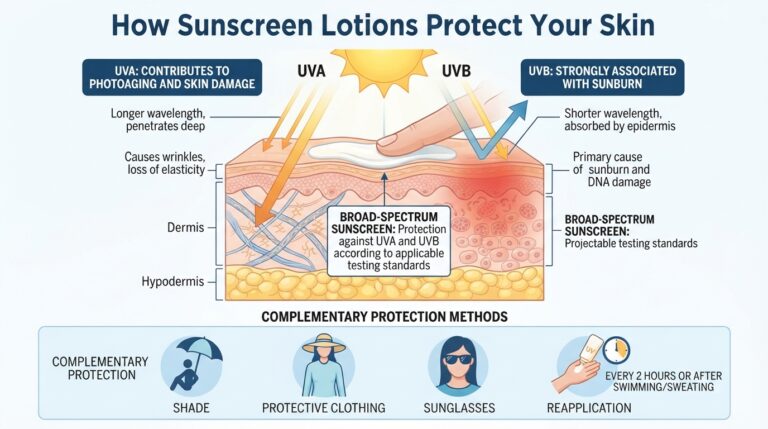
Sunscreen is designed to protect your skin from the harmful effects of ultraviolet (UV) rays. However, multiple factors influence how long it remains effective after application. Generally, most sunscreens last about two hours after being applied, but this can vary based on several conditions. Below, we will explore these factors more closely.
Understanding SPF and Its Importance
SPF, or Sun Protection Factor, indicates the level of protection a sunscreen provides against UVB rays, which are primarily responsible for sunburn and skin cancer. For example, an SPF of 30 means it would take 30 times longer for your skin to burn than if you were not wearing sunscreen. However, SPF does not directly correlate with the duration sunscreen lasts on your face. Here’s a quick breakdown:
- SPF 15: Blocks approximately 93% of UVB rays.
- SPF 30: Blocks about 97% of UVB rays.
- SPF 50: Blocks roughly 98% of UVB rays.
While higher SPF offers slightly more protection, it doesn’t mean you can apply it less frequently. Many people mistakenly believe that a higher SPF allows them to stay in the sun longer without reapplication, which is not the case.
Factors Affecting Sunscreen Longevity
Several factors can affect how long sunscreen lasts on your face, including:
1. Skin Type
Your skin type can greatly influence how well sunscreen adheres and lasts throughout the day. Oily skin may cause sunscreen to break down faster, while dry skin can absorb it, leading to uneven coverage. Here are some skin types and their characteristics:
- Oily Skin: May require gel or oil-free formulas.
- Dry Skin: Cream-based sunscreens provide extra hydration.
- Combination Skin: Look for a balanced formula that works for both areas.
2. Application Method
How you apply sunscreen can impact its effectiveness. It’s essential to apply a generous amount—approximately one ounce for full-body coverage, including your face. Here are some tips for proper application:
- Apply sunscreen to dry skin before any makeup or moisturizers.
- Use your fingertips to ensure an even layer across your face.
- Don’t forget often-missed areas like your ears, neck, and hairline.
3. Water and Sweat Exposure
Water activities or sweating can significantly diminish the effectiveness of sunscreen. Many products are labeled as “water-resistant,” but this doesn’t mean they are waterproof. Generally, water-resistant sunscreens last for about 40 to 80 minutes while swimming or sweating. Therefore, reapplication is critical in these situations.
4. Time of Day and UV Intensity
The sun is strongest between 10 a.m. and 4 p.m. During these hours, UV rays are more intense, and sunscreen will break down faster. If you are outdoors during these peak hours, consider reapplying your sunscreen more frequently, even if you are using a higher SPF.
How to Properly Reapply Sunscreen
To ensure maximum protection from the sun, it’s vital to reapply your sunscreen correctly. Here’s a simple guide:
- Choose a broad-spectrum sunscreen with at least SPF 30.
- Apply a generous amount to your face and neck, ensuring full coverage.
- Reapply every two hours, or immediately after swimming or sweating.
- For added convenience, consider using a powder sunscreen or a spray for easy reapplication over makeup.
Best Practices for Sunscreen Use
To maximize the effectiveness of your sunscreen, consider adopting these best practices:
- Apply sunscreen 15-30 minutes before sun exposure to allow it to absorb into the skin.
- Use a separate sunscreen for your face, as facial formulas are often lighter and designed for sensitive skin.
- Store sunscreen in a cool, dry place to maintain its efficacy.
Choosing the Right Sunscreen for Your Face
With so many options available, picking the right sunscreen for your face can be overwhelming. Here’s a quick guide to help you choose:
| Skin Type | Recommended Sunscreen Type |
|---|---|
| Oily | Gel-based or oil-free sunscreen |
| Dry | Cream-based or hydrating sunscreen |
| Sensitive | Mineral-based sunscreen (zinc oxide or titanium dioxide) |
| Combination | Lightweight lotion or hybrid formulas |
Debunking Common Sunscreen Myths
There are many myths surrounding sunscreen and its use. Here are a few common misconceptions:
- Myth: I don’t need sunscreen on cloudy days.
Fact: UV rays can penetrate clouds, so wearing sunscreen is essential regardless of the weather. - Myth: I can skip sunscreen if I wear makeup with SPF.
Fact: Makeup rarely provides adequate coverage; always use a dedicated sunscreen underneath. - Myth: Sunscreen lasts all day.
Fact: Sunscreen should be reapplied every two hours, especially after swimming or sweating.
Conclusion
Understanding how long sunscreen lasts on your face is key to effective sun protection. By considering factors such as skin type, application method, and environmental conditions, you can ensure that you’re adequately protected from harmful UV rays. Remember, reapplication is crucial to maintain the effectiveness of your sunscreen and keep your skin healthy. Make sunscreen a non-negotiable part of your daily routine, and enjoy the sun safely!