
As the sun shines brighter and longer, applying sunscreen becomes a vital part of our daily skincare routine. However, knowing how to remove sunscreen from your face is equally important to maintain healthy skin. In this guide, we will explore effective methods, products, and tips to ensure you thoroughly cleanse your skin without causing irritation.
The Importance of Proper Sunscreen Removal
Before diving into the methods of removing sunscreen, it’s essential to understand why proper removal is crucial. Sunscreen can clog pores, lead to breakouts, and hinder your skin’s natural regeneration process if not removed correctly. Here are a few points to consider:
- Prevents Breakouts: Leaving sunscreen residue can lead to clogged pores, resulting in acne.
- Enhances Absorption: Proper cleansing prepares your skin to absorb other skincare products more effectively.
- Maintains Skin Health: Regularly removing all skincare products can help prevent irritation and dryness.
Understanding Different Types of Sunscreens
It’s essential to recognize that not all sunscreens are created equal. Understanding the different types can help you choose the best removal method.
Physical vs. Chemical Sunscreens
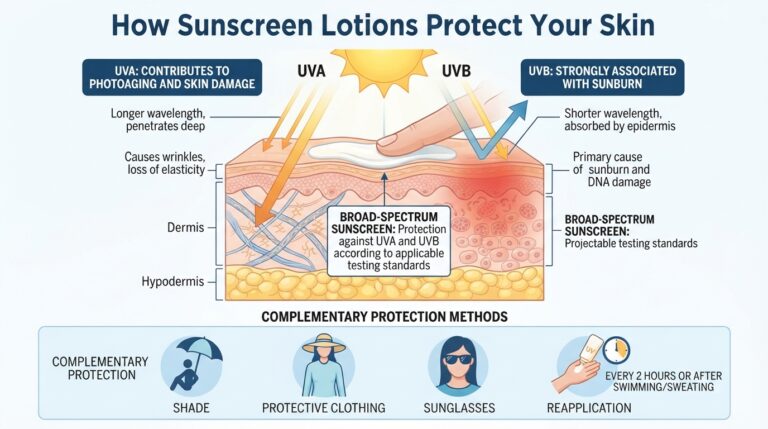
Physical (or mineral) sunscreens contain active mineral ingredients, such as zinc oxide or titanium dioxide, that sit on top of the skin and reflect UV rays. Chemical sunscreens, on the other hand, absorb UV radiation and convert it into heat. Here’s how they differ in terms of removal:
| Type | Characteristics | Removal Method |
|---|---|---|
| Physical Sunscreen | Contains minerals; sits on the skin’s surface | Oil-based cleansers or makeup removers |
| Chemical Sunscreen | Absorbs UV rays; often lightweight | Gel or foaming cleansers |
Effective Methods to Remove Sunscreen from Your Face
Now that we’ve established the importance of removing sunscreen and the differences between types, let’s discuss practical methods to effectively cleanse your face.
1. Use an Oil-Based Cleanser
Oil-based cleansers are incredibly effective at breaking down both physical and chemical sunscreens. Here’s how to use one:
- Apply a generous amount of the cleanser to dry skin.
- Gently massage the oil into your skin for about 30 seconds to a minute.
- Emulsify with a little water, then rinse thoroughly.
Oil-based cleansers not only remove sunscreen but also help in dissolving makeup and impurities, leaving your skin clean and hydrated.
2. Micellar Water
Micellar water is another excellent option for removing sunscreen, especially for those with sensitive skin. It contains tiny oil molecules that attract dirt and makeup. Here’s how to use it:
- Soak a cotton pad with micellar water.
- Gently swipe the pad across your face, focusing on areas with sunscreen.
- Rinse your face with water after cleansing.
3. Foaming or Gel Cleansers
If you prefer a lighter feel on your skin, foaming or gel cleansers are great choices, especially for oily or combination skin. Follow these steps:
- Wet your face with warm water.
- Apply a small amount of the cleanser and lather it up.
- Massage it into your skin for 30 seconds, then rinse thoroughly.
These types of cleansers work well for breaking down chemical sunscreens, ensuring your skin is left feeling fresh.
4. Double Cleansing Technique
For those who wear makeup or heavy sunscreen, the double cleansing method is highly recommended. This technique involves using two different types of cleansers:
- Start with an oil-based cleanser to remove sunscreen and makeup.
- Follow up with a foam or gel cleanser to ensure all residues are washed away.
This method is particularly effective because it ensures thorough cleansing without stripping the skin of its natural oils.
Natural Alternatives for Sunscreen Removal
If you prefer natural remedies, several household items can help remove sunscreen effectively:
- Coconut Oil: Known for its moisturizing properties, coconut oil can dissolve sunscreen and impurities.
- Aloe Vera Gel: Gentle on the skin, aloe vera can help cleanse while providing hydration.
- Honey: With its antibacterial properties, honey can effectively remove sunscreen while nourishing the skin.
Tips for Maintaining Healthy Skin Post-Cleansing
After successfully removing sunscreen, it’s crucial to care for your skin. Here are some helpful tips:
- Hydrate: Apply a hydrating toner or serum to replenish moisture.
- Moisturize: Use a lightweight moisturizer to keep your skin barrier intact.
- Exfoliate: Consider exfoliating 2-3 times a week to remove dead skin cells and prevent buildup.
Common Mistakes to Avoid
While removing sunscreen may seem straightforward, several common mistakes can hinder your efforts:
- Not Using Enough Product: Using too little cleanser can lead to ineffective removal.
- Forgetting to Rinse: Always rinse thoroughly to avoid residue buildup.
- Skipping Moisturizer: Following up with a moisturizer is vital to maintain hydration.
Conclusion
Understanding how to remove sunscreen from your face is essential for maintaining healthy skin. By using the right products and techniques, you can effectively cleanse your skin without causing irritation. Whether you opt for oil-based cleansers, micellar water, or natural alternatives, the key is consistency and proper care. Remember to follow up with hydration to keep your skin looking and feeling its best. With these tips, you’ll be well on your way to achieving a clean, radiant complexion.