
When it comes to protecting your skin from harmful UV rays, many people often wonder, “Is it okay to use expired sunscreen?” This question is particularly relevant as summer approaches, and beach trips or outdoor activities become more frequent. Understanding the implications of using sunscreen past its expiration date is crucial for maintaining skin health and safety.
The Importance of Sunscreen in Skin Protection
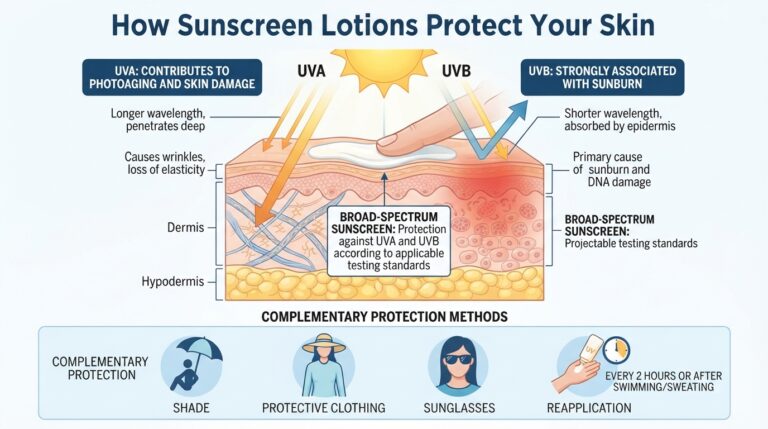
Sunscreen plays a vital role in protecting the skin from the damaging effects of ultraviolet (UV) radiation. It helps prevent sunburn, skin aging, and reduces the risk of skin cancer. With the rising awareness of skin protection, the market for sunscreens has exploded, offering a variety of formulations and SPF levels to cater to different needs.
What Happens When Sunscreen Expires?
Like most products, sunscreen has a shelf life. An expired sunscreen may not provide the level of protection advertised on its label. This is due to several factors:
- Degradation of Active Ingredients: Sunscreens contain active ingredients that can break down over time. For example, chemical filters like avobenzone and octisalate may lose their efficacy.
- Changes in Texture and Performance: Expired sunscreen may become thick, clumpy, or separate, indicating it may not spread evenly on the skin.
- Loss of SPF Protection: The Sun Protection Factor (SPF) rating indicates how effectively a sunscreen protects against UVB rays. Once expired, the SPF may be significantly lower than indicated.
Understanding Expiration Dates
Most sunscreens come with an expiration date printed on the bottle. This date is determined based on stability testing conducted by the manufacturer. However, if you don’t see a date, a general rule of thumb is that sunscreen is effective for three years from the date of manufacture. After that, its effectiveness may diminish.
Risks of Using Expired Sunscreen
Using expired sunscreen poses several risks. Here are some of the key concerns:
- Increased Risk of Sunburn: If the sunscreen has lost its effectiveness, your skin is more vulnerable to sunburn, which can lead to painful skin and long-term damage.
- Higher Risk of Skin Cancer: Regular use of effective sunscreen is essential for reducing skin cancer risks. Using expired products can negate this protective benefit.
- Allergic Reactions: Degraded ingredients in expired sunscreens might cause skin irritation or allergic reactions, leading to redness, itching, or rashes.
Signs That Your Sunscreen Has Expired
Be vigilant when checking your sunscreen for signs of expiration. Here are some indicators:
- Unusual smell or changes in scent.
- Changes in color or consistency.
- Separation of ingredients (e.g., oil floating on top).
- Packaging damage or leakage.
How to Properly Store Sunscreen
Proper storage can extend the life of your sunscreen. Here are some tips:
- Keep it Cool: Store sunscreen in a cool, dry place away from direct sunlight, which can degrade the ingredients faster.
- Avoid Bathrooms: Humidity and temperature fluctuations can affect sunscreen performance, so avoid leaving it in the bathroom.
- Check Expiration Dates Regularly: Make it a habit to check the expiration date before each use.
Choosing the Right Sunscreen
When selecting a new sunscreen, consider the following factors:
- SPF Rating: Choose a broad-spectrum sunscreen with an SPF of at least 30 for adequate protection.
- Water Resistance: If you plan to swim or sweat, look for water-resistant formulations.
- Skin Type: Select a sunscreen that suits your skin type (oily, dry, sensitive) to avoid irritation.
Types of Sunscreens
Sunscreens are available in various formulations. Here are the main types:
| Type | Description |
|---|---|
| Creams | Thicker consistency, ideal for dry skin and face. |
| Gels | Lightweight and non-greasy, great for oily skin. |
| Sprays | Easy application, but ensure even coverage. |
| Sticks | Convenient for targeted application on sensitive areas. |
Alternatives to Sunscreen
While sunscreen is essential, there are additional protective measures you can take:
- Protective Clothing: Wear long-sleeve shirts, hats, and sunglasses to shield your skin from UV rays.
- Seek Shade: Whenever possible, stay in shaded areas, especially during peak sun hours (10 a.m. to 4 p.m.).
- Use UV-Blocking Umbrellas: Consider using umbrellas designed to block UV rays when outdoors.
How to Dispose of Expired Sunscreen
When it’s time to part with expired sunscreen, do so responsibly:
- Check local waste disposal guidelines for proper disposal methods.
- If you have leftover product in a tube or bottle, consider using it for non-skin applications, like protecting painted surfaces from UV damage.
- Avoid pouring it down drains, as chemicals can contaminate waterways.
Conclusion
In conclusion, while it may be tempting to use expired sunscreen, it is not advisable. The risks associated with using ineffective sunscreen far outweigh any potential benefits. Always check expiration dates, store your sunscreen properly, and choose high-quality products that suit your skin’s needs. By doing so, you can ensure that your skin remains protected from harmful UV rays, keeping it healthy and vibrant for years to come.