
With the increasing awareness of skin health and the dangers of UV exposure, many people are asking, “Is Neutrogena sunscreen safe?” In this article, we will explore the safety of Neutrogena sunscreens, their ingredients, and how they compare to other options in the market.
Understanding Sunscreen Safety
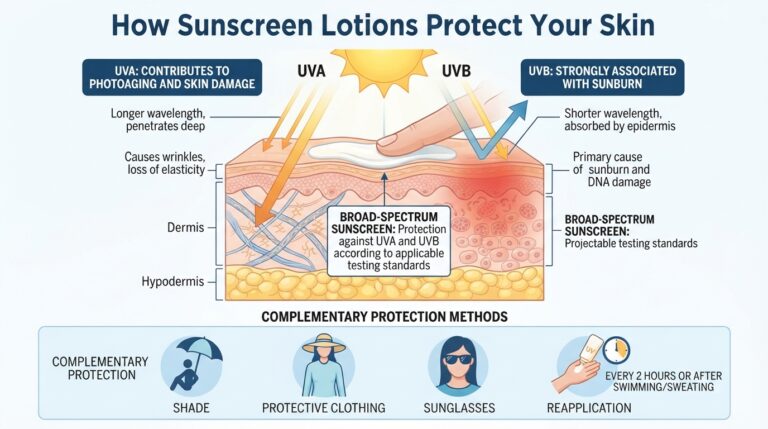
Before diving into the specifics of Neutrogena sunscreen, it’s essential to understand what makes a sunscreen safe and effective. Sunscreens are designed to protect the skin from harmful ultraviolet (UV) rays, which can cause sunburn, premature aging, and skin cancer.
What to Look for in a Safe Sunscreen
When evaluating whether a sunscreen is safe, consider the following factors:
- Broad-Spectrum Protection: Look for sunscreens that offer protection against both UVA and UVB rays.
- SPF Rating: Choose a sunscreen with an SPF of 30 or higher for adequate protection.
- Ingredients: Check for potential allergens or harmful chemicals.
- Water Resistance: If you plan to swim or sweat, opt for water-resistant formulations.
Neutrogena Sunscreen Overview
Neutrogena is a well-known skincare brand that offers a range of sunscreens, each formulated to cater to different skin types and needs. Their products are widely recommended by dermatologists, which is a positive indicator of their safety and effectiveness.
Popular Neutrogena Sunscreen Products
Here are some of the most popular Neutrogena sunscreen products:
- Neutrogena Ultra Sheer Dry-Touch Sunscreen: Known for its lightweight feel and high SPF protection.
- Neutrogena Hydro Boost Water Gel Lotion: A hydrating sunscreen that combines skin care with sun protection.
- Neutrogena Beach Defense Sunscreen: Designed for outdoor activities, providing robust water resistance.
Ingredients in Neutrogena Sunscreens
To determine if Neutrogena sunscreen is safe, we must examine its ingredients. Sunscreens generally contain either chemical or physical (mineral) UV filters.
Chemical Filters
Neutrogena sunscreens often contain the following chemical filters:
- Avobenzone: Effective against UVA rays but can degrade in sunlight.
- Octisalate: Helps stabilize other sunscreen ingredients.
- Octocrylene: Provides UV protection and improves the texture of the sunscreen.
- Oxybenzone: Effective but has raised concerns about hormonal disruption and environmental impact.
Physical Filters
Some Neutrogena products also include physical filters, such as:
- Zinc Oxide: Offers broad-spectrum protection and is less likely to irritate sensitive skin.
- Titanium Dioxide: Another effective physical blocker for UV rays.
Is Neutrogena Sunscreen Safe for Sensitive Skin?
Many individuals with sensitive skin worry about the safety of various skincare products, including sunscreens. Neutrogena offers formulations specifically designed for sensitive skin, often free from fragrance and harsh chemicals.
Dermatologist Recommendations
Numerous dermatologists recommend Neutrogena sunscreens, particularly for sensitive skin types. The brand’s products are frequently tested for irritation and allergy potential, which adds to their credibility.
Environmental Impact of Neutrogena Sunscreens
Another aspect to consider when asking, “Is Neutrogena sunscreen safe?” is the environmental impact. Certain ingredients, like oxybenzone and octinoxate, have been linked to coral reef damage. In response to this concern, Neutrogena has begun to develop more eco-friendly formulations.
Eco-Friendly Alternatives
For those who are concerned about environmental sustainability, consider these alternatives:
- Choose Neutrogena products labeled as “reef-safe.”
- Opt for mineral-based sunscreens that do not contain harmful chemicals.
How to Properly Use Neutrogena Sunscreen
Even the best sunscreen can be ineffective if not applied correctly. To maximize the benefits of Neutrogena sunscreen, follow these application tips:
- Apply Generously: Use about one ounce (a shot glass full) for full body coverage.
- Reapply Regularly: Reapply every two hours, or more often if swimming or sweating.
- Use on Clean Skin: Apply sunscreen on clean, dry skin before sun exposure.
- Don’t Forget Key Areas: Ensure to cover often-missed areas like the ears, back of the neck, and tops of feet.
Consumer Reviews and Feedback
Consumer feedback is a valuable indicator of product safety and efficacy. Neutrogena sunscreens generally receive positive reviews, particularly for their lightweight feel and effectiveness. However, some users express concerns regarding breakouts and sensitivity to certain chemical ingredients.
Common Complaints
Some of the common complaints about Neutrogena sunscreens include:
- Feeling greasy or heavy on the skin.
- Causing acne in those with oily or acne-prone skin.
- Reactions to specific chemical ingredients, particularly in sensitive individuals.
Final Thoughts on Neutrogena Sunscreen Safety
So, is Neutrogena sunscreen safe? The answer largely depends on individual skin types and preferences. For the majority of users, Neutrogena sunscreens offer solid protection while being backed by dermatological research. However, it’s crucial to select the right product based on your skin type and any specific concerns.
When considering any skincare product, including sunscreen, always perform a patch test if you have sensitive skin. Additionally, staying informed about the latest research and recommendations will help you make the best choices for your skin health.
Conclusion
In summary, Neutrogena sunscreens are widely regarded as safe and effective options for sun protection. Their range of products caters to various skin types, including sensitive skin, and they prioritize both safety and efficacy in their formulations. By understanding the ingredients and how to use these products properly, you can enjoy the outdoors while protecting your skin.