
When it comes to skincare, one of the most frequently asked questions is, “Should I wear sunscreen at night?” This question reflects a growing awareness of the importance of sun protection in our daily routines. While sunscreen is crucial during the day to shield our skin from harmful UV rays, the necessity of wearing it at night often puzzles many. In this article, we will explore the reasons behind sunscreen application, its benefits, and whether it’s necessary to include it in your nighttime skincare regimen.
Understanding Sunscreen and Its Purpose
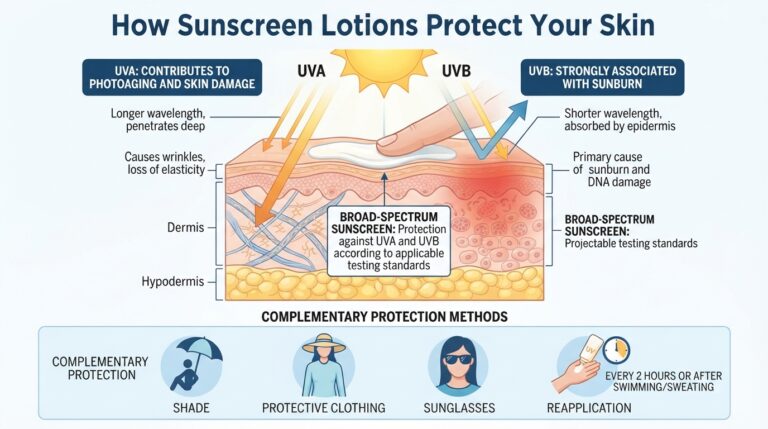
To answer the question, “Should I wear sunscreen at night?” it’s essential to understand what sunscreen does and why it is used. Sunscreen is formulated to protect the skin from ultraviolet (UV) radiation, which is known to cause premature aging, sunburn, and skin cancer. There are two main types of UV rays:
- UVA Rays: These rays penetrate the skin more deeply and are primarily responsible for skin aging and wrinkles.
- UVB Rays: These rays are the primary cause of sunburn and can contribute to skin cancer.
Sunscreen works by either absorbing, reflecting, or scattering these UV rays, thereby preventing them from penetrating the skin. With this understanding, let’s dive deeper into the reasons why sunscreen is crucial during the day and whether it holds the same importance at night.
Why You Need Sunscreen During the Day
Wearing sunscreen during the day is a vital part of any skincare routine. Here are several key reasons why:
- Protection Against UV Rays: Sunscreen provides a barrier that protects your skin from harmful UV rays, significantly reducing the risk of skin damage.
- Prevention of Premature Aging: Regular use of sunscreen can help prevent signs of aging, such as fine lines and wrinkles, by protecting the skin’s elasticity.
- Reduction of Skin Cancer Risk: Studies have shown that daily sunscreen application can lower the risk of developing skin cancer, particularly in high-risk individuals.
- Even Skin Tone: Sunscreen helps prevent sunspots and discoloration, promoting a more even complexion.
The Role of Sunscreen at Night
Now that we’ve established the importance of sunscreen during the day, let’s consider the nighttime scenario. Most people assume that sunscreen is not necessary after the sun sets. However, there are some factors to consider:
1. Artificial Light Exposure
Although natural UV rays are absent at night, artificial light sources, particularly blue light emitted by screens and fluorescent lights, have been shown to cause skin damage. Some studies suggest that blue light can contribute to skin aging and hyperpigmentation.
2. Skin Recovery and Repair
During the night, your skin undergoes a natural repair process. While this is predominantly focused on healing and rejuvenation, exposure to harmful rays (even from artificial sources) can hinder this process. Although wearing sunscreen at night may not be essential, it can provide a protective layer if you’re exposed to blue light for extended periods.
3. Skin Care Ingredients Interaction
Many nighttime skincare products contain active ingredients like retinol, which can make the skin more sensitive to light. While these ingredients do not require sunscreen application at night, protecting your skin from any potential irritation is beneficial.
Who Should Consider Wearing Sunscreen at Night?
While the general consensus is that sunscreen is not a necessity at night, certain individuals may benefit from wearing it. Consider the following:
- Night Owls: If you often stay up late and are exposed to artificial light, wearing a light sunscreen can help protect your skin.
- Screen Addicts: If you spend hours on your phone, tablet, or computer, consider applying a sunscreen that protects against blue light.
- Those with Sensitive Skin: If your skin is sensitive to retinol or other active ingredients, a sunscreen layer can provide a barrier against potential irritation.
Alternatives to Nighttime Sunscreen
If you’re considering wearing sunscreen at night but want to avoid heavy formulations, there are alternatives that provide some protection without feeling greasy. Here are a few options:
- Moisturizers with SPF: Certain nighttime moisturizers contain SPF, offering lightweight protection while hydrating your skin.
- Blue Light Blocking Creams: Products specifically designed to combat the effects of blue light can be beneficial for nighttime use.
- Antioxidant Serums: Using serums rich in antioxidants can help protect your skin against environmental stressors, including artificial light.
Best Practices for Nighttime Skincare
Whether or not you choose to wear sunscreen at night, maintaining a solid nighttime skincare routine is essential for healthy skin. Here are some best practices to consider:
- Cleanse Thoroughly: Always remove makeup and cleanse your skin to prevent clogged pores and breakouts.
- Use Hydrating Products: Apply serums and moisturizers that contain ingredients like hyaluronic acid, which help retain moisture.
- Incorporate Active Ingredients Wisely: If you use retinol or other active ingredients, introduce them gradually to prevent irritation.
- Consider Your Environment: If you work late or are often in front of screens, consider protective measures like wearing sunscreen or using blue light-blocking products.
Conclusion: Should You Wear Sunscreen at Night?
So, should you wear sunscreen at night? The short answer is that it is generally not necessary for most people. However, those exposed to artificial light or who have specific skin concerns might benefit from a light layer of sunscreen or protective products. Ultimately, the best approach is to tailor your skincare routine to your individual needs and lifestyle. Prioritize regular daytime sunscreen application, and consider nighttime protection based on your unique situation and concerns.
In summary, while sunscreen is a must during the day, its role at night is more nuanced. By understanding your skin’s needs and the factors at play, you can make informed decisions for a healthier, more radiant complexion.