
In the world of skincare, one question that frequently arises is, “Should you apply sunscreen before or after moisturizer?” This is a crucial aspect of any daily skincare routine, especially for those who prioritize skin health and protection. Understanding the correct order of application can significantly impact the effectiveness of both products.
The Importance of Sunscreen
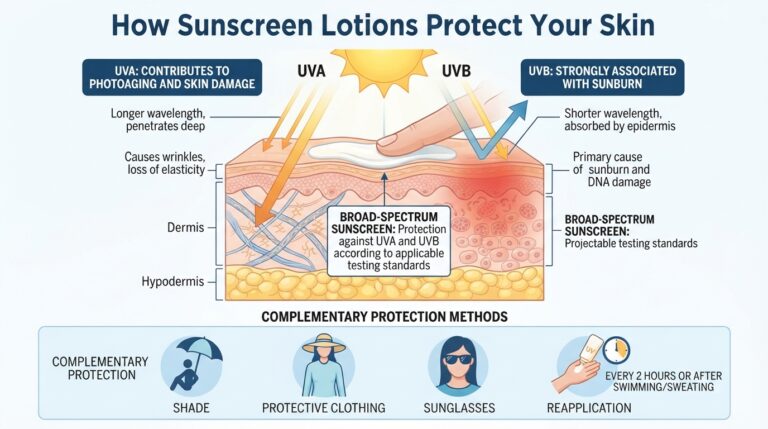
Sunscreen is an essential part of any skincare regimen, providing protection against harmful UV rays that can lead to skin damage, premature aging, and even skin cancer. According to the Skin Cancer Foundation, regular use of sunscreen can reduce the risk of developing skin cancer by up to 50%. This makes it clear that incorporating sunscreen into your daily routine is not just a suggestion; it’s a necessity.
Types of Sunscreen
Before delving into the application order, it’s important to understand the types of sunscreen available:
- Chemical Sunscreens: These absorb UV radiation and convert it into heat, which is then released from the skin. They typically offer a lighter feel and are often easier to apply and blend.
- Physical (Mineral) Sunscreens: Containing active mineral ingredients like zinc oxide or titanium dioxide, these sit on the skin’s surface and reflect UV rays. They are often recommended for sensitive skin types.
The Role of Moisturizer
Moisturizers are vital for maintaining skin hydration and preventing dryness. They help to create a barrier that locks in moisture and can also contain beneficial ingredients such as antioxidants, vitamins, and peptides. A well-chosen moisturizer can enhance your skin’s health and appearance.
Types of Moisturizers
Moisturizers come in various formulations, including:
- Creams: Heavier formulations suitable for dry skin.
- Lotions: Lightweight and ideal for normal to oily skin.
- Gels: Water-based and perfect for oily or acne-prone skin.
Application Order: Sunscreen Before or After Moisturizer?
The general consensus among skincare experts is that sunscreen should be applied after moisturizer. Here’s why:
How Moisturizer Works
Moisturizers are designed to penetrate the skin and deliver hydration. When applied first, they can effectively hydrate the skin and create a smooth base. If sunscreen is applied before moisturizer, it can interfere with the absorption of the moisturizer, leading to less effective hydration.
The Science Behind It
Studies have shown that applying sunscreen after moisturizer allows for better absorption of both products. A study published in the Journal of the American Academy of Dermatology found that the layering of products can significantly influence their effectiveness. When sunscreen is applied on top, it can form a protective layer that shields the skin from UV exposure while still allowing moisture to penetrate.
Practical Steps for Application
Here’s a simple guide to help you apply your skincare products in the right order:
- Cleanse: Start with a clean face to remove dirt, oil, and any makeup.
- Tone (optional): If you use a toner, apply it after cleansing to balance your skin’s pH.
- Moisturize: Apply your chosen moisturizer. Ensure it is well absorbed before moving on to the next step.
- Sunscreen: Use a broad-spectrum sunscreen with at least SPF 30. Apply it generously to all exposed areas of skin.
Common Myths About Sunscreen and Moisturizer
Despite the wealth of information available, several myths persist regarding sunscreen and moisturizer. Let’s debunk a few:
Myth 1: You Don’t Need Sunscreen on Cloudy Days
Many people believe that UV rays cannot penetrate clouds. However, up to 80% of UV rays can reach your skin even on overcast days. Therefore, wearing sunscreen daily is crucial, regardless of the weather.
Myth 2: Makeup with SPF is Enough
While many cosmetics contain SPF, they often do not provide adequate coverage or protection. It’s essential to apply a dedicated sunscreen before makeup to ensure full protection.
Myth 3: SPF 100 is Twice as Effective as SPF 50
While SPF 100 does offer slightly more protection than SPF 50, the difference is marginal. SPF 50 blocks about 98% of UVB rays, while SPF 100 blocks about 99%. It’s more important to apply sunscreen correctly and reapply it every two hours.
Additional Tips for Effective Sunscreen Application
To maximize the effectiveness of your sunscreen, consider the following tips:
- Use Enough Product: Most adults need about one ounce (a shot glass full) of sunscreen to cover the entire body. For the face, a nickel-sized amount is recommended.
- Reapply Regularly: Sunscreen should be reapplied every two hours, or immediately after swimming or sweating.
- Choose the Right Formula: Select a sunscreen that suits your skin type. If you have oily skin, opt for a gel-based or non-comedogenic formula.
Conclusion: Prioritize Your Skin Health
Understanding whether to apply sunscreen before or after moisturizer is crucial for achieving optimal skin health. By applying moisturizer first, you allow your skin to hydrate properly, while sunscreen provides a protective barrier against harmful UV rays. Daily use of sunscreen can significantly reduce the risk of skin cancer and premature aging, making it an indispensable part of your skincare routine.
By following the guidelines outlined in this article, you can ensure that both your moisturizer and sunscreen work effectively together to protect and nourish your skin. Remember, your skin deserves the best care, and taking these small but impactful steps can lead to healthier, more radiant skin over time.