
In the realm of skincare, one question often arises: should you put sunscreen on before or after moisturizer? This query is essential for anyone looking to protect their skin from harmful UV rays while maintaining a healthy complexion. Understanding the correct order of application can significantly impact the effectiveness of both your moisturizer and sunscreen.
The Importance of Sunscreen
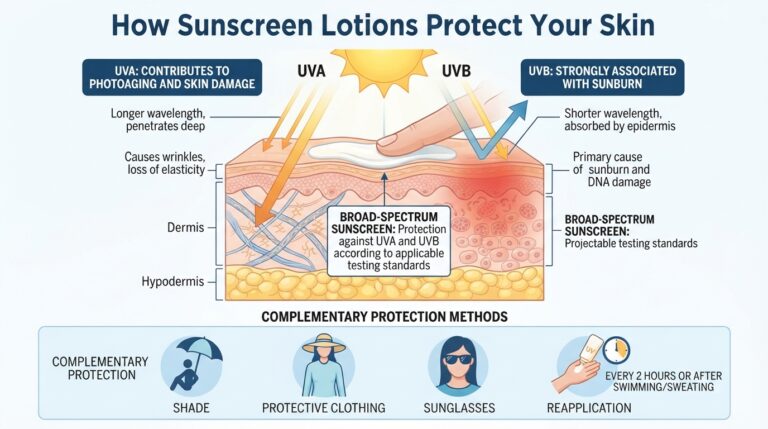
Sunscreen is a critical component of any skincare regimen. It serves as a barrier against the sun’s ultraviolet (UV) rays, which can lead to a host of skin issues, including:
- Premature aging
- Sunburn
- Skin cancer
- Hyperpigmentation
According to the Skin Cancer Foundation, regular use of sunscreen can reduce the risk of developing skin cancer by up to 50%. Therefore, understanding how and when to apply it is vital for skin health.
Understanding Moisturizers
Moisturizers are designed to hydrate and nourish the skin. They help maintain the skin’s barrier function, keeping it smooth, supple, and healthy. Ingredients commonly found in moisturizers include:
- Hyaluronic acid
- Glycerin
- Natural oils (like jojoba, coconut, or almond oil)
- Shea butter
Using a moisturizer can improve skin texture and hydration, making it a crucial step in your daily routine.
Optimal Application Order: Sunscreen and Moisturizer
The order in which you apply your skincare products can greatly affect their performance. The general consensus among dermatologists and skincare experts is to apply moisturizer first, followed by sunscreen. Here’s why:
1. Moisturizer Creates a Hydrating Base
Applying moisturizer first allows your skin to absorb essential hydrating ingredients. These components penetrate the skin more effectively when applied directly to clean skin, ensuring better hydration and overall skin health.
2. Sunscreen Needs to Form a Barrier
Sunscreen works best when it creates a barrier on the skin’s surface. If applied before moisturizer, the sunscreen can mix with the moisturizer, diluting its efficacy. By applying sunscreen last, you ensure that it remains intact and provides the maximum level of protection against UV rays.
Layering Skincare Products: The Right Technique
Now that you know the order, let’s discuss how to effectively layer your skincare products for optimal results. Here’s a step-by-step guide:
- Cleanse: Start with a gentle cleanser to remove dirt and impurities.
- Tone (if applicable): Use a toner to balance your skin’s pH and prep it for subsequent products.
- Moisturize: Apply your moisturizer evenly over your face and neck. Allow it to absorb for a couple of minutes.
- Sunscreen: Apply a broad-spectrum sunscreen generously. Make sure to cover all exposed areas, including the ears and neck.
Choosing the Right Sunscreen
Not all sunscreens are created equal. Here are some tips for selecting the right one for your skin type:
- Broad-Spectrum Protection: Look for a sunscreen that offers protection against both UVA and UVB rays.
- SPF Rating: Choose a sunscreen with at least SPF 30 for daily use.
- Skin Type Consideration: If you have oily skin, opt for a gel-based or matte-finish sunscreen. For dry skin, cream-based formulas are preferable.
- Water Resistance: If you’re swimming or sweating, select a water-resistant sunscreen to maintain protection.
Common Myths About Sunscreen and Moisturizer
There are several misconceptions regarding sunscreen and moisturizer that can lead to improper application. Here are a few myths debunked:
Myth 1: Sunscreen Isn’t Necessary on Cloudy Days
Even on overcast days, up to 80% of UV rays can penetrate the clouds. Therefore, sunscreen is crucial regardless of the weather.
Myth 2: Makeup with SPF is Enough
While makeup products with SPF provide some level of protection, they are typically not enough for adequate sun defense. Always apply a dedicated sunscreen underneath your makeup.
Myth 3: You Only Need Sunscreen in Summer
UV rays can damage your skin year-round, so daily sunscreen application is important, irrespective of the season.
Tips for Reapplication
Many people apply sunscreen in the morning but forget to reapply throughout the day. Here are some tips for effective reapplication:
- Use a Powder Sunscreen: These are easy to apply on top of makeup and provide a convenient option for reapplication.
- Setting Spray with SPF: Consider using a setting spray that contains SPF for a quick touch-up.
- Every Two Hours: Remember to reapply sunscreen every two hours, especially if you’re outdoors.
Conclusion
In conclusion, when it comes to the question of should you put sunscreen on before or after moisturizer, the answer is clear: always apply moisturizer first, followed by sunscreen. This order maximizes hydration while ensuring that your sunscreen can perform its vital protective role. By understanding the importance of proper skincare layering, you can protect your skin from the sun’s harmful effects while keeping it healthy and radiant.
Remember, skincare is not just about looking good; it’s about taking care of your skin for the long haul. Make sunscreen a non-negotiable part of your daily routine, and enjoy the benefits of healthy, protected skin.