
When the cold winds blow and snow blankets the ground, the last thing on many people’s minds is sunscreen. However, the question, “should you wear sunscreen in the winter?” is more relevant than you might think. The truth is, winter sun exposure can be just as harmful to your skin as the summer rays.
Understanding UV Rays
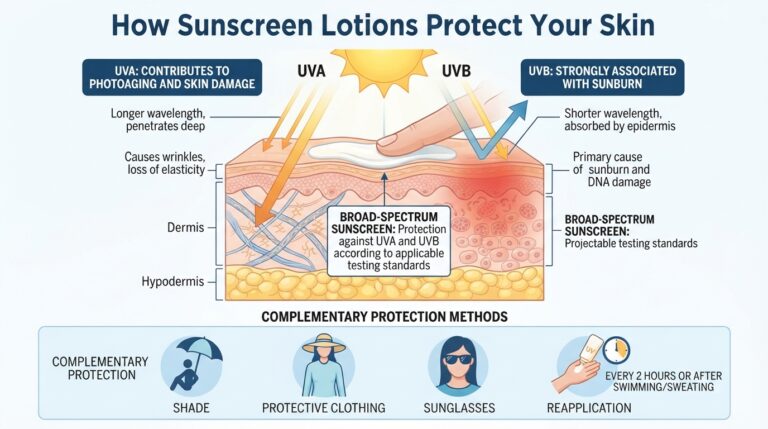
The sun emits two types of ultraviolet (UV) rays that can damage your skin: UVA and UVB. Understanding these rays is crucial when considering your winter skincare routine.
- UVA Rays: These rays penetrate the skin deeply and are primarily responsible for premature aging and skin cancers. They are present all year round, even on cloudy days.
- UVB Rays: These rays are responsible for sunburn and are more intense during the summer months. However, they can still cause damage in winter, especially at higher altitudes.
Why You Need Sunscreen in Winter
Many people mistakenly believe that sunscreen is only necessary during the hot summer months. Here are several reasons why wearing sunscreen in the winter is crucial:
1. Reflective Surfaces
Snow and ice reflect up to 80% of UV rays. This means that even if you’re not directly in the sun, you can still be exposed to harmful rays that bounce off these surfaces. If you enjoy winter sports like skiing or snowboarding, the risk is even higher.
2. High Altitude Exposure
If you’re hitting the slopes this winter, remember that UV radiation increases at higher altitudes. For every 1,000 feet above sea level, UV radiation increases by approximately 4-5%. This means that skiers and snowboarders are at an increased risk of UV exposure.
3. Cloud Cover Misconceptions
Many people assume that if it’s cloudy, sunscreen isn’t necessary. However, up to 80% of UV rays can penetrate clouds, making it crucial to apply sunscreen even on overcast days.
4. Skin Health and Aging
Consistent sun exposure, even in winter, can lead to skin damage over time. This includes wrinkles, fine lines, and uneven skin tone. Wearing sunscreen helps to mitigate these effects and maintain healthier skin.
How to Choose the Right Sunscreen for Winter
When selecting a sunscreen for winter use, consider the following factors:
1. Broad-Spectrum Protection
Look for a sunscreen labeled as “broad-spectrum,” which means it protects against both UVA and UVB rays.
2. SPF Rating
Choose a sunscreen with at least SPF 30. Higher SPF ratings offer additional protection, especially if you spend extended periods outdoors.
3. Water Resistance
If you plan to partake in activities that may cause sweating or exposure to water, opt for a water-resistant formula. This will ensure that your protection lasts longer.
4. Skin Type Considerations
Consider your skin type when choosing a sunscreen. If you have oily skin, a lightweight gel or spray might be best, while those with dry skin may prefer a cream or lotion.
Application Tips for Winter Sunscreen
Applying sunscreen correctly is just as important as choosing the right product. Here are some tips to ensure you’re fully protected:
1. Apply Generously
Use about a nickel-sized amount for your face and a shot glass-sized amount for your body. Don’t forget areas like your ears, neck, and the back of your hands.
2. Reapply Regularly
Reapply every two hours, or more often if you’re sweating or wiping your face. If you’re skiing, consider reapplying every hour, especially if you’re in direct sunlight.
3. Layering with Moisturizer
For extra hydration in the winter, consider layering your sunscreen over a moisturizer. This will help protect your skin from dryness while also providing sun protection.
The Importance of Year-Round Sun Protection
Sun protection is often overlooked during the winter, but adopting a year-round skincare routine that includes sunscreen is essential. Here are some benefits of consistent sun protection:
- Prevention of Skin Cancer: Regular use of sunscreen can significantly reduce the risk of skin cancer, which is linked to UV exposure.
- Reduced Signs of Aging: Protecting your skin from UV rays helps to prevent wrinkles, fine lines, and age spots.
- Even Skin Tone: Consistent sunscreen use can help maintain a clear and even skin tone, reducing the likelihood of pigmentation issues.
Additional Winter Skincare Tips
While wearing sunscreen is a vital step, it’s not the only thing you should consider for winter skincare. Here are additional tips to keep your skin healthy during the colder months:
1. Hydration is Key
Cold air can strip moisture from your skin. Make sure to drink plenty of water and use a good moisturizer to maintain hydration.
2. Use Gentle Cleansers
Switch to a gentle cleanser that won’t strip your skin of its natural oils. Avoid products with alcohol or harsh ingredients.
3. Exfoliate Wisely
Exfoliating can help remove dead skin cells and promote a healthy glow. However, be cautious not to over-exfoliate, as this can lead to irritation.
Conclusion
In conclusion, the answer to “should you wear sunscreen in the winter?” is a resounding yes. The winter sun can be just as damaging to your skin as summer rays, especially when reflecting off snow and ice. By understanding the risks and taking the necessary precautions, such as choosing the right sunscreen and applying it correctly, you can protect your skin year-round. Remember, healthy skin is happy skin, so make sunscreen a staple in your winter skincare routine.