
When it comes to protecting your skin from harmful UV rays, you may have heard the term “chemical sunscreen.” But what is a chemical sunscreen, and how does it differ from its mineral counterpart? In this comprehensive guide, we will explore the ins and outs of chemical sunscreens, including how they work, their ingredients, and why they might be the right choice for you.
What is a Chemical Sunscreen?
A chemical sunscreen is a type of sunscreen that uses organic (carbon-based) compounds to absorb UV radiation and convert it into heat, which is then released from the skin. Unlike mineral sunscreens that act as a physical barrier, chemical sunscreens penetrate the skin to provide a more lightweight feel without leaving a white residue.
How Do Chemical Sunscreens Work?
The effectiveness of chemical sunscreens lies in their unique formulation. They typically contain a combination of active ingredients that absorb specific wavelengths of UV light:
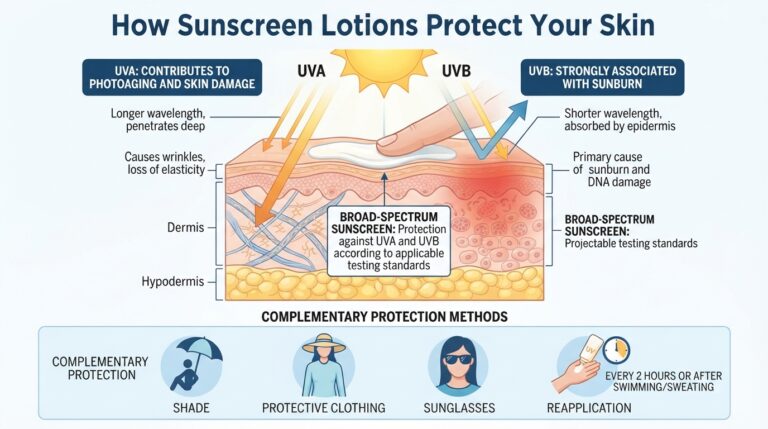
- UVA Protection: Ingredients like avobenzone and octocrylene primarily protect against aging and skin damage caused by UVA rays.
- UVB Protection: Compounds such as octinoxate and oxybenzone target UVB rays, which are responsible for sunburn and contribute to skin cancer risk.
When applied correctly, chemical sunscreens provide broad-spectrum protection, making them a popular choice for many individuals.
Key Ingredients in Chemical Sunscreens
Understanding the ingredients in chemical sunscreens can help you make informed choices when selecting a product. Here are some common active ingredients found in chemical sunscreens:
| Ingredient | Protection Type | Common Use |
|---|---|---|
| Avobenzone | UVA | Broad-spectrum protection |
| Octinoxate | UVB | Common in many formulations |
| Oxybenzone | UVA/UVB | Provides strong protection but may cause skin irritation |
| Octisalate | UVB | Stabilizes other sunscreen ingredients |
| Homosalate | UVB | Enhances the effectiveness of sunscreen |
It’s essential to read the labels carefully to understand which active ingredients are included in your sunscreen, especially if you have sensitive skin or specific preferences.
Advantages of Chemical Sunscreens
Choosing the right sunscreen can be a daunting task, but chemical sunscreens offer several advantages that make them appealing to many users:
- Lightweight Texture: Chemical sunscreens are often lighter and more fluid compared to mineral options, making them ideal for daily wear.
- Absence of White Cast: Unlike mineral sunscreens that can leave a noticeable white residue, chemical sunscreens tend to blend seamlessly into the skin.
- Variety of Formulations: They come in various forms, including sprays, gels, and lotions, providing options for different preferences and skin types.
Who Should Use Chemical Sunscreens?
Chemical sunscreens can be suitable for a wide range of individuals, particularly:
- Those with oily or combination skin types who may prefer a non-greasy, lightweight option.
- Individuals seeking a sunscreen that won’t leave a white cast on darker skin tones.
- People looking for a variety of application options like sprays or gels for ease of use.
Potential Concerns with Chemical Sunscreens
While chemical sunscreens have many benefits, they are not without their drawbacks. Here are some potential concerns:
- Skin Irritation: Some individuals may experience irritation or allergic reactions to certain active ingredients, such as oxybenzone.
- Environmental Impact: Certain ingredients have been linked to coral reef damage, leading to bans in places like Hawaii and Key West.
- Hormonal Effects: Some studies suggest that chemicals like oxybenzone may disrupt hormone levels, although research is ongoing.
How to Choose the Right Chemical Sunscreen
When selecting a chemical sunscreen, consider the following factors to ensure you find the best product for your needs:
1. Broad Spectrum Protection
Look for sunscreens labeled as “broad spectrum,” which means they protect against both UVA and UVB rays.
2. SPF Rating
Choose a sunscreen with an SPF of at least 30, which blocks about 97% of UVB rays. Higher SPF ratings offer slightly more protection but can give a false sense of security.
3. Skin Type Consideration
Consider your skin type when choosing a formulation. If you have oily or acne-prone skin, opt for oil-free or non-comedogenic options. For dry skin, look for moisturizing ingredients.
4. Water Resistance
If you plan to swim or sweat, choose a water-resistant sunscreen. However, be aware that no sunscreen is completely waterproof.
Application Tips for Chemical Sunscreens
To maximize the effectiveness of your chemical sunscreen, follow these application tips:
- Apply Generously: Use about an ounce (a shot glass full) for full-body coverage.
- Apply Before Sun Exposure: Apply at least 15 minutes before going outdoors to allow the ingredients to absorb into the skin.
- Reapply Regularly: Reapply every two hours, or immediately after swimming, sweating, or towel drying.
Combining Chemical Sunscreens with Other Skin Care Products
Chemical sunscreens can be effectively integrated into your skincare routine. Here’s how:
- Layering: Apply your chemical sunscreen after moisturizer and before makeup for optimal protection.
- Antioxidants: Consider using serums or creams with antioxidants (like vitamin C) underneath your sunscreen for extra protection against environmental damage.
Conclusion
Understanding what is a chemical sunscreen and how it works is essential for anyone looking to protect their skin from the harmful effects of UV radiation. With a variety of formulations available and the benefits of lightweight application, chemical sunscreens can be an excellent choice for daily sun protection. However, it’s crucial to consider your skin type, preferences, and any potential allergens when selecting a product.
As with any skincare product, staying informed and choosing wisely can help you maintain healthy, protected skin for years to come.