
When it comes to protecting your skin during pregnancy, a common concern is, “What sunscreen is safe for pregnancy?” The right sunscreen not only shields you from harmful UV rays but also ensures that you and your baby stay safe from any potentially harmful chemicals. Understanding the ingredients and the types of sunscreens available is crucial for making informed choices during this special time.
Understanding Sunscreen: A Quick Overview
Sunscreens are formulated to protect the skin from the sun’s harmful ultraviolet (UV) rays, which can cause skin damage and increase the risk of skin cancer. They come in two primary types: chemical and physical (or mineral) sunscreens. Each type works differently and has distinct ingredients that can affect their safety during pregnancy.
Chemical vs. Physical Sunscreens
Chemical sunscreens absorb UV radiation and convert it into heat, which is then released from the skin. Common chemical ingredients include:
- Oxybenzone
- Avobenzone
- Octisalate
- Octocrylene
- Homosalate
Physical sunscreens, on the other hand, create a barrier on the skin that reflects UV rays. The main ingredients in physical sunscreens are:
- Zinc oxide
- Titanium dioxide
Safety of Sunscreen Ingredients During Pregnancy
When considering what sunscreen is safe for pregnancy, it’s essential to evaluate the ingredients carefully. Some ingredients in chemical sunscreens have raised concerns regarding their effects on hormonal balance and fetal development.
Ingredients to Avoid
While there is still ongoing research regarding the effects of certain chemicals, it is advisable to avoid the following ingredients during pregnancy:
- Oxybenzone: This ingredient can be absorbed into the bloodstream and has been linked to hormonal disruptions.
- Octinoxate: Similar to oxybenzone, it can potentially disrupt hormones and is also harmful to coral reefs.
- Retinyl Palmitate: A derivative of Vitamin A, it may pose risks of developmental issues when over-applied.
Safe Ingredients for Pregnant Women
For a safer option, look for sunscreens that contain the following ingredients:
- Zinc Oxide: A safe, effective physical blocker that protects against both UVA and UVB rays.
- Titanium Dioxide: Another physical blocker that is generally recognized as safe and effective.
Choosing the Right Sunscreen
When shopping for sunscreen during pregnancy, consider the following factors to ensure you select a safe product:
SPF Rating
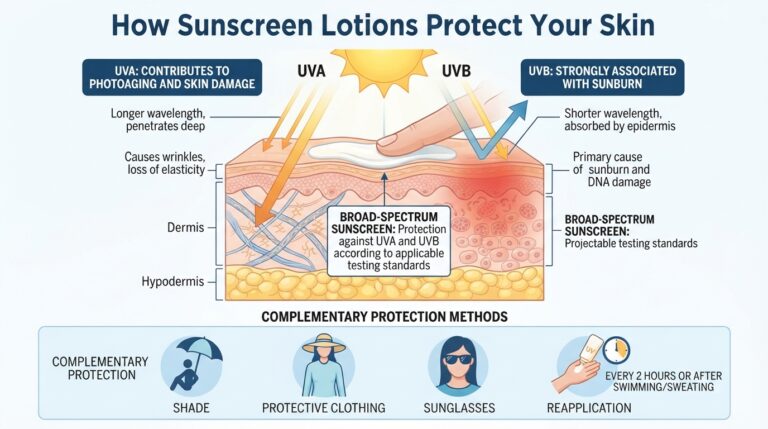
Choose a sunscreen with an SPF of at least 30 for adequate protection. Higher SPFs offer better protection, but remember that no sunscreen can block 100% of UV rays. Reapplication every two hours or after swimming or sweating is essential for continued protection.
Water Resistance
If you plan on swimming or sweating, opt for a water-resistant formula. However, even water-resistant sunscreen must be reapplied regularly, especially after water exposure.
Broad Spectrum Protection
Ensure that your sunscreen offers broad-spectrum protection, meaning it shields against both UVA and UVB rays. UVA rays can prematurely age the skin while UVB rays are primarily responsible for sunburn.
Top Sunscreens Safe for Pregnancy
Here are some recommended sunscreens that have been deemed safe for use during pregnancy:
| Brand | Product Name | Key Ingredients |
|---|---|---|
| Neutrogena | Sheer Zinc Mineral Sunscreen | Zinc Oxide |
| Badger | Sport Sunscreen | Zinc Oxide, Organic Ingredients |
| CeraVe | Hydrating Mineral Sunscreen | Zinc Oxide, Titanium Dioxide |
| Blue Lizard | Sensitive Mineral Sunscreen | Zinc Oxide, Titanium Dioxide |
| Coppertone | Pure & Simple Sunscreen | Zinc Oxide |
Application Tips for Pregnant Women
Applying sunscreen correctly is just as important as choosing the right product. Here are some practical tips to maximize effectiveness:
- Apply Generously: Use about one ounce (a shot glass full) to cover your entire body.
- Don’t Forget Areas: Pay attention to often-missed spots like the ears, neck, and the tops of your feet.
- Reapply Often: Reapply every two hours, or immediately after swimming or sweating.
- Use Daily: Even on cloudy days, UV rays can penetrate the clouds, so make applying sunscreen a daily habit.
Other Sun Protection Strategies
In addition to using sunscreen, consider these additional sun protection strategies:
- Wear Protective Clothing: Long sleeves, wide-brimmed hats, and UV-protective clothing can further shield your skin.
- Seek Shade: Whenever possible, stay in the shade, especially during peak sun hours (10 AM to 4 PM).
- Use Sunglasses: Protect your eyes from UV rays with sunglasses that block 100% of UVA and UVB rays.
Consulting Your Healthcare Provider
As with any product during pregnancy, it’s wise to consult with your healthcare provider about what sunscreen is safe for pregnancy. They can provide personalized recommendations based on your health history and skin type.
Conclusion
Choosing the right sunscreen during pregnancy is crucial for both your skin and your baby’s health. By selecting products with safe ingredients and following proper application techniques, you can protect yourself from UV rays without compromising safety. Always stay informed and proactive in your skincare routine, and don’t hesitate to seek professional advice for the best results. Remember, the goal is not just to enjoy the sun but to do so safely and responsibly.