

Summer days spent by the beach or pool can be idyllic, but they come with their own set of challenges, one of which is sunscreen application. If you ever find yourself in the unfortunate situation of getting sunscreen in your eyes, knowing what to do can make a world of difference. In this article, we will guide you through the necessary steps to take immediately and offer tips for preventing this common problem in the future.
Understanding Sunscreen and Its Ingredients
Before diving into the immediate actions to take, let’s explore what sunscreen actually is and why it can be irritating to the eyes. Sunscreens are formulated with various active ingredients that protect the skin from harmful ultraviolet (UV) rays. These ingredients can be broadly categorized into two types: chemical and physical (or mineral).
Chemical Sunscreens
Chemical sunscreens contain organic compounds such as avobenzone, octisalate, and octocrylene, which absorb UV radiation and convert it into heat, releasing it from the skin. While effective, these compounds can sometimes cause eye irritation if they come into contact with the eyes.
Physical Sunscreens
Physical sunscreens, on the other hand, use natural minerals like zinc oxide and titanium dioxide to reflect UV rays. These are often considered gentler on the skin and eyes but can still cause irritation if not applied carefully.
Immediate Steps to Take If Sunscreen Gets in Your Eyes
If you accidentally get sunscreen in your eyes, your first instinct may be panic. However, it’s crucial to remain calm. Here’s a step-by-step guide on what to do:
1. Flush Your Eyes with Water
The first and most important step is to flush your eyes with water. This helps to dilute and wash away the sunscreen.
- Find a clean source of water, such as a sink, shower, or a bottle of clean water.
- Position your head under the water stream or pour water gently into your eye.
- Open your eye wide, allowing the water to flow over and around it.
- Continue flushing your eye for at least 10 to 15 minutes.
2. Remove Contact Lenses
If you wear contact lenses, remove them immediately. Sunscreen can get trapped underneath the lenses, causing further irritation.
3. Avoid Rubbing Your Eyes
It might be tempting to rub your eyes to alleviate discomfort, but this can exacerbate irritation and cause more harm. Instead, focus on flushing the area with water.
4. Use a Cold Compress
If swelling or redness persists after rinsing, applying a clean, cold compress to the affected eye may provide relief. Make sure the compress is not too cold and is free from any contaminants.
5. Seek Medical Attention if Necessary
If irritation continues after rinsing or if you experience severe pain, vision changes, or persistent redness, it’s important to seek medical attention. An eye care professional can assess your condition and provide appropriate treatment.
Preventive Measures to Avoid Sunscreen in Your Eyes
While accidents happen, taking preventive measures can significantly reduce the chances of getting sunscreen in your eyes. Here are some effective tips:
1. Apply Sunscreen Carefully
When applying sunscreen, take care to avoid the eye area. Use a smaller amount around your eyes and consider using a spray or stick formulation that allows for more precise application.
2. Use Sunscreen Formulated for the Face
Facial sunscreens are often designed to be lighter and less irritating. Look for products labeled as “eye-safe” or “formulated for sensitive skin” to minimize the risk of irritation.
3. Wear Sunglasses
Wearing protective eyewear can provide a barrier against both UV rays and accidental splashes of sunscreen. Choose sunglasses that offer broad-spectrum UV protection for optimal safety.
4. Wait for Sunscreen to Dry
After applying sunscreen, allow it to dry completely before engaging in activities like swimming or sweating. This can help prevent the sunscreen from running into your eyes.
What to Look for in Eye-Safe Sunscreens
When selecting sunscreen, particularly for use around the eyes, consider the following factors:
1. Broad-Spectrum Protection
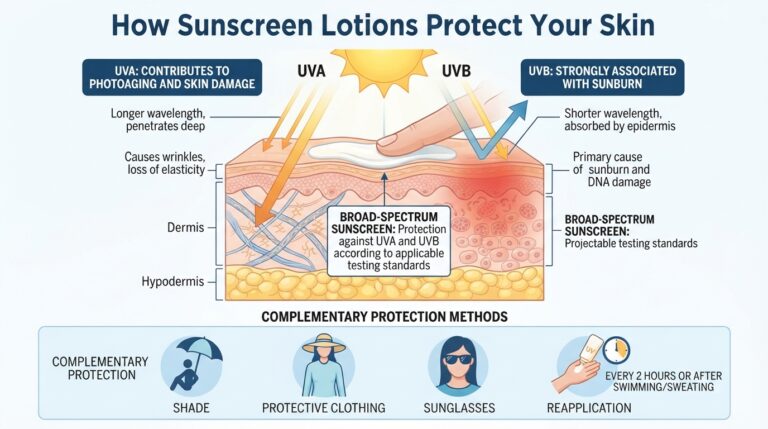
Ensure the sunscreen offers protection against both UVA and UVB rays. Broad-spectrum sunscreens are vital for comprehensive skin protection.
2. Water Resistance
Choose a water-resistant formula, especially if you plan on swimming or sweating. This can help reduce the chances of sunscreen running into your eyes.
3. Hypoallergenic Formulations
Look for sunscreens labeled as hypoallergenic or specifically formulated for sensitive skin. This can help minimize irritation.
Common Myths About Sunscreen and Eye Safety
Sunscreen is essential for skin protection, but there are several myths surrounding its use, especially regarding eye safety. Let’s debunk a few:
Myth 1: All Sunscreens Are Safe for the Eyes
Not all sunscreens are created equal. Some formulations contain ingredients that can irritate the eyes. Always check labels and opt for eye-safe products when applying near the face.
Myth 2: You Don’t Need Sunscreen on Cloudy Days
Many people believe that sunscreen is unnecessary on cloudy days. However, up to 80% of UV rays can penetrate clouds, so it’s crucial to apply sunscreen every day, regardless of the weather.
Myth 3: Only Fair-Skinned Individuals Need Sunscreen
UV rays can affect people of all skin tones. Regardless of your skin color, using sunscreen is essential to protect against skin damage and cancer.
Conclusion
Getting sunscreen in your eyes can be an uncomfortable experience, but knowing what to do can help alleviate the discomfort effectively. Always remember to flush your eyes with water, avoid rubbing, and seek medical attention if necessary. Prevention is key, so take proactive measures to protect your eyes while enjoying the sun. By choosing the right sunscreen and applying it carefully, you can enjoy your outdoor activities without worry. Stay safe, stay protected, and enjoy the sunshine!