
Sunscreen is an essential part of our skincare routine, but have you ever wondered when sunscreen was popularized? The journey of sunscreen began in the early 20th century, but it wasn’t until the 1970s that it became a staple in households worldwide. Understanding this timeline can help us appreciate the importance of sun protection and how far we’ve come in skincare technology.
The Early Beginnings of Sunscreen
The concept of sun protection is not new. Ancient civilizations, including the Egyptians and Greeks, understood the damaging effects of the sun. They used various natural oils and extracts to protect their skin. For instance:
- The Egyptians utilized olive oil and rice bran extracts.
- The Greeks applied a mixture of olive oil and ochre to shield their skin.
- The indigenous people of South America used natural ingredients like animal fats and plant extracts.
However, the modern formulation of sunscreen began in the late 19th century. In 1938, chemist Franz Greiter developed a sunscreen called “Gletscher Crème” to protect his skin from the sun’s harmful rays while climbing glaciers. This marked the beginning of scientifically formulated sun protection products.
The 1940s and 1950s: The Birth of Commercial Sunscreen
It wasn’t until the 1940s that sunscreen began to gain traction as a commercial product. During World War II, the U.S. military recognized the need for sun protection for soldiers stationed in the Pacific Islands. They commissioned research that led to the development of sunscreen products specifically for military use.
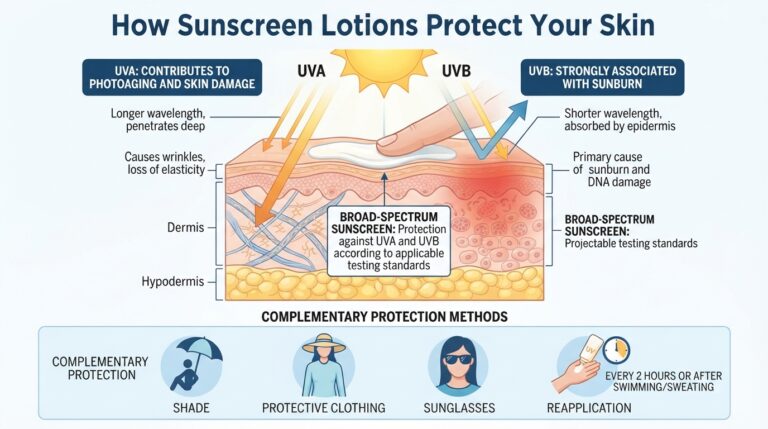
By the 1950s, sunscreen began to appear on the consumer market, but its formulation was still basic compared to today’s standards. Early products offered limited sun protection, primarily focusing on preventing sunburn rather than providing broad-spectrum protection against UVA and UVB rays.
The 1960s: A Shift in Awareness
The 1960s saw a shift in public awareness about the dangers of sun exposure. As more people began to spend time outdoors and enjoy beach vacations, the demand for effective sun protection products increased. This decade also marked the introduction of the SPF (Sun Protection Factor) rating system, which allowed consumers to understand the level of protection offered by sunscreen.
The Role of Advertising
Advertising played a significant role in popularizing sunscreen during the 1960s. Companies began marketing their products as essential for a fun and safe outdoor experience. This change in messaging contributed to the growing awareness of skin health and the importance of sun protection.
The 1970s: Sunscreen Goes Mainstream
The 1970s marked the turning point for sunscreen, solidifying its place in everyday skincare routines. By this time, consumers had become more educated about the risks associated with UV exposure. The following factors contributed to the popularization of sunscreen during this decade:
- Increased Research: Scientific research revealed the connection between UV radiation and skin cancer, leading to heightened awareness.
- Celebrity Endorsements: Public figures began endorsing sunscreen, further influencing consumer behavior.
- Product Innovation: Advances in formulation improved the effectiveness and appeal of sunscreens. New ingredients were introduced that provided better protection without leaving a greasy residue.
The 1980s and 1990s: The Rise of Broad-Spectrum Protection
As knowledge about the sun’s harmful effects grew, the 1980s and 1990s saw significant advancements in sunscreen formulation. Broad-spectrum protection became a critical focus, ensuring that products offered protection against both UVA and UVB rays.
Regulatory Changes
In the late 1990s, the U.S. Food and Drug Administration (FDA) began to regulate sunscreen products more strictly. This led to the establishment of guidelines that required manufacturers to test their products for effectiveness and safety. The introduction of new SPF ratings and labeling requirements helped consumers make informed choices.
The 2000s: Sunscreen Becomes a Global Staple
By the early 2000s, sunscreen had become a household essential worldwide. The global market for sunscreen products expanded rapidly, with innovations such as spray-on sunscreens and tinted formulas catering to a diverse range of consumer needs. Some key trends during this period included:
- Natural Ingredients: A growing demand for organic and natural sunscreens emerged, with consumers seeking products free from harmful chemicals.
- Water-Resistant Formulations: Advances in chemistry led to the development of water-resistant sunscreens, making them more suitable for swimming and outdoor activities.
- Increased Awareness: Educational campaigns about sun safety and the risks of skin cancer gained momentum, encouraging people to incorporate sunscreen into their daily routines.
Today’s Sunscreen: Trends and Innovations
In recent years, the sunscreen industry has seen further innovations, responding to consumer demand for effective sun protection. Today’s sunscreens offer a range of features, including:
- SPF 30 and Above: Most dermatologists recommend using sunscreen with an SPF of 30 or higher for adequate protection.
- Mineral vs. Chemical Sunscreens: The debate between mineral (physical) and chemical sunscreens continues, with consumers weighing the pros and cons of each option.
- Eco-Friendly Products: With increased awareness of environmental issues, many brands are focusing on sustainable packaging and reef-safe formulations.
Consumer Education and Advocacy
Consumer education remains a top priority, as organizations and dermatologists work to inform the public about the importance of consistent sunscreen use. The rise of social media and influencer culture has also played a significant role in promoting sun safety and sunscreen use among younger generations.
Why Sunscreen Matters: Understanding the Risks
Given the extensive history of sunscreen and its evolution, it’s crucial to recognize why using sunscreen is so important. Here are some compelling reasons:
- Skin Cancer Prevention: The primary benefit of sunscreen is its ability to reduce the risk of skin cancer, which is linked to UV exposure.
- Prevention of Premature Aging: Regular use of sunscreen can help prevent signs of aging, such as wrinkles and pigmentation.
- Protection from Sunburn: Sunscreen helps prevent painful sunburn, allowing individuals to enjoy outdoor activities comfortably.
Conclusion: Embracing Sunscreen as a Daily Essential
Understanding when sunscreen was popularized provides valuable context for its current importance in our everyday lives. With an extensive history dating back to ancient civilizations and significant advancements in formulation and awareness over the decades, sunscreen has evolved into an indispensable part of skincare. Protecting our skin from harmful UV rays is essential, not just for our appearance but also for our health.
As we continue to enjoy the great outdoors, let’s make sunscreen a daily habit. The right product, applied correctly and consistently, can make a significant difference in our skin health and overall well-being.