
When it comes to skin care, one question that often arises is, do black people need sunscreen? The answer is a resounding yes. While it is a common misconception that darker skin tones are immune to the harmful effects of the sun, the truth is that everyone, regardless of complexion, should prioritize sun protection. This post will explore why sunscreen is essential for black individuals and provide practical tips for effective sun safety.
The Science Behind Skin Color and UV Protection
To understand why black people need sunscreen, it’s essential to delve into the science of skin pigmentation. Melanin, the pigment responsible for skin color, does offer some natural protection against ultraviolet (UV) rays. However, this protection is not absolute. Here are some key points:
- Melanin and UV Protection: While melanin can absorb and dissipate UV radiation, it only provides a sun protection factor (SPF) equivalent of about 13. This means that darker skin is less susceptible to sunburn but still vulnerable to UV damage.
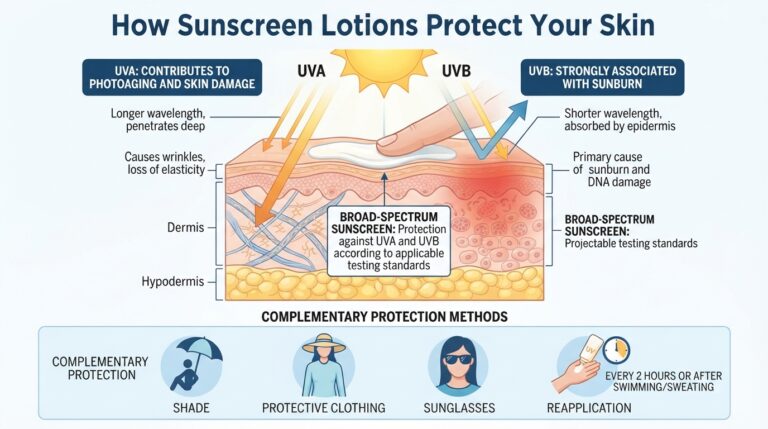
- Types of UV Rays: There are two main types of UV rays: UVA and UVB. UVA rays penetrate deeply and can lead to skin aging and cancer, while UVB rays are primarily responsible for sunburn. Both types can damage skin, regardless of skin tone.
- Skin Cancer Risk: Although black individuals have a lower incidence of skin cancer compared to lighter-skinned populations, they often experience a later stage of diagnosis, leading to poorer outcomes.
Myths and Misconceptions About Sunscreen Use
Despite the scientific evidence supporting the use of sunscreen, several myths persist, particularly in the black community. Addressing these misconceptions is crucial for promoting awareness about sun safety.
Myth 1: Dark Skin Does Not Burn
While it’s true that darker skin is less likely to burn, it is not immune. Black individuals can and do experience sunburn, especially with prolonged exposure.
Myth 2: Sunscreen Is Only for the Beach
Many people believe that sunscreen is only necessary when spending time at the beach or pool. However, UV rays can penetrate clouds and affect skin even on overcast days.
Myth 3: You Only Need Sunscreen in Summer
Sun protection is a year-round necessity. UV rays can harm skin in winter months, especially in snowy or high-altitude conditions where reflection increases exposure.
The Importance of Sunscreen for Black Individuals
Understanding the significance of sunscreen is vital for everyone. Here are some reasons why black individuals should consider incorporating sunscreen into their daily routine:
- Preventing Skin Damage: Regular use of sunscreen can help protect against premature aging, pigmentation issues, and skin texture changes caused by UV exposure.
- Lowering Skin Cancer Risk: While the risk is lower, it is not negligible. Using sunscreen can help reduce the risk of developing skin cancer, particularly in areas that are often overlooked, such as the scalp and ears.
- Maintaining Even Skin Tone: Sunscreen can help prevent hyperpigmentation, a common issue for individuals with darker skin. UV exposure can exacerbate dark spots and uneven skin tone.
Choosing the Right Sunscreen
When selecting a sunscreen, it’s important to consider the formulation and specific needs of your skin type. Here are some tips for choosing the right sunscreen:
1. Look for Broad-Spectrum Protection
Choose a sunscreen that offers broad-spectrum protection, meaning it protects against both UVA and UVB rays. This is crucial for comprehensive skin protection.
2. Consider SPF Level
While SPF 30 is generally recommended for most skin types, those with darker skin might opt for SPF 15 or higher. It’s important to find a balance that suits your lifestyle and exposure level.
3. Opt for Water-Resistant Formulas
If you plan to swim or sweat, consider a water-resistant sunscreen. These formulations provide longer-lasting protection, especially during outdoor activities.
4. Pay Attention to Ingredients
Some individuals may prefer mineral sunscreens containing zinc oxide or titanium dioxide, as these ingredients are less likely to irritate sensitive skin. Others might choose chemical sunscreens for a lighter feel.
How to Apply Sunscreen Correctly
Applying sunscreen correctly is just as important as choosing the right product. Follow these steps for optimal protection:
- Apply Generously: Use about one ounce (a shot glass full) for full body coverage. Don’t forget commonly missed areas like the scalp, ears, and the back of your neck.
- Apply Before Sun Exposure: Apply sunscreen at least 15-30 minutes before going outdoors to allow for proper absorption.
- Reapply Regularly: Reapply every two hours, or more frequently if swimming or sweating. Even water-resistant formulas require reapplication after 40-80 minutes of swimming.
Beyond Sunscreen: Additional Sun Safety Tips
While sunscreen is a crucial component of sun safety, it should be part of a comprehensive approach. Here are additional tips to protect your skin:
- Seek Shade: Whenever possible, stay in shaded areas, especially during peak sun hours between 10 a.m. and 4 p.m.
- Wear Protective Clothing: Consider wearing long sleeves, wide-brimmed hats, and UV-blocking sunglasses to further shield your skin from UV rays.
- Be Mindful of Reflective Surfaces: Water, sand, and concrete can reflect UV rays, increasing your exposure even in shaded areas.
Conclusion
In conclusion, the question of do black people need sunscreen is one that deserves attention and understanding. Regardless of skin tone, everyone is susceptible to UV damage, and proactive sun protection is essential for maintaining healthy skin. By recognizing the importance of sunscreen, dispelling common myths, and adopting effective sun safety practices, individuals with darker skin can protect themselves against the harmful effects of the sun. Make sunscreen a non-negotiable part of your daily routine, and encourage others to do the same. Together, we can foster a culture of sun safety that benefits everyone.