
As the sun shines brighter each summer, many people start to wonder about the best ways to protect their skin from harmful UV rays. One popular question that arises is, can coconut oil be used as sunscreen? This intriguing idea has gained traction in recent years, with many touting the natural benefits of coconut oil. In this article, we will explore the effectiveness of coconut oil as a sunscreen, its potential benefits, and what you should consider before slathering it on your skin.
The Basics of Sunscreen
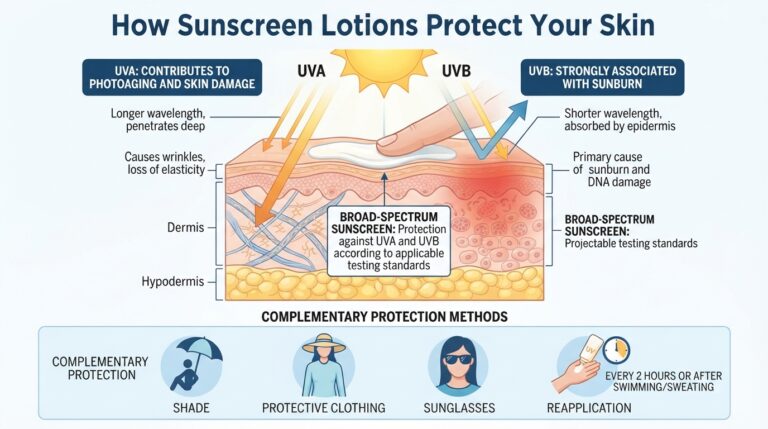
Before diving into the specifics of coconut oil, it’s essential to understand how sunscreen works. Sunscreens are designed to protect your skin from the sun’s ultraviolet (UV) radiation, which can lead to skin damage, premature aging, and an increased risk of skin cancer. There are two types of UV radiation to be aware of:
- UVA Rays: These rays penetrate deep into the skin and are primarily responsible for aging and wrinkling.
- UVB Rays: These rays cause sunburn and are the main contributors to skin cancer.
To effectively protect your skin, a sunscreen should have a broad-spectrum formulation, meaning it protects against both UVA and UVB rays. The Sun Protection Factor (SPF) rating indicates how long the sunscreen will protect your skin from UVB rays. A higher SPF means more protection.
Coconut Oil: An Overview
Coconut oil, derived from the flesh of coconuts, has been used for centuries in cooking, skincare, and traditional medicine. Packed with fatty acids, vitamins, and antioxidants, it has gained popularity for its moisturizing properties and potential health benefits. Here’s what you need to know about coconut oil:
- Type of Fat: Coconut oil is primarily made up of medium-chain triglycerides (MCTs), which are easily absorbed and provide quick energy.
- Moisturizing Qualities: It acts as an excellent moisturizer, helping to hydrate and nourish the skin.
- Antimicrobial Properties: Coconut oil has natural antimicrobial properties, which can help protect the skin from certain infections.
The SPF of Coconut Oil
One of the most significant factors in determining whether coconut oil can serve as an effective sunscreen is its SPF. Research indicates that coconut oil has an SPF of about 4 to 5. While this provides some level of protection against UVB rays, it is far lower than the recommended SPF of 30 or higher for adequate sun protection.
Understanding the Limitations
While coconut oil does offer some form of UV protection, relying solely on it as a sunscreen comes with serious drawbacks:
- Low SPF: With an SPF of only 4 to 5, coconut oil does not provide sufficient protection against UV rays, particularly for prolonged sun exposure.
- No UVA Protection: Coconut oil does not effectively block UVA rays, which can cause deeper skin damage and increase the risk of skin cancer.
- Potential for Skin Reactions: Some individuals may experience allergic reactions or irritations from using coconut oil, particularly those with sensitive skin.
Using Coconut Oil Safely in the Sun
If you still choose to incorporate coconut oil into your skincare routine while enjoying the sun, consider these practical tips:
- Combine with Sunscreen: Use coconut oil as a moisturizer under a high-SPF sunscreen to enhance hydration while ensuring better sun protection.
- Limit Exposure Time: Be mindful of your time in the sun. Avoid peak sunlight hours (10 AM to 4 PM) when UV rays are strongest.
- Reapply Frequently: If using coconut oil, be sure to reapply it every couple of hours, especially after swimming or sweating.
Natural Alternatives to Coconut Oil Sunscreen
If you’re looking for natural alternatives to commercial sunscreens, consider these options that offer better protection:
Shea Butter
Shea butter has an SPF of around 6 and provides excellent moisturizing benefits. It also contains vitamins A and E, which can help with skin repair and regeneration.
Red Raspberry Seed Oil
This oil boasts an SPF ranging from 28 to 50 and offers protection against both UVA and UVB rays. It is rich in antioxidants and has anti-inflammatory properties, making it a great choice for sun exposure.
Carrot Seed Oil
Carrot seed oil has an SPF of approximately 38 to 40 and is known for its skin-rejuvenating qualities. It helps to repair damaged skin and offers good protection against UV rays.
Commercial Sunscreens: The Gold Standard
While natural oils can supplement your sun protection regimen, commercial sunscreens remain the gold standard for effective UV protection. Here are some key features to look for:
| Feature | Description |
|---|---|
| Broad Spectrum | Protects against both UVA and UVB rays. |
| SPF 30 or Higher | Offers adequate protection for most skin types. |
| Water Resistant | Stays effective for 40 to 80 minutes while swimming or sweating. |
| Hypoallergenic | Formulated to minimize allergic reactions. |
Conclusion: The Bottom Line
So, can coconut oil be used as sunscreen? While it does provide some level of protection, its low SPF and limited UVA coverage make it an inadequate standalone option for sun safety. Instead, consider using coconut oil in conjunction with a high-SPF sunscreen to reap its moisturizing benefits while ensuring proper protection from harmful UV rays.
Ultimately, the best approach to sun safety combines various protective measures, including wearing protective clothing, seeking shade, and applying broad-spectrum sunscreen regularly. Your skin deserves the best care, so make informed choices when it comes to sun protection.