
The question “do you put moisturizer on before sunscreen?” is one that many people ponder as they establish their daily skincare routines. Understanding the correct order of applying skincare products is crucial for maximizing their benefits and ensuring effective sun protection. In this comprehensive guide, we’ll explore why putting moisturizer on before sunscreen is essential, how it affects your skin, and the best practices for layering these products.
The Importance of Moisturizer in Your Skincare Routine
Moisturizers serve a vital function in maintaining skin health. They help to:
- Hydrate the skin, preventing dryness and flakiness.
- Create a barrier that locks in moisture.
- Improve the skin’s texture and elasticity.
- Prepare the skin for makeup application.
Using a moisturizer is especially important if you have dry or sensitive skin, as it can alleviate discomfort and irritation. Additionally, many moisturizers contain beneficial ingredients such as hyaluronic acid, glycerin, and antioxidants that further enhance skin health.
The Role of Sunscreen in Skincare
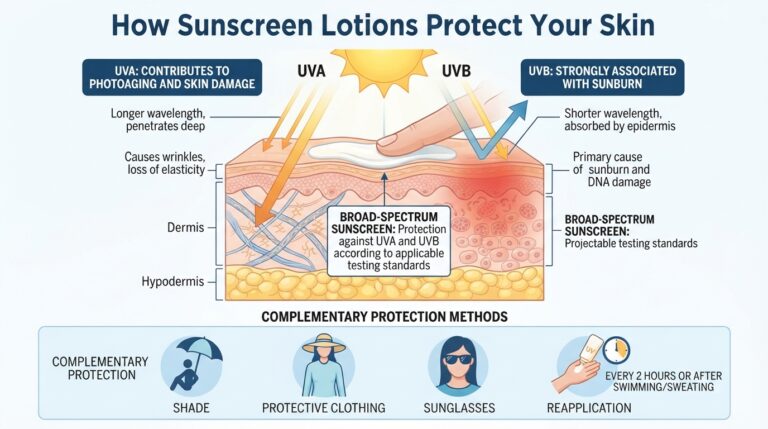
Sunscreen is a critical component of any skincare regimen. Its primary function is to protect the skin from the harmful effects of ultraviolet (UV) rays, which can lead to:
- Premature aging, including wrinkles and fine lines.
- Skin cancer, particularly melanoma.
- Hyperpigmentation and uneven skin tone.
According to the Skin Cancer Foundation, regular use of sunscreen can reduce the risk of developing skin cancer by up to 50%. This underscores the importance of incorporating sunscreen into your daily routine.
Why Moisturizer Should Come First
Now that we understand the individual benefits of moisturizer and sunscreen, let’s delve into why you should apply moisturizer before sunscreen. The reasoning is grounded in both functionality and skin science:
1. Layering for Maximum Absorption
Applying moisturizer first allows your skin to absorb hydrating ingredients effectively. If you apply sunscreen first, it can create a barrier that prevents your moisturizer from penetrating the skin. This layering ensures that your skin receives the hydration it needs.
2. Enhanced Sun Protection
Moisturizers can improve the efficacy of sunscreen. By providing a hydrated layer underneath, the sunscreen can spread more evenly and adhere better to the skin. This can lead to more consistent sun protection and prevent patchy areas that might get sun exposure.
3. Preventing Dryness
Many sunscreens, particularly chemical ones, can have drying effects on the skin. By applying moisturizer first, you can help offset this dryness and maintain skin hydration throughout the day.
How to Properly Layer Moisturizer and Sunscreen
To reap the full benefits of both products, follow these steps for proper application:
- Cleanse: Start with a clean face to remove any dirt or impurities.
- Apply Moisturizer: Choose a moisturizer suitable for your skin type. Apply a pea-sized amount and gently massage it into your skin until fully absorbed.
- Apply Sunscreen: Choose a broad-spectrum sunscreen with at least SPF 30. Use enough to cover your entire face and neck (about a nickel-sized amount). Allow the sunscreen to absorb for a few minutes before applying makeup, if desired.
Choosing the Right Products
Selecting the right moisturizer and sunscreen is crucial for your skin’s health. Here are some tips to help you choose:
Choosing a Moisturizer
When selecting a moisturizer, consider the following:
- Skin Type: Opt for lightweight, oil-free formulas if you have oily skin, while cream-based moisturizers are better for dry skin.
- Ingredients: Look for ingredients like hyaluronic acid, glycerin, and ceramides for hydration.
- Non-Comedogenic: If you are prone to breakouts, choose non-comedogenic products that won’t clog pores.
Choosing a Sunscreen
For sunscreen, consider these factors:
- Broad Spectrum: Ensure it protects against both UVA and UVB rays.
- SPF Rating: Use a product with at least SPF 30 for daily wear.
- Water Resistance: If you plan to be active or in water, choose water-resistant formulas.
Common Myths About Sunscreen Application
There are several misconceptions about sunscreen application that can hinder effective sun protection. Here are a few:
Myth 1: Sunscreen is Only Necessary on Sunny Days
UV rays can penetrate clouds and cause skin damage even on overcast days. Therefore, sunscreen should be applied daily, regardless of the weather.
Myth 2: You Only Need to Apply Sunscreen Once a Day
Sunscreen should be reapplied every two hours, or more frequently if swimming or sweating. This ensures continued protection throughout the day.
Myth 3: Higher SPF Equals Better Protection
While higher SPF offers more protection, it doesn’t mean you can stay in the sun longer without reapplication. An SPF of 30 blocks about 97% of UVB rays, while SPF 50 blocks about 98%.
Conclusion
In summary, the answer to “do you put moisturizer on before sunscreen?” is a resounding yes. Applying moisturizer first enhances hydration, improves the effectiveness of sunscreen, and protects your skin from the drying effects of sunblock. By layering these products correctly and choosing the right formulations for your skin type, you can achieve optimal skin health and effective sun protection. Remember to make sunscreen a daily habit, regardless of the weather or your plans for the day. Taking these steps will keep your skin looking radiant and healthy for years to come.