

Sunscreen is an essential part of our skincare routine, especially during sunny days. But have you ever wondered who invented sunscreen? The story begins in the early 20th century, with several key figures contributing to the development of this vital product. In this blog post, we will explore the origins of sunscreen, its evolution over the years, and the science behind how it protects our skin.
Understanding the Need for Sunscreen
The sun emits ultraviolet (UV) radiation, which can lead to skin damage, sunburn, and even skin cancer. Historically, people used various methods to protect their skin from the sun’s harmful effects. Ancient civilizations employed natural substances, such as oils and pastes, to shield their skin. For instance, the Egyptians used rice bran oil, while the indigenous peoples of the Americas applied a mixture of animal fats and other natural ingredients.
The Early Innovations
As society progressed, so did the understanding of sun exposure and its consequences. By the late 19th century and early 20th century, scientists began to study the effects of UV radiation more closely. This paved the way for the development of modern sunscreen.
The Pioneers of Sunscreen
The invention of sunscreen is credited to a few pioneering individuals. In 1938, a chemist named Franz Greiter developed the first effective sunscreen known as “Gletscher Crème.” Greiter, who was an avid mountaineer, recognized the importance of protecting skin from sunburn, especially at high altitudes where UV exposure is intense.
Franz Greiter’s Contribution
Greiter’s Gletscher Crème was a significant breakthrough in sun protection. It contained a combination of oils and chemicals that helped to block UV radiation. The product was initially designed for athletes and outdoor enthusiasts, but it quickly gained popularity among the general public.
The Evolution of Sunscreen Formulations
Following Greiter’s innovation, several other key figures made significant contributions to the development of sunscreen. In 1944, a chemist named Benjamin Green introduced a product called “Coppertone,” which became one of the first commercial sunscreens available to the masses. This product was notable for its water-resistant properties and the incorporation of a tanning agent, which appealed to consumers looking for a bronzed look.
Modern Developments
Over the decades, sunscreen formulations have evolved considerably. Today, we have a variety of options available, each designed to cater to different skin types and lifestyles. Here are some key developments in sunscreen technology:
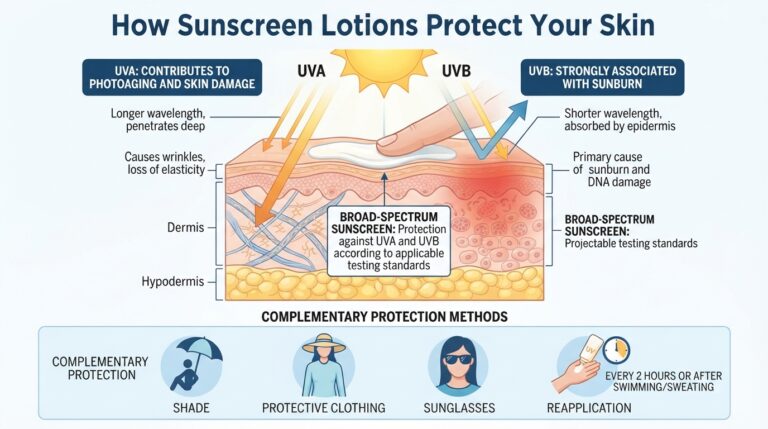
- Broad-Spectrum Protection: Modern sunscreens often provide broad-spectrum protection, shielding the skin from both UVA and UVB rays.
- SPF Ratings: The Sun Protection Factor (SPF) rating system helps consumers understand the level of protection a sunscreen offers against UVB rays.
- Water Resistance: Many sunscreens are designed to be water-resistant, making them suitable for activities like swimming and sweating.
- Mineral vs. Chemical Sunscreens: There are two main types of sunscreens: mineral (physical) and chemical. Mineral sunscreens contain active mineral ingredients like zinc oxide or titanium dioxide, while chemical sunscreens absorb UV radiation.
The Science Behind Sunscreen
Understanding how sunscreen works is crucial for making informed choices about skin protection. Sunscreens function by either absorbing or reflecting UV radiation to prevent it from penetrating the skin. Here’s a closer look at the two main types of ingredients:
Mineral Ingredients
Mineral sunscreens, also known as physical sunscreens, contain active ingredients like:
- Zinc Oxide: This ingredient provides broad-spectrum protection and is known for its skin-soothing properties.
- Titanium Dioxide: Similar to zinc oxide, titanium dioxide reflects UV rays and is often found in sensitive skin formulations.
Chemical Ingredients
Chemical sunscreens contain organic compounds that absorb UV radiation. Common active ingredients include:
- Avobenzone: Offers broad-spectrum protection against UVA rays.
- Octisalate: Helps stabilize sunscreens and enhances their effectiveness.
- Oxybenzone: Provides broad-spectrum protection but has been scrutinized for environmental concerns.
Global Impact and Regulatory Changes
The sunscreen industry has grown significantly over the years, leading to changes in regulations and consumer awareness. In many countries, sunscreen is considered an over-the-counter (OTC) drug, meaning it must meet specific safety and efficacy standards before reaching consumers.
Raising Awareness About Sun Safety
Public health campaigns have played a crucial role in promoting sun safety and the importance of using sunscreen. Organizations like the Skin Cancer Foundation and the American Academy of Dermatology have provided valuable resources and guidelines to help consumers make informed choices. Some key recommendations include:
- Use sunscreen with a minimum SPF of 30.
- Apply sunscreen generously and reapply every two hours, especially after swimming or sweating.
- Seek shade during peak sun hours (10 a.m. to 4 p.m.).
- Wear protective clothing and accessories, such as hats and sunglasses.
Future Trends in Sunscreen Technology
As we look to the future, the sunscreen industry continues to innovate. Here are some trends to watch for:
- Biodegradable Formulations: With increasing awareness of environmental impact, there is a growing demand for biodegradable and reef-safe sunscreens.
- Enhanced Skin Benefits: Many sunscreens are now formulated with added skincare ingredients, such as antioxidants and peptides, to provide additional benefits beyond sun protection.
- Personalized Sunscreens: Advances in technology may soon allow for personalized sunscreen formulations based on individual skin types and needs.
Conclusion: The Continuing Legacy of Sunscreen
The invention of sunscreen has had a profound impact on public health and skin safety. From the early innovations of Franz Greiter to the modern formulations available today, sunscreen has evolved into a vital tool for protecting our skin from the harmful effects of UV radiation. As we continue to deepen our understanding of sun safety, it is essential to choose the right sunscreen and incorporate it into our daily routines.
In summary, the journey of sunscreen is a testament to human ingenuity and the ongoing quest for better health and safety. By utilizing the advancements in sunscreen technology, we can enjoy the sun while minimizing the risks associated with UV exposure.