
When it comes to sun protection, many people often wonder what is the difference between sunscreen and sunblock. While both products are designed to protect your skin from harmful UV rays, they do so in different ways. Understanding these differences can help you make informed choices about your skin care routine and how to effectively shield yourself from the sun’s damaging effects.
Understanding UV Rays
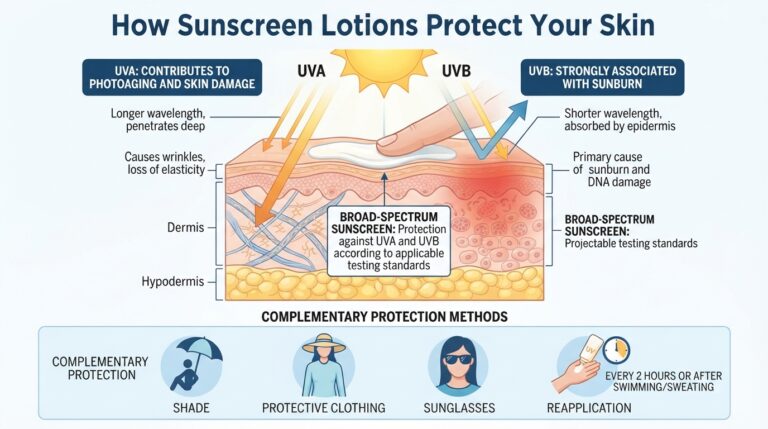
Before diving into the specifics of sunscreen and sunblock, it’s essential to understand the types of ultraviolet (UV) radiation that can affect your skin. There are two main types:
- UVA Rays: These rays penetrate deeply into the skin and are primarily responsible for premature aging and wrinkles.
- UVB Rays: These rays are responsible for causing sunburn and are linked to skin cancer.
Both UVA and UVB rays can contribute to skin damage, making effective sun protection crucial for maintaining healthy skin.
Sunscreen: A Closer Look
Sunscreen is a topical product that absorbs UV radiation, preventing it from penetrating the skin. It typically contains chemical ingredients that work by absorbing UV rays and converting them into heat, which is then released from the skin. Here are some popular ingredients found in sunscreens:
- Avobenzone
- Octisalate
- Octocrylene
- Oxybenzone
Advantages of Sunscreen
Using sunscreen has several benefits, including:
- Lightweight texture: Sunscreen tends to feel lighter on the skin, making it ideal for daily wear.
- Variety of formulations: You can find sunscreens in lotions, gels, sprays, and sticks, catering to different preferences and skin types.
- Water-resistant options: Many sunscreens are formulated to remain effective even when you sweat or swim.
How to Choose the Right Sunscreen
When selecting a sunscreen, consider the following factors:
- SPF Rating: Look for a broad-spectrum sunscreen with an SPF of at least 30 for adequate protection.
- Skin Type: Choose a formulation that suits your skin type, whether it’s oily, dry, sensitive, or acne-prone.
- Water Resistance: If you plan to swim or sweat, opt for a water-resistant formula.
Sunblock: A Detailed Overview
Sunblock, on the other hand, provides a physical barrier against the sun’s rays. It contains active mineral ingredients, such as zinc oxide or titanium dioxide, which sit on top of the skin and physically block UV rays from penetrating. Here are some characteristics of sunblock:
- Mineral-based: Sunblock is often made with naturally occurring minerals.
- Immediate protection: Unlike some sunscreens that may require application 30 minutes prior to sun exposure, sunblock can start working immediately upon application.
Benefits of Sunblock
Sunblock offers several advantages that make it a popular choice:
- Broad-spectrum protection: Sunblock effectively blocks both UVA and UVB rays.
- Less irritation: It is often better tolerated by sensitive skin types and is less likely to cause allergic reactions.
- Long-lasting: Mineral sunblocks can be more durable in water and provide longer-lasting protection.
Choosing the Right Sunblock
When selecting a sunblock, keep the following tips in mind:
- Look for high zinc oxide or titanium dioxide content: These ingredients provide effective and broad-spectrum UV protection.
- Consider formulation: Choose a formulation that feels comfortable on your skin, whether cream, stick, or lotion.
- Check for water resistance: If you’re engaging in water activities, look for a sunblock that is labeled as water-resistant.
Key Differences Between Sunscreen and Sunblock
Now that we’ve covered the fundamentals of sunscreen and sunblock, let’s distill the key differences into an easy-to-understand format:
| Feature | Sunscreen | Sunblock |
|---|---|---|
| Active Ingredients | Chemical filters (e.g., avobenzone, oxybenzone) | Mineral filters (e.g., zinc oxide, titanium dioxide) |
| Mechanism of Action | Absorbs UV rays | Reflects and scatters UV rays |
| Skin Type Suitability | Better for normal to oily skin | Ideal for sensitive or reactive skin |
| Application Time | Requires application 30 minutes before sun exposure | Works immediately upon application |
| Texture | Typically lighter and more fluid | Can be thicker and more visible on the skin |
How to Use Sunscreen and Sunblock Effectively
Regardless of which product you choose, proper application and usage are crucial for effective sun protection. Here are some tips to ensure you are using sunscreen or sunblock correctly:
Application Tips
- Apply generously: Use about one ounce (a shot glass full) to cover your entire body.
- Reapply regularly: Reapply every two hours or immediately after swimming or sweating.
- Don’t forget areas: Make sure to cover often-missed spots like the ears, back of the neck, and tops of the feet.
When to Use Sunscreen or Sunblock
Consider the following guidelines for when to use sunscreen or sunblock:
- Daily Use: For everyday activities, a broad-spectrum sunscreen can suffice.
- Outdoor Activities: If you plan to spend extended time outdoors, especially during peak sun hours, consider using a sunblock for added protection.
- Water Activities: If you’re swimming or participating in strenuous activities, opt for a water-resistant sunblock.
Summing It Up
In conclusion, understanding the difference between sunscreen and sunblock is essential for anyone looking to protect their skin from harmful UV rays. While both products serve the same primary purpose, their mechanisms, ingredients, and suitability for various skin types can vary significantly. By considering your skin type, lifestyle, and sun exposure conditions, you can make an informed choice about which product is best for you.
Ultimately, consistent application and proper use of either sunscreen or sunblock can help safeguard your skin from the damaging effects of the sun, keeping it healthy and youthful for years to come.