
As summer approaches, many of us look forward to basking in the sun. But a common question arises: does sunscreen prevent tan? The answer is nuanced and involves understanding how sunscreen interacts with UV rays, skin types, and tanning mechanisms. In this article, we will explore the science behind sunscreen, its effectiveness in preventing tanning, and tips for optimal sun protection.
Understanding Tanning and UV Rays
Tanning occurs as a natural response to UV radiation from the sun. When your skin is exposed to UV rays, it produces more melanin, the pigment that gives skin its color. This increased melanin results in a darker skin tone, often referred to as a tan. There are two main types of UV rays responsible for tanning:
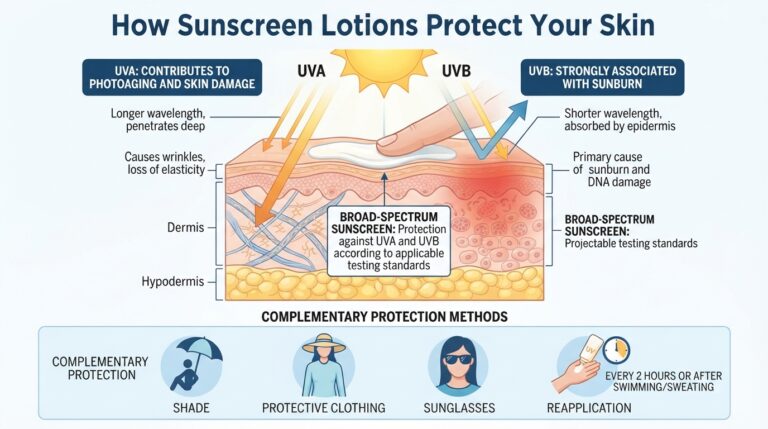
- UVA Rays: These rays penetrate deeply into the skin and are primarily responsible for premature aging and the tanning response.
- UVB Rays: These rays are responsible for sunburn and play a significant role in the development of skin cancer. They also contribute to tanning, but to a lesser extent than UVA rays.
How Sunscreen Works
Sunscreen is designed to protect your skin from the harmful effects of UV radiation. It works by either absorbing, reflecting, or scattering sunlight. Sunscreens can be categorized into two main types:
- Chemical Sunscreens: These contain organic compounds that absorb UV radiation, converting it into heat, which is then released from the skin.
- Physical (Mineral) Sunscreens: These contain active mineral ingredients like zinc oxide or titanium dioxide that sit on the skin’s surface and reflect UV rays.
Does Sunscreen Prevent Tan? The Science Behind It
The effectiveness of sunscreen in preventing a tan largely depends on several factors:
1. Sun Protection Factor (SPF)
The SPF rating indicates the level of protection a sunscreen offers against UVB rays. Here’s how to understand SPF better:
| SPF Rating | Percentage of UVB Rays Blocked |
|---|---|
| 15 | 93% |
| 30 | 97% |
| 50 | 98% |
While higher SPF ratings provide more protection, it’s crucial to apply enough product and reapply it regularly, especially after swimming or sweating.
2. Broad-Spectrum Protection
For effective tanning prevention, it’s essential to choose a broad-spectrum sunscreen that protects against both UVA and UVB rays. UVA rays can still penetrate the skin even on cloudy days or during winter, leading to tanning and skin damage.
3. Application Techniques
Even the best sunscreen won’t be effective if it’s not applied properly. Here are some important application tips:
- Apply sunscreen generously on all exposed skin at least 15 minutes before sun exposure.
- Use about one ounce (a shot glass full) for full body coverage.
- Reapply every two hours, or immediately after swimming or sweating.
Factors Influencing Sunscreen Effectiveness
Several factors can influence how well sunscreen prevents a tan:
Skin Type
Individuals with lighter skin tones tend to tan more easily and may require stronger protection. Conversely, those with darker skin might have more natural protection but are still susceptible to UV damage.
Duration and Timing of Sun Exposure
The time of day and duration of sun exposure also play critical roles. UV rays are strongest between 10 a.m. and 4 p.m. Limiting sun exposure during these hours can significantly reduce the likelihood of tanning.
Geographical Location
Your location influences UV exposure levels. Areas closer to the equator or at higher altitudes receive more intense UV radiation, making effective sunscreen use even more critical.
Can You Avoid Tanning Completely?
While sunscreen significantly reduces the risk of tanning, it may not completely eliminate it. For those seeking to avoid tanning altogether, consider the following strategies:
- Seek Shade: Whenever possible, stay in shaded areas, especially during peak sunlight hours.
- Wear Protective Clothing: Long-sleeved shirts, wide-brimmed hats, and sunglasses can provide additional protection against UV rays.
- Use UV-Blocking Accessories: Some clothing and accessories are designed with UV protection ratings, ensuring enhanced safety from sun exposure.
Common Misconceptions About Sunscreen and Tanning
There are several myths surrounding sunscreen and tanning that can lead to confusion. Let’s debunk a few:
Myth 1: Sunscreen is Only Necessary on Sunny Days
UV rays can penetrate clouds, and you can still get sun exposure on overcast days. Therefore, sunscreen should be used year-round, regardless of the weather.
Myth 2: A Higher SPF Means No Reapplication
Even with high SPF sunscreens, reapplication is crucial. Sunscreen can wear off due to sweat, swimming, and other factors, making regular reapplication necessary.
Myth 3: Sunscreen Prevents All Skin Damage
While sunscreen is a vital part of sun protection, it does not provide complete protection against all forms of skin damage. Regular check-ups with a dermatologist and additional sun safety measures are essential.
Conclusion: The Importance of Responsible Sun Protection
In summary, does sunscreen prevent tan? While it significantly reduces the likelihood of tanning, it may not provide complete protection under all conditions. Understanding the type of sunscreen, SPF, proper application, and additional protective measures can help you enjoy the sun safely while minimizing the risk of tanning and skin damage. Always prioritize your skin’s health by choosing the right protection and adopting sun-safe habits.
Remember, taking care of your skin today can lead to healthier skin tomorrow. So, as you prepare for sunny days ahead, equip yourself with the knowledge to protect your skin effectively.