
When winter rolls around, many people start to wonder, “Should I wear sunscreen in the winter?” It’s a common question, and with good reason. The importance of sun protection doesn’t fade with the seasons, and understanding why is essential for maintaining healthy skin year-round.
In this blog post, we’ll explore the reasons you should continue to wear sunscreen during the winter months, the effects of UV rays, and tips for incorporating sunscreen into your daily routine.
The Science Behind UV Rays
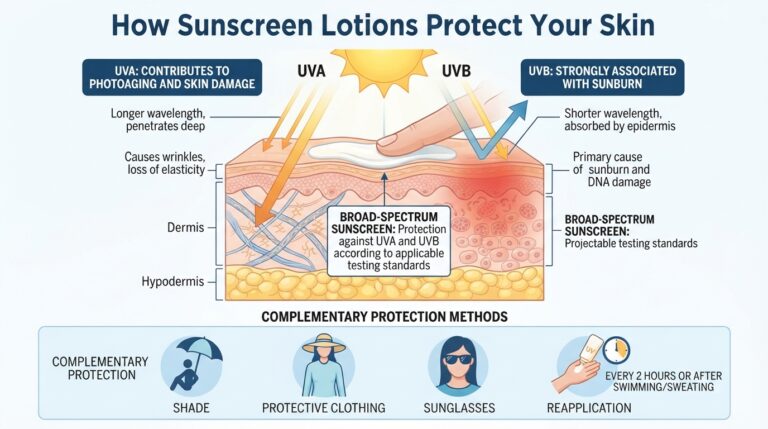
Before diving into the specifics of winter sun protection, it’s crucial to understand how UV rays work. UV radiation from the sun is classified into two main types that can affect your skin:
- UVA rays: These rays penetrate deeply into the skin and are primarily responsible for skin aging and wrinkles. They are present all year round, even on cloudy days.
- UVB rays: These rays are responsible for causing sunburn and play a significant role in developing skin cancer. While their intensity varies with the seasons, they can still be strong in winter, especially at higher altitudes and near reflective surfaces.
Why Wear Sunscreen in Winter?
Now that we know about UV rays, let’s discuss why it’s essential to wear sunscreen even when the temperatures drop:
1. UV Exposure Doesn’t Disappear
Many people mistakenly believe that UV rays are less potent in winter. However, this is far from the truth. Although UVB rays are less intense during the winter months, UVA rays remain a constant threat. They can penetrate clouds and glass, meaning that even if you’re indoors, you could still be exposed.
2. Reflection and Altitude
Snow and ice can reflect up to 80% of UV rays, increasing your risk of exposure significantly. If you enjoy winter sports or spend time outdoors in snowy conditions, wearing sunscreen becomes even more crucial. Furthermore, at higher altitudes, UV radiation increases, making it essential for skiers and snowboarders to apply sunscreen regularly.
3. Protecting Against Skin Damage
Prolonged exposure to UV rays can lead to various skin issues, including:
- Premature aging, such as wrinkles and fine lines
- Sunburn, which can occur even in winter
- Increased risk of skin cancer
By applying sunscreen, you can help protect your skin from these harmful effects.
Choosing the Right Sunscreen for Winter
Not all sunscreens are created equal, and choosing the right one for winter is essential. Here are some factors to consider:
1. Broad-Spectrum Protection
Look for a sunscreen that offers broad-spectrum protection, meaning it protects against both UVA and UVB rays. This ensures comprehensive coverage for your skin.
2. SPF Rating
The American Academy of Dermatology recommends using a sunscreen with an SPF of at least 30. This level provides adequate protection for most skin types, even in winter conditions.
3. Water Resistance
If you are skiing or engaging in other winter sports, opt for a water-resistant sunscreen. This will help ensure that the sunscreen stays effective even if you sweat or wipe your face.
How to Apply Sunscreen in Winter
Applying sunscreen correctly is just as important as choosing the right product. Follow these steps for optimal protection:
1. Apply Generously
Use about one ounce (a shot glass full) of sunscreen to cover your entire body. Don’t forget areas like your ears, neck, and the tops of your feet.
2. Timing Matters
Apply sunscreen at least 15 minutes before going outdoors to allow it to absorb into your skin effectively. Reapply every two hours, or more frequently if you are sweating or engaging in water activities.
3. Layering with Moisturizer
Winter air can be dry, so consider layering your sunscreen with a moisturizer. This can help hydrate your skin while providing sun protection.
Additional Winter Skincare Tips
In addition to wearing sunscreen, there are other steps you can take to protect your skin during the winter months:
1. Stay Hydrated
Drink plenty of water to keep your skin hydrated from the inside out. Dehydration can lead to dry, flaky skin, making it more susceptible to damage.
2. Use a Humidifier
Using a humidifier indoors can help maintain moisture levels in the air, preventing your skin from drying out.
3. Opt for Gentle Cleansers
Choose mild, hydrating cleansers to avoid stripping your skin of its natural oils. Harsh soaps can exacerbate dryness during winter.
4. Protect Your Lips and Eyes
Don’t forget to apply lip balm with SPF and wear sunglasses to protect your eyes from UV rays and harsh winter winds.
Myths About Sunscreen in Winter
Despite the overwhelming evidence supporting the need for sunscreen in winter, several myths persist. Here are a few common misconceptions:
1. “I Don’t Need Sunscreen on Cloudy Days”
As mentioned earlier, up to 80% of UV rays can penetrate clouds. Always wear sunscreen regardless of the weather.
2. “I Only Need Sunscreen When It’s Hot”
Sun damage can occur at any time of the year, not just in summer. Make sunscreen a year-round habit.
3. “Sunscreen Is Only for Fair Skin”
People of all skin tones can suffer from UV damage. Everyone should wear sunscreen, regardless of their skin color.
Conclusion: Prioritize Your Skin Health
So, should I wear sunscreen in the winter? The answer is a resounding yes! Wearing sunscreen during winter is vital for protecting your skin from harmful UV rays, preventing premature aging, and reducing your risk of skin cancer. By choosing the right sunscreen and incorporating it into your daily skincare routine, you can enjoy the winter months while keeping your skin healthy and vibrant.
Incorporate sunscreen into your daily regimen, stay informed about sun safety, and embrace a proactive approach to skincare. Your skin will thank you for it!