
When it comes to sun safety, many people wonder, does sunscreen stop tanning? The answer is not as straightforward as one might think. While sunscreen is essential for protecting your skin from harmful UV rays, understanding its effectiveness in preventing tanning requires a deeper dive into how sunscreens work and the nature of tanning itself.
The Science Behind Tanning
Tanning is a natural response of your skin to UV radiation. When your skin is exposed to sunlight, it produces more melanin, the pigment responsible for skin color. This process is your body’s way of protecting deeper layers of skin from damage caused by UV rays.
Types of UV Rays
There are two primary types of UV rays that affect the skin:
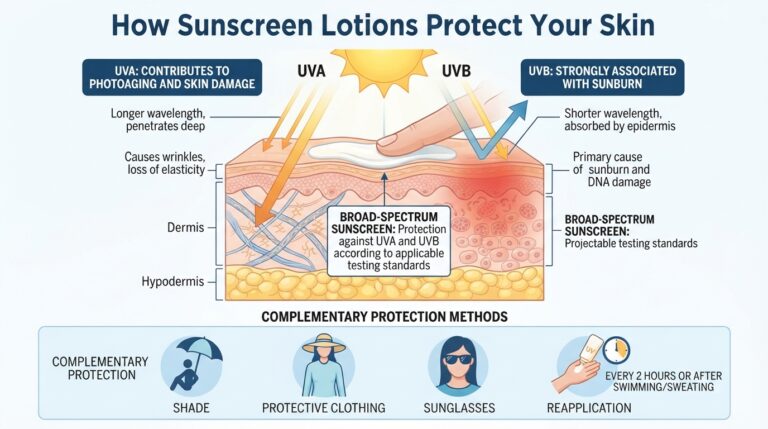
- UVA Rays: These rays penetrate deeply into the skin and are primarily responsible for aging and long-term skin damage.
- UVB Rays: These rays are responsible for causing sunburn and play a significant role in the development of skin cancer.
How Tanning Occurs
When your skin is exposed to UV rays, it triggers the melanocytes (melanin-producing cells) to produce more melanin. This process can lead to a darker skin tone, commonly referred to as a tan. However, this is not a sign of healthy skin; it indicates that your skin is trying to protect itself from further UV damage.
Understanding Sunscreen
Sunscreen is a lotion, spray, gel, or other topical product that absorbs or reflects sunlight to protect the skin from UV rays. The main goal of sunscreen is to reduce the risk of sunburn, skin damage, and skin cancer.
How Sunscreen Works
Sunscreens contain active ingredients that fall into two categories:
- Chemical Filters: These ingredients absorb UV radiation and convert it into heat, which is then released from the skin. Common chemical filters include avobenzone, octisalate, and octocrylene.
- Physical (Mineral) Filters: These ingredients, such as zinc oxide and titanium dioxide, sit on the skin’s surface and reflect UV rays away from the skin.
SPF: What Does It Mean?
SPF, or Sun Protection Factor, indicates the level of protection a sunscreen offers against UVB rays. For example, an SPF of 30 means it would take 30 times longer for your skin to burn than without the sunscreen. However, it’s crucial to note that no sunscreen can block 100% of UV rays.
Does Sunscreen Stop Tanning?
The short answer is that while sunscreen can significantly reduce tanning, it does not entirely stop it. Here’s why:
Limitations of Sunscreen
Even the most effective sunscreen cannot block all UV rays. Here are some factors that influence its effectiveness:
- Application: Sunscreen must be applied generously and evenly to cover all exposed areas. A common mistake is applying too little, which can significantly decrease its effectiveness.
- Reapplication: Sunscreen should be reapplied every two hours, or more frequently if swimming or sweating. Failure to reapply can lead to decreased protection.
- Water Resistance: Some sunscreens are labeled as water-resistant, but this doesn’t mean they are waterproof. Always check the label and reapply after swimming.
Real-Life Implications
Even with proper use, many people still experience some degree of tanning. For example:
- Individuals with fair skin may find that even with high-SPF sunscreen, they still develop a light tan after prolonged sun exposure.
- People who spend extended time outdoors without seeking shade may also notice tanning, despite using sunscreen.
How to Minimize Tanning While Using Sunscreen
If you’re looking to minimize tanning while enjoying the sun, consider these tips:
Choose the Right Sunscreen
Look for a broad-spectrum sunscreen with an SPF of at least 30 that protects against both UVA and UVB rays. Also, consider sunscreens that contain physical blockers, as they can provide immediate protection upon application.
Apply Generously and Frequently
Apply about one ounce (a shot glass full) to your entire body, and don’t forget areas like your ears, back of your neck, and the tops of your feet. Reapply every two hours, or immediately after swimming or sweating.
Seek Shade
Whenever possible, try to stay in the shade, especially during peak sun hours, typically between 10 a.m. and 4 p.m.
Wear Protective Clothing
Consider wearing long sleeves, wide-brimmed hats, and UV-protective sunglasses to shield your skin from direct sunlight.
Common Myths about Sunscreen and Tanning
There are several myths surrounding sunscreen and its effectiveness in preventing tanning. Let’s debunk some of these:
Myth 1: Sunscreen Prevents All Tanning
As discussed, sunscreen significantly reduces the chances of tanning but does not eliminate it entirely.
Myth 2: Higher SPF Means No Tanning
While higher SPF offers more protection, it does not guarantee that you won’t tan. Proper application and reapplication are critical regardless of SPF.
Myth 3: You Don’t Need Sunscreen on Cloudy Days
Up to 80% of UV rays can penetrate clouds, so sunscreen is still necessary, even on overcast days.
Conclusion
In summary, does sunscreen stop tanning? Not entirely, but it plays a vital role in minimizing the effects of UV exposure. By understanding how sunscreen works, choosing the right product, and applying it correctly, you can protect your skin from harmful rays while enjoying the outdoors. Remember, sun safety is a lifelong commitment, and taking the right precautions can help maintain healthy skin for years to come.