
As we become increasingly aware of the impact human activities have on marine life, the question of what kind of sunscreen is reef safe has gained significant attention. Coral reefs, often referred to as the rainforests of the sea, are vital to oceanic ecosystems, yet they are under threat from pollution, climate change, and certain chemical ingredients found in many sunscreens. This article will guide you through the importance of choosing reef-safe sunscreens and how to make informed choices for both your skin and the environment.
The Importance of Reef-Safe Sunscreens
Coral reefs are delicate ecosystems that support a diverse range of marine life. Unfortunately, they are highly susceptible to damage from harmful chemicals. Sunscreens that contain certain ingredients can contribute to coral bleaching and the eventual death of these vital creatures. According to research, up to 14,000 tons of sunscreen enter coral reefs each year, exacerbating the challenges these ecosystems already face.
What Makes a Sunscreen Reef-Safe?
When considering what kind of sunscreen is reef safe, it’s essential to focus on the ingredients. Reef-safe sunscreens typically avoid harmful chemicals that can adversely affect marine life. Here are key attributes:
- Physical (Mineral) Ingredients: These sunscreens generally contain zinc oxide and titanium dioxide, which sit on the skin’s surface and reflect UV rays instead of absorbing them.
- No Harmful Chemicals: Reef-safe sunscreens are free from ingredients like oxybenzone, octinoxate, and octocrylene, which have been shown to damage coral reefs.
- Biodegradable Formulas: Look for products that are designed to break down naturally in the environment.
Ingredients to Avoid
When searching for a reef-safe sunscreen, it’s crucial to understand which ingredients pose a threat to coral reefs and marine life. Here’s a list of common harmful ingredients that you should avoid:
- Oxybenzone: Linked to coral bleaching, it can also disrupt the hormonal systems of marine organisms.
- Octinoxate: Known to cause developmental issues in sea life and contribute to coral bleaching.
- Octocrylene: Can accumulate in coral and lead to detrimental effects on their health.
- Parabens and Synthetic Fragrances: These can be harmful to marine life and contribute to pollution.
Recognizing Reef-Safe Labels
With the growing demand for eco-friendly products, many brands are now marketing their sunscreens as “reef-safe.” However, not all claims are created equal. Here are some tips for identifying truly reef-safe products:
- Check the Ingredients: Always read the label carefully, focusing on the ingredients mentioned above.
- Look for Certifications: Some products may carry certifications from environmental organizations that affirm their reef-safe claims.
- Research the Brand: Brands that prioritize sustainability often provide detailed information about their sourcing and manufacturing practices.
Benefits of Choosing Reef-Safe Sunscreens
Opting for reef-safe sunscreen not only benefits the environment but also your skin and health. Here are some advantages:
- Healthier Skin: Mineral sunscreens are less likely to irritate the skin and are often better for sensitive skin types.
- Environmental Impact: Protecting coral reefs contributes to the overall health of the ocean and its ecosystems.
- Support for Sustainable Brands: Choosing eco-friendly products encourages companies to continue producing sustainable options.
Popular Reef-Safe Sunscreen Brands
With the rise of eco-conscious consumerism, numerous brands have emerged that prioritize reef-safe formulations. Here are some popular options to consider:
| Brand | Key Features |
|---|---|
| Badger | 100% mineral sunscreen, biodegradable, and certified organic ingredients. |
| SunBum | Broad-spectrum protection, made without harmful chemicals, and reef-friendly. |
| Thinksport | Non-toxic, high-performance, and free from harmful ingredients. |
| Blue Lizard | Mineral-based, sensitive skin formulation, and triggers color-change bottle in UV light. |
How to Apply Sunscreen Properly
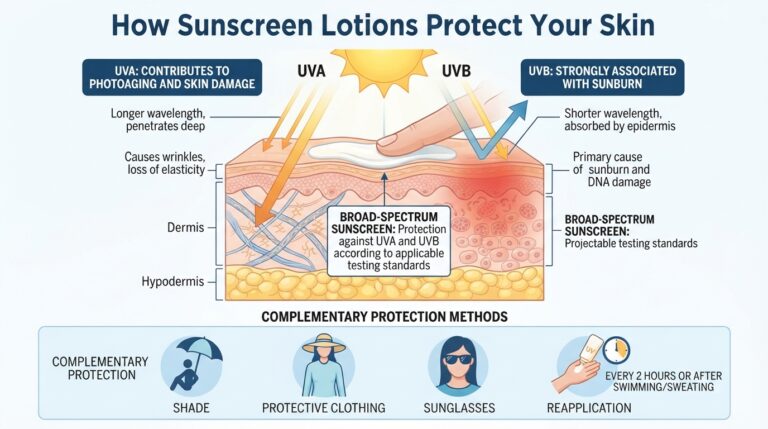
Using reef-safe sunscreen is just one part of protecting your skin and the environment. Proper application is essential for effective protection. Here’s how to apply sunscreen correctly:
- Apply Generously: Use about one ounce (a shot glass full) for full body coverage.
- Apply Before Sun Exposure: Put on sunscreen at least 15-30 minutes before going outdoors to allow it to absorb.
- Reapply Often: Reapply every two hours, or more frequently if swimming or sweating.
- Don’t Forget Areas: Be sure to cover often-missed spots like ears, feet, and the back of the legs.
Additional Tips for Sun Protection
While sunscreen is an essential part of sun protection, it’s not the only line of defense. Here are some additional tips to keep in mind:
- Seek Shade: Especially during peak sun hours (10 AM – 4 PM).
- Wear Protective Clothing: Long-sleeved shirts, wide-brimmed hats, and UV-protective swimwear can provide extra protection.
- Use Sunglasses: Protect your eyes with UV-blocking sunglasses to prevent damage.
Conclusion
Choosing the right sunscreen is not just about protecting your skin; it’s about safeguarding our oceans and the intricate ecosystems they support. By understanding what kind of sunscreen is reef safe, you can make informed choices that benefit both your health and the environment. Remember to look for mineral-based options, avoid harmful chemicals, and support brands committed to sustainability. Every small choice contributes to a larger impact, so let’s work together to protect our precious coral reefs for generations to come.