
As summer approaches and outdoor activities beckon, the question arises: does sunscreen block vitamin D? Many people are concerned that applying sunscreen may inhibit the body’s ability to produce this essential vitamin. Understanding the relationship between sunscreen and vitamin D is crucial for maintaining both skin health and overall wellness.
What is Vitamin D and Why is it Important?
Vitamin D plays several vital roles in our body, including:
- Bone Health: Vitamin D is essential for calcium absorption, which helps maintain strong bones and teeth.
- Immune Function: It supports the immune system, helping the body fight off infections.
- Muscle Function: Adequate vitamin D levels are crucial for maintaining muscle strength and function.
- Chronic Disease Prevention: Some studies suggest that vitamin D may play a role in reducing the risk of certain chronic diseases, including heart disease and diabetes.
How is Vitamin D Produced?
Vitamin D is unique because our bodies can produce it when exposed to sunlight. Specifically, when ultraviolet B (UVB) rays hit the skin, a chemical reaction occurs, converting a cholesterol derivative in the skin into vitamin D3, the active form of vitamin D. However, several factors can influence this process:
- Geographical Location: People living closer to the equator typically get more UVB exposure than those in northern regions.
- Skin Type: Melanin, the pigment that gives skin its color, absorbs UVB rays, affecting vitamin D production. Individuals with darker skin may require longer sun exposure to produce the same amount of vitamin D as those with lighter skin.
- Time of Year: In winter months, especially in higher latitudes, UVB rays are less intense, which can limit vitamin D synthesis.
- Time of Day: UVB rays are most intense between 10 a.m. and 4 p.m., making this the best time for vitamin D synthesis.
The Role of Sunscreen in Skin Protection
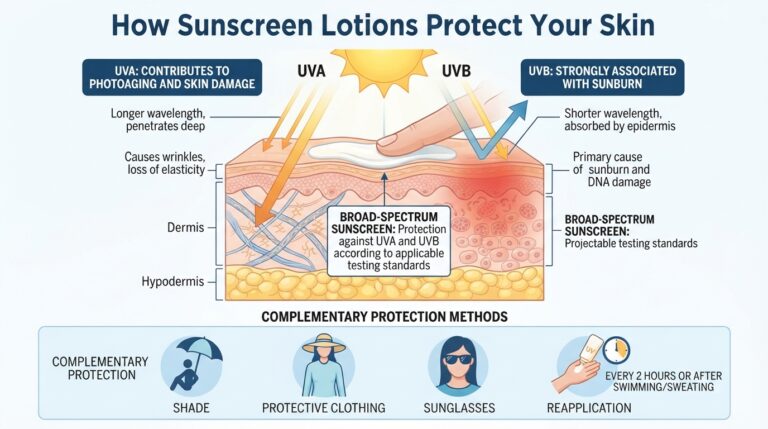
Sunscreen is a crucial tool in protecting the skin from harmful UV radiation, which can lead to skin cancer, premature aging, and other skin conditions. The active ingredients in sunscreen work by either absorbing or reflecting UV radiation. Here’s how they function:
- Chemical Sunscreens: These absorb UV radiation and convert it into heat, which is then released from the skin.
- Physical (Mineral) Sunscreens: These contain ingredients like zinc oxide or titanium dioxide, which sit on the skin’s surface and deflect UV rays away from the skin.
Does Sunscreen Block Vitamin D Production?
This is the crux of the matter: does sunscreen block vitamin D production? The short answer is yes, it can reduce the amount of UVB radiation that reaches the skin, thereby hindering vitamin D synthesis. However, several factors come into play:
1. SPF Levels
The Sun Protection Factor (SPF) indicates how well a sunscreen protects against UVB rays. Higher SPF values can block more UVB rays, potentially reducing vitamin D synthesis. For instance:
| SPF Level | UVB Protection |
|---|---|
| 15 | 93% |
| 30 | 97% |
| 50 | 98% |
2. Application Amount
Most people do not apply enough sunscreen to achieve the level of protection indicated on the label. For effective protection, the recommended amount is about:
- 1 ounce (about a shot glass full) for the entire body.
- 1 teaspoon for the face.
If less sunscreen is applied, there may be a higher chance of vitamin D production, even with sunscreen on.
3. Duration of Sun Exposure
Short, controlled periods of sun exposure without sunscreen can help increase vitamin D levels. Experts suggest that about 10 to 30 minutes of midday sun exposure several times a week can suffice for adequate vitamin D synthesis for most people. However, this varies based on skin type, location, and time of year.
Balancing Sun Protection with Vitamin D Needs
Given the risks of skin cancer and other skin issues, it’s crucial to find a balance between protecting your skin and ensuring adequate vitamin D levels. Here are some strategies:
1. Optimize Sun Exposure
Consider the following for safe sun exposure:
- Spend short periods in the sun without sunscreen, especially during midday when UVB rays are strongest.
- Limit sun exposure based on skin sensitivity and geographical location.
- Use protective clothing or hats during prolonged sun exposure.
2. Dietary Sources of Vitamin D
If you’re concerned about vitamin D levels, consider incorporating vitamin D-rich foods into your diet:
- Fatty fish (salmon, mackerel, sardines)
- Egg yolks
- Fortified foods (milk, orange juice, and cereals)
- Mushrooms exposed to UV light
3. Supplements
For those who have limited sun exposure or difficulty absorbing vitamin D from food, supplements can be an effective way to maintain adequate levels. Before starting any supplement regimen, consult with a healthcare professional for personalized advice.
Conclusion: Finding the Right Balance
In conclusion, while sunscreen can reduce vitamin D production by blocking UVB rays, it is essential for protecting against skin damage and cancer. The key is finding a balance that allows for sufficient vitamin D synthesis without compromising skin health. By optimizing sun exposure, considering dietary sources, and using supplements when necessary, you can achieve healthy vitamin D levels while still practicing safe sun protection.
Understanding the relationship between sunscreen and vitamin D is vital for making informed choices about sun safety. Always consult with a healthcare provider for personalized advice tailored to your health needs and circumstances.