
As the sun comes out and the temperatures rise, many people eagerly head outdoors, ready to soak up some rays. But a common question arises: can you still tan with sunscreen? The answer is a bit more complex than a simple yes or no. Understanding how sunscreen works, its effectiveness, and how to use it properly can help you enjoy the sun while protecting your skin.
How Sunscreen Works
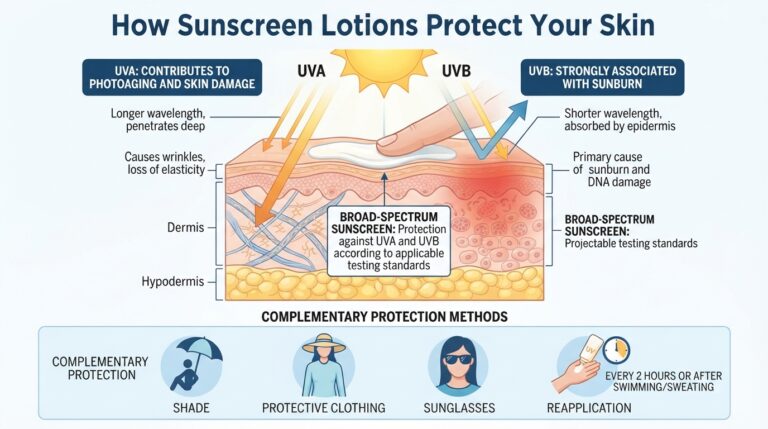
To grasp whether you can still tan while wearing sunscreen, it’s essential to understand how this product functions. Sunscreen is designed to protect the skin from harmful ultraviolet (UV) rays emitted by the sun. There are two types of UV rays:
- UVA Rays: These rays penetrate deep into the skin and are primarily responsible for aging and long-term skin damage.
- UVB Rays: These rays are responsible for sunburn and play a significant role in developing skin cancer.
Sunscreen works by either absorbing or reflecting these UV rays. The effectiveness of sunscreen is measured by its Sun Protection Factor (SPF) rating, which indicates how long it will protect your skin from UVB rays compared to unprotected skin.
Understanding SPF and Its Limitations
What Does SPF Mean?
SPF measures how long you can stay in the sun without getting sunburned. For example, if you usually burn after 10 minutes in the sun, applying an SPF 30 sunscreen theoretically allows you to stay in the sun 30 times longer—about 300 minutes—without burning.
Limitations of SPF
However, it’s crucial to understand that SPF only measures protection against UVB rays. It does not account for UVA rays, which are equally harmful. Additionally, several factors can affect the effectiveness of sunscreen, including:
- Skin type and tone
- Amount of sunscreen applied
- Water exposure
- Frequency of reapplication
- Environmental conditions (e.g., clouds, altitude, reflective surfaces)
Can You Tan While Wearing Sunscreen?
Now, let’s answer the burning question: can you still tan with sunscreen? The short answer is yes. Sunscreen does not completely block UV rays; rather, it reduces their intensity. Here are some key points to consider:
1. Sunscreen Reduces UV Exposure
While sunscreen significantly decreases the amount of UV radiation that reaches your skin, it does not eliminate it entirely. This means that although you are protected from severe burns, some UV rays can still penetrate, leading to tanning.
2. Tanning is a Skin Response
Tanning occurs when your skin produces more melanin, the pigment responsible for skin color, in response to UV exposure. Even with sunscreen, your skin can still produce melanin, resulting in a tan.
3. Choosing the Right Sunscreen
If your goal is to achieve a tan while minimizing the risk of skin damage, consider the following when selecting sunscreen:
- Broad-Spectrum Protection: Look for sunscreens labeled as “broad-spectrum,” which protect against both UVA and UVB rays.
- SPF Rating: Choose a sunscreen with an SPF of at least 30 for adequate protection.
- Water Resistance: If you plan to swim or sweat, opt for water-resistant formulations.
How to Tan Safely with Sunscreen
If you’re determined to tan while using sunscreen, it’s essential to do so safely. Here are some practical tips to help you achieve a sun-kissed glow without compromising your skin health:
1. Apply Generously and Evenly
One of the most common mistakes people make is not applying enough sunscreen. For effective protection, apply about an ounce (a shot glass full) of sunscreen to cover your entire body. Don’t forget areas like the ears, back of the neck, and tops of the feet.
2. Reapply Regularly
Reapply sunscreen every two hours, or more frequently if you are swimming or sweating. Even water-resistant sunscreens can wear off after some time.
3. Time Your Sun Exposure
The sun’s rays are strongest between 10 AM and 4 PM. To minimize the risk of burning while still allowing for some tanning, consider limiting your sun exposure during these peak hours. Instead, try early morning or late afternoon sunbathing.
4. Monitor Your Skin
Pay attention to how your skin reacts to sun exposure. If you notice any signs of burning, seek shade immediately and apply more sunscreen. Remember that it’s better to have a light tan than to risk severe sunburn.
Alternatives to Natural Tanning
If you’re concerned about the risks associated with UV exposure, consider safer alternatives for achieving a bronzed look:
1. Self-Tanners
Self-tanners are a popular option for those who want to achieve a tan without sun exposure. These products contain dihydroxyacetone (DHA), which reacts with the skin’s surface to create a tanned appearance.
2. Spray Tans
Spray tanning is another way to achieve a sun-kissed glow without sun exposure. It is typically offered at salons and involves applying a fine mist of tanning solution to the skin.
3. Tanning Lotions
Like self-tanners, tanning lotions can help deepen your skin tone without exposure to harmful UV rays. Look for products with natural ingredients for the best results.
The Importance of Skin Protection
Regardless of your tanning goals, protecting your skin from UV damage is crucial. Long-term exposure to UV rays can lead to skin cancer, premature aging, and other skin-related issues. Here are some reminders for maintaining skin health:
- Use a broad-spectrum sunscreen daily, even on cloudy days.
- Wear protective clothing, such as hats and long sleeves, when outdoors.
- Seek shade whenever possible, especially during peak sun hours.
- Stay hydrated and maintain a healthy diet to support skin health.
Conclusion
In summary, the answer to the question “can you still tan with sunscreen?” is yes, but with important caveats. Sunscreen offers vital protection against harmful UV rays while allowing for some tanning. By understanding how sunscreen works, applying it correctly, and practicing safe sun exposure, you can enjoy the sun responsibly. Always remember that the health of your skin should be your top priority, and consider safer alternatives if you’re concerned about UV exposure. Embrace the sun wisely, and your skin will thank you for it!