

As the sun rises each day, many people engage in their morning routines without giving a second thought to whether they need to wear sunscreen indoors. However, this seemingly simple question has important implications for skin health and protection. In this blog post, we will explore the necessity of sunscreen usage indoors, the types of UV rays that can penetrate indoor environments, and practical tips for maintaining healthy skin.
The Science of UV Rays
To understand whether you need to wear sunscreen indoors, it’s essential to grasp the basics of ultraviolet (UV) radiation. UV rays come primarily from the sun and are classified into three main types:
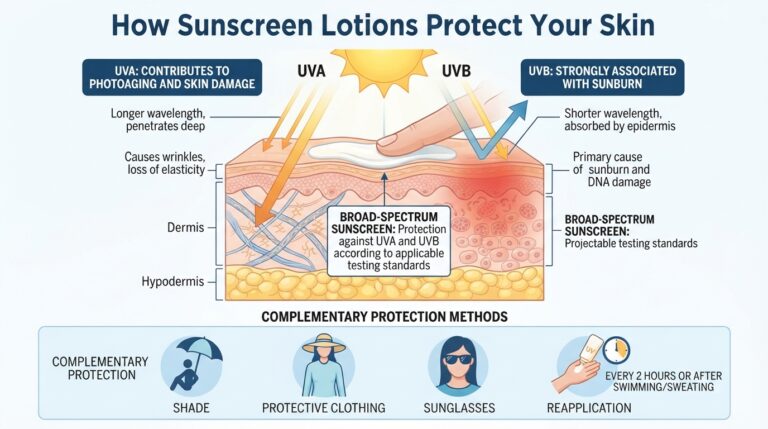
- UVA Rays: These rays can penetrate deep into the skin and are primarily responsible for skin aging and long-term skin damage. UVA rays are present during all daylight hours and can pass through windows.
- UVB Rays: These rays are responsible for causing sunburn and are more intense during midday. Unlike UVA rays, UVB rays do not penetrate glass effectively.
- UVC Rays: These rays are the most harmful but are mostly absorbed by the Earth’s atmosphere, making them less of a concern for everyday exposure.
Indoor Exposure to UVA Rays
While many people believe that staying indoors protects them from harmful UV exposure, this is not entirely true. UVA rays can penetrate glass, which means you can still be exposed to them while sitting by a window or inside a car. Research has shown that:
- Up to 50% of UVA rays can penetrate through glass.
- People who spend significant time near windows, such as those working in offices, are at risk for cumulative skin damage.
The Risks of Neglecting Sunscreen Indoors
For those who question, “Do you need to wear sunscreen indoors?” the answer is a resounding yes if you spend extended periods near windows. Failing to use sunscreen can lead to several issues:
Skin Aging
Prolonged UVA exposure can accelerate skin aging, leading to:
- Fine lines and wrinkles
- Loss of elasticity
- Hyperpigmentation and age spots
Increased Risk of Skin Cancer
According to the Skin Cancer Foundation, about 90% of nonmelanoma skin cancers and 85% of melanoma cases can be attributed to UV radiation exposure. Even indoor exposure contributes to this risk over time.
How to Choose the Right Sunscreen
If you decide to wear sunscreen indoors, it’s crucial to select the right product. Here are some factors to consider:
- Broad-Spectrum Protection: Look for sunscreens labeled as “broad-spectrum,” which means they protect against both UVA and UVB rays.
- SPF Rating: Choose a sunscreen with an SPF of at least 30 for adequate protection.
- Water Resistance: If you sweat or are near water, consider a water-resistant formula.
- Skin Type Compatibility: Select a sunscreen that caters to your skin type, whether it’s oily, dry, or sensitive.
Practical Tips for Applying Sunscreen Indoors
Applying sunscreen indoors may seem unnecessary, but following these tips can help ensure you’re adequately protected:
When to Apply
Apply sunscreen every day, even on cloudy days. UV rays can penetrate through clouds, and many people underestimate their exposure.
How Much to Use
Use about a nickel-sized amount for your face and a shot glass-sized amount for your entire body. Don’t forget commonly missed areas such as:
- Behind the ears
- Back of the neck
- Top of the feet
Reapplication
Reapply every two hours, or more frequently if you are sweating or in a humid environment. Consider using a spray sunscreen or powder sunscreen for easy reapplication throughout the day.
Additional Protective Measures
In addition to sunscreen, there are other ways to protect your skin from UV exposure indoors:
Wear Protective Clothing
Consider wearing long sleeves, pants, and hats when indoors if you’re near windows for extended periods. Fabrics with a tight weave or special UV protection can offer additional defense.
Use Window Films or UV-Blocking Shades
Installing UV-blocking window films or shades can significantly reduce indoor UV exposure. These options can be particularly beneficial for homes and offices with large windows.
Conclusion
In conclusion, the question, “Do you need to wear sunscreen indoors?” is one that requires careful consideration. With the knowledge that UVA rays can penetrate glass and contribute to skin aging and cancer risk, it becomes clear that sunscreen is a vital part of daily skincare, even when you’re inside. By choosing the right product, applying it correctly, and taking additional protective measures, you can significantly reduce your risk of skin damage. Remember, protecting your skin is a lifelong commitment, and every little bit helps in the fight against UV-related skin issues.
So, whether you’re working from home, relaxing by the window, or commuting in your car, don’t forget to apply that sunscreen. Your skin will thank you for it in the long run!