
In today’s world, protecting your skin from harmful UV rays is more important than ever, and this is where mineral sunscreen comes into play. Understanding why mineral sunscreen should be your go-to choice can significantly enhance your skin health and overall well-being.
Understanding Mineral Sunscreen
Mineral sunscreen, also known as physical sunscreen, primarily contains active mineral ingredients such as zinc oxide and titanium dioxide. These ingredients work by sitting on top of the skin and reflecting UV rays away, unlike chemical sunscreens that absorb UV radiation. This fundamental difference is why many dermatologists recommend mineral sunscreen for a variety of skin types and concerns.
How Does Mineral Sunscreen Work?
Mineral sunscreen acts as a physical barrier between your skin and the sun. Here’s how it functions:
- Reflects UV Rays: Zinc oxide and titanium dioxide physically block and reflect both UVA and UVB rays.
- Immediate Protection: Unlike chemical sunscreens that require time to absorb, mineral sunscreens provide instant protection upon application.
- Long-lasting: They are often more stable in sunlight and less likely to break down, providing consistent protection.
The Benefits of Using Mineral Sunscreen
Choosing mineral sunscreen over chemical options comes with numerous advantages. Here are some key benefits that highlight its importance:
1. Broad Spectrum Protection
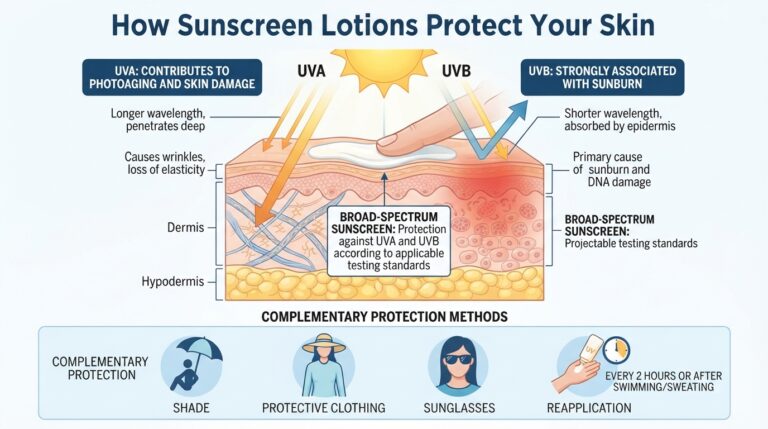
Mineral sunscreens offer broad-spectrum protection, shielding the skin from both UVA and UVB rays. This dual protection is critical, as UVA rays can cause premature aging and skin cancer, while UVB rays are the primary cause of sunburn. According to the Skin Cancer Foundation, using broad-spectrum protection can significantly reduce the risk of skin cancer and other skin-related issues.
2. Suitable for Sensitive Skin
If you have sensitive skin, mineral sunscreen is often the best choice. Here’s why:
- Fewer Irritants: Mineral sunscreens typically contain fewer synthetic chemicals, which reduces the likelihood of irritation.
- Non-comedogenic: They are less likely to clog pores, making them suitable for acne-prone skin.
3. Environmentally Friendly
In recent years, many chemical sunscreens have been found to harm marine life, particularly coral reefs. Mineral sunscreens, especially those labeled as “reef-safe,” do not contain harmful chemicals like oxybenzone or octinoxate, making them a more environmentally conscious choice.
How to Choose the Right Mineral Sunscreen
With a variety of mineral sunscreens on the market, selecting the right product can be daunting. Here are some factors to consider when making your choice:
1. SPF Rating
The SPF (Sun Protection Factor) rating indicates the level of protection against UVB rays. Dermatologists recommend using a broad-spectrum sunscreen with an SPF of at least 30 for daily wear. However, those with fair skin or specific conditions may benefit from higher SPF ratings.
2. Ingredients
Check the ingredient list for the following:
- Zinc Oxide: Offers broad-spectrum UV protection.
- Titanium Dioxide: Also provides UV protection and is often used in combination with zinc oxide.
- Additional Ingredients: Look for antioxidants like vitamin E or green tea extract for added skin benefits.
3. Water Resistance
If you plan on swimming or sweating, opt for a water-resistant mineral sunscreen. These products are designed to maintain their SPF protection for a longer duration when exposed to water or perspiration.
Application Tips for Mineral Sunscreen
Proper application of mineral sunscreen is essential to ensure maximum protection. Follow these steps for effective use:
- Apply Generously: Use about one ounce (a shot glass full) to cover your entire body.
- Apply Before Sun Exposure: Apply at least 15 minutes before going outside to allow the sunscreen to form a protective barrier.
- Reapply Regularly: Reapply every two hours or immediately after swimming or sweating.
Common Misconceptions About Mineral Sunscreen
Despite its many benefits, there are several misconceptions surrounding mineral sunscreen. Let’s debunk a few:
1. It Leaves a White Cast
While traditional mineral sunscreens often left a noticeable white cast, newer formulations have improved significantly with the use of micronized and tinted particles that blend better with various skin tones.
2. It’s Only for Summer
Many people believe that sunscreen is only necessary during the summer months. However, UV rays can penetrate clouds and affect your skin year-round. Therefore, using mineral sunscreen daily is crucial, regardless of the season.
3. Higher SPF Means Better Protection
While a higher SPF does provide more protection, the difference is not as significant as many think. For example, SPF 30 blocks about 97% of UVB rays, while SPF 50 blocks approximately 98%. The key is consistent and adequate application rather than solely relying on a high SPF.
Conclusion
In conclusion, the benefits of mineral sunscreen are numerous and undeniable. From providing broad-spectrum protection to being suitable for sensitive skin and environmentally friendly, mineral sunscreen emerges as a superior choice for anyone looking to protect their skin from harmful UV rays. By understanding how to choose and apply mineral sunscreen effectively, you can enjoy the outdoors while keeping your skin safe and healthy.
Make mineral sunscreen a part of your daily skincare routine, and take a proactive step towards maintaining your skin’s health for years to come.