
The question of whether you can still get a tan with sunscreen is one that many people ponder as summer approaches. While sunscreen is essential for protecting your skin from harmful UV rays, it can also influence your tanning results. Understanding how sunscreen works and its role in tanning is crucial for achieving a safe and healthy glow without compromising skin health.
The Basics of Sunscreen and UV Radiation
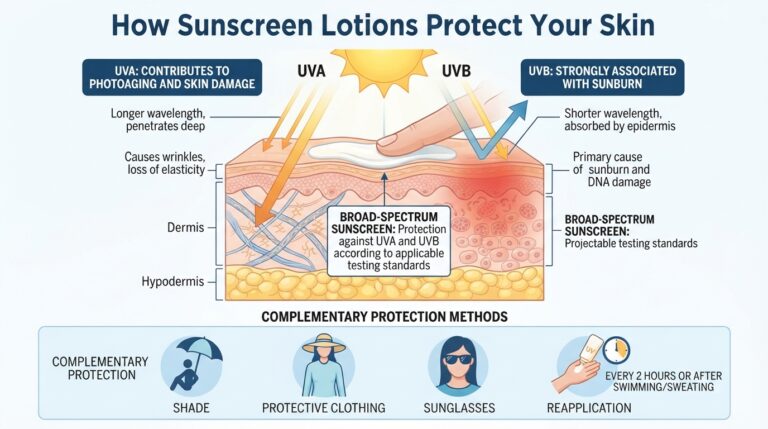
To understand whether you can still get a tan with sunscreen, it’s vital to grasp the basics of how sunscreen protects your skin. Sunscreens are formulated to absorb, reflect, or scatter UV radiation, which is divided into two main types:
- UVA Rays: These rays penetrate the skin more deeply and are primarily responsible for premature aging and skin cancer.
- UVB Rays: These rays affect the outer layer of the skin and are responsible for sunburn and stimulating the production of melanin, which leads to tanning.
How Sunscreen Works
Most sunscreens contain active ingredients that can either be chemical or physical (mineral) blockers. Here’s how they function:
Chemical Sunscreens
Chemical sunscreens contain organic compounds that absorb UV radiation and transform it into heat, which is then released from the skin. Common ingredients include:
- Oxybenzone
- Avobenzone
- Octisalate
- Octocrylene
Physical (Mineral) Sunscreens
Physical sunscreens utilize minerals like zinc oxide and titanium dioxide to create a physical barrier on the skin that reflects and scatters UV rays. These are generally considered less irritating and are often recommended for sensitive skin.
Can You Still Get a Tan with Sunscreen?
The simple answer is yes, you can still get a tan while wearing sunscreen, but there are several factors to consider. Here’s a breakdown of what influences tanning while using sunscreen:
SPF and Its Role in Tanning
Sun Protection Factor (SPF) indicates the level of protection a sunscreen provides against UVB rays. It essentially measures how long you can stay in the sun without getting burned compared to not wearing any sunscreen. For example:
| SPF Rating | Time in Sun Without Burning |
|---|---|
| 15 | 150 minutes |
| 30 | 300 minutes |
| 50 | 500 minutes |
However, while a higher SPF can reduce the likelihood of burning, it does not completely block UV rays. This means that some UV radiation still reaches your skin, allowing you to tan.
The Importance of Reapplication
For effective sun protection and to maximize tanning, reapplication of sunscreen is crucial. It’s recommended to reapply every two hours, or more often if you’re swimming or sweating. Failing to reapply can lead to increased UV exposure, which can lead to skin damage and an uneven tan.
Factors That Affect Your Ability to Tan
Several factors can influence your tanning experience when using sunscreen:
Skin Type
Your natural skin type plays a significant role in how easily you can tan. Here’s a quick overview of skin types based on the Fitzpatrick scale:
- Type I: Very fair skin, always burns, never tans.
- Type II: Fair skin, burns easily, tans minimally.
- Type III: Medium skin, sometimes burns, gradually tans.
- Type IV: Olive skin, rarely burns, tans easily.
- Type V: Brown skin, very rarely burns, tans very easily.
- Type VI: Dark brown to black skin, never burns, deeply pigmented.
Duration of Sun Exposure
The longer you stay in the sun, the more likely you are to tan, even with sunscreen. However, it’s essential to balance exposure time with skin protection to avoid adverse effects.
Geographical Location
Your geographical location can significantly impact UV exposure. Areas closer to the equator receive more intense sunlight, increasing the potential for tanning, regardless of sunscreen use.
Tips for Safe Tanning with Sunscreen
If your goal is to achieve a tan while protecting your skin, consider the following tips:
Choose the Right Sunscreen
Select a broad-spectrum sunscreen with an SPF of at least 30. Broad-spectrum formulas protect against both UVA and UVB rays, which is essential for both skin health and effective tanning.
Apply Generously
Most people do not apply enough sunscreen, which diminishes its effectiveness. Use about one ounce (the size of a shot glass) for full body coverage. Don’t forget commonly missed areas such as:
- Ears
- Back of the neck
- Top of the feet
- Scalp (if not covered by hair)
Limit Midday Sun Exposure
The sun’s rays are most intense between 10 a.m. and 4 p.m. Try to limit your time in direct sunlight during these hours. If you are outside, seek shade periodically.
Gradual Tanning
Instead of prolonged sun exposure, aim for shorter sessions over several days. This approach allows your skin to adapt and develop a tan gradually, reducing the risk of burns.
Understanding Tanning Alternatives
If you’re concerned about the risks associated with sun exposure, there are alternatives to achieve a tanned look:
Self-Tanners
Self-tanning products can provide a bronzed appearance without sun exposure. These products often contain dihydroxyacetone (DHA), which reacts with the skin’s surface to create a tanned effect. Here are some self-tanning options:
- Lotions
- Mousses
- Sprays
- Wipes
Spray Tans
Professional spray tans offer a quick and even tan. This method is often used for special occasions and can be customized to your desired shade.
Conclusion
In summary, the question of can you still get a tan with sunscreen is a nuanced one. While sunscreen does provide a level of protection against UV rays, it does not entirely prevent tanning. By understanding how sunscreen works, the factors affecting tanning, and incorporating safe tanning practices, you can enjoy the sun while minimizing the risk of skin damage. Always prioritize skin health and consider alternatives if you’re concerned about the risks associated with UV exposure.