
The question of whether black people should wear sunscreen is one that often arises in discussions about skin health. While it might be a common belief that individuals with darker skin tones have a natural defense against sun damage, the reality is more complex. In this article, we will explore the reasons why sunscreen is essential for everyone, including those with darker skin, and provide insights into how to choose and apply it effectively.
The Science Behind Skin and Sun Damage
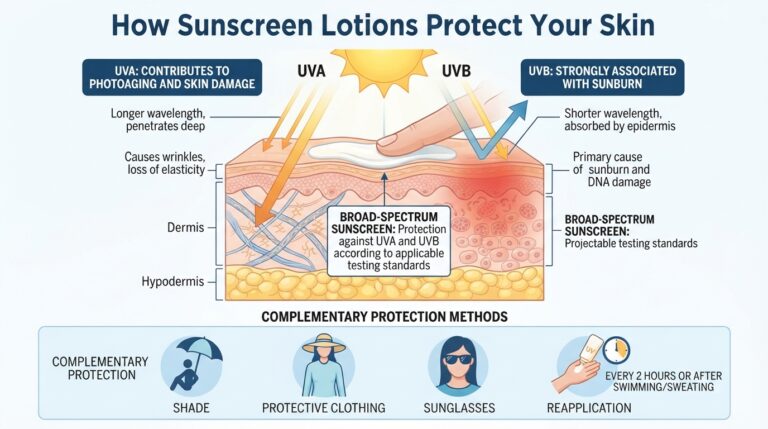
To understand the need for sunscreen, it’s crucial to grasp how UV rays affect the skin. The sun emits two primary types of ultraviolet (UV) radiation that can harm our skin:
- UVA Rays: These rays penetrate deep into the skin and can cause long-term damage, leading to premature aging and some skin cancers.
- UVB Rays: These rays are responsible for sunburn and play a significant role in the development of skin cancer.
While it’s true that melanin, the pigment responsible for skin color, provides some natural protection against UV radiation, this does not mean that individuals with darker skin are immune to its harmful effects. Studies show that:
- People with darker skin may have a lower risk of sunburn, but they can still suffer from skin damage, including hyperpigmentation and skin cancer.
- Skin cancer in people of color is often diagnosed at a later stage, which can lead to poorer outcomes.
Misconceptions About Sunscreen and Skin Tone
Despite the evidence supporting sun protection, misconceptions persist about the necessity of sunscreen for black individuals. Some of the most common myths include:
Myth 1: Dark Skin Doesn’t Burn
While it is true that darker skin has a higher SPF equivalent due to increased melanin, this does not provide complete protection. Studies indicate that individuals with darker skin can still experience sunburn, especially after prolonged sun exposure.
Myth 2: Sunscreen is Only Necessary on Sunny Days
UV rays can penetrate clouds and still cause skin damage on overcast days. Therefore, sunscreen should be part of your daily skincare routine, regardless of the weather.
Myth 3: A Higher SPF is Only for Fair Skin
Higher SPF formulations provide better protection for everyone. It is a common misconception that only those with lighter skin need higher SPF levels. In fact, dermatologists recommend using broad-spectrum sunscreens with an SPF of at least 30 for all skin types.
Benefits of Wearing Sunscreen for Black Individuals
Wearing sunscreen regularly has numerous benefits for individuals with darker skin tones, including:
- Prevention of Skin Cancer: Regular use of sunscreen can significantly reduce the risk of skin cancers, including melanoma, which can affect people of all skin colors.
- Reduction of Hyperpigmentation: Sunscreen helps prevent dark spots and uneven skin tone caused by sun exposure.
- Slowing Down Aging: Protecting the skin from UV rays can slow the signs of aging, such as wrinkles and fine lines.
Choosing the Right Sunscreen
When selecting a sunscreen, it’s essential to consider several factors to ensure optimal protection:
Types of Sunscreen
Sunscreens can be categorized into two main types:
- Chemical Sunscreens: These contain organic compounds that absorb UV radiation and convert it into heat, which is then released from the skin. They are often lighter and can be easier to apply.
- Physical (Mineral) Sunscreens: Containing active mineral ingredients like zinc oxide or titanium dioxide, these sit on the skin’s surface and reflect UV rays. They are often preferred for sensitive skin and provide broad-spectrum protection.
Key Ingredients to Look For
When choosing a sunscreen, look for the following:
- Broad-Spectrum Protection: Ensure it protects against both UVA and UVB rays.
- SPF 30 or Higher: This is the minimum recommended level of protection for all skin types.
- Water Resistance: If you plan to swim or sweat, choose a water-resistant formula.
How to Apply Sunscreen Effectively
Applying sunscreen correctly is just as important as choosing the right product. Follow these steps for effective application:
- Apply Generously: Use about an ounce (a shot glass full) for full body coverage.
- Don’t Forget Key Areas: Pay attention to often-missed spots like the ears, back of the neck, and tops of the feet.
- Apply Before Sun Exposure: Apply sunscreen at least 15-30 minutes before going outside to allow it to absorb into the skin.
- Reapply Regularly: Reapply every two hours, or more often if swimming or sweating.
Addressing Common Concerns
Some individuals may have concerns about wearing sunscreen, particularly those with darker skin tones. Here are some common issues and resolutions:
White Cast from Sunscreen
Many physical sunscreens can leave a white cast on darker skin. To avoid this, look for tinted mineral sunscreens or products specifically formulated for darker skin tones.
Skin Sensitivity and Breakouts
Some people may experience irritation or breakouts from certain sunscreens. If this happens, consider:
- Choosing non-comedogenic formulas, which are less likely to clog pores.
- Opting for mineral-based sunscreens, which are often gentler on the skin.
Conclusion: Embracing Sun Safety
In conclusion, the question of should black people wear sunscreen is met with a resounding yes. Sunscreen is a vital part of a comprehensive skincare routine that protects against harmful UV rays, reduces the risk of skin cancer, and prevents premature aging. By understanding the importance of sun protection and choosing the right products, individuals with darker skin can embrace healthier skin without the fear of sun damage.
Whether you’re enjoying a sunny day at the beach or running errands, remember to apply sunscreen daily. Your skin will thank you for it!