
As summer approaches and the sun shines brighter, many of us find ourselves asking, “Can you still tan with sunscreen on?” This question is crucial for anyone looking to enjoy the sun while also protecting their skin. In this blog post, we’ll explore the relationship between sunscreen, UV rays, and tanning, providing you with all the information you need to sunbathe safely.
Understanding Tanning and UV Rays
Before diving into the specifics of sunscreen, it’s essential to understand how tanning works. Tanning is your skin’s natural response to UV exposure. When your skin is exposed to ultraviolet (UV) rays, it increases melanin production, which darkens the skin in an effort to protect deeper layers from damage.
The Role of UV Rays
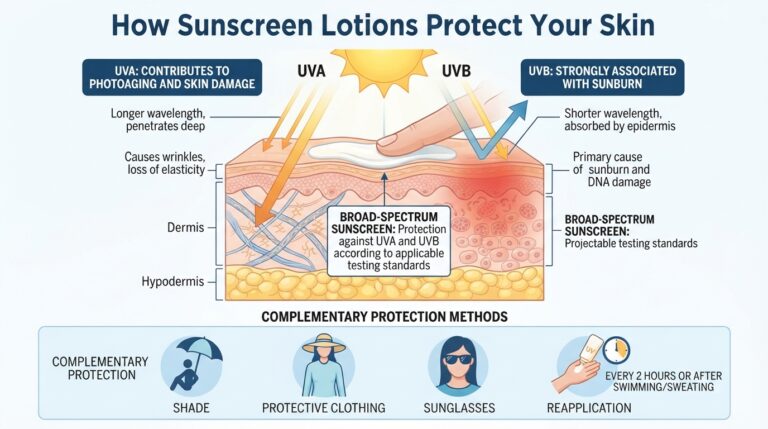
UV rays come in two main types: UVA and UVB. Each type affects your skin differently:
- UVA rays: These rays penetrate deeply into the skin and are primarily responsible for aging and long-term skin damage. They can also contribute to tanning.
- UVB rays: These rays are responsible for causing sunburn and play a significant role in the tanning process. UVB rays are more intense and fluctuate depending on the time of year and geographical location.
How Sunscreen Works
Sunscreens are formulated to protect your skin from the harmful effects of UV radiation. They work in two primary ways:
- Physical (mineral) sunscreens: These contain active mineral ingredients, such as zinc oxide or titanium dioxide, which sit on the surface of the skin and reflect UV rays away from the skin.
- Chemical sunscreens: These contain organic compounds that absorb UV radiation and transform it into heat, which is then released from the skin.
Can You Tan with Sunscreen On?
The short answer is yes, you can still tan while wearing sunscreen, but the extent of tanning depends on several factors, including:
SPF Level
The Sun Protection Factor (SPF) indicates how well a sunscreen can protect against UVB rays. Here’s a breakdown:
| SPF Level | UVB Protection |
|---|---|
| 15 | 93% UVB rays blocked |
| 30 | 97% UVB rays blocked |
| 50 | 98% UVB rays blocked |
The higher the SPF, the less UVB radiation reaches your skin, which can result in less tanning. However, even at SPF 30 or 50, some UV rays can still penetrate and lead to tanning.
Application and Reapplication
Proper application is crucial for maximizing sunscreen effectiveness. Here are some tips:
- Apply sunscreen generously to all exposed skin at least 15 minutes before sun exposure.
- Reapply every two hours, or more often if swimming or sweating.
- Don’t forget areas like ears, feet, and the back of your neck.
Skin Type and Sensitivity
Your skin type plays a significant role in how you tan. Those with fair skin may burn quickly and tan less, while those with darker skin may tan more easily. Understanding your skin type can help you set realistic expectations for tanning while wearing sunscreen.
Factors That Influence Tanning While Wearing Sunscreen
Several factors influence tanning with sunscreen, including:
Time of Day
The sun is most intense between 10 AM and 4 PM. It’s during these hours that UV radiation peaks, making you more likely to tan or burn. If you choose to sunbathe during this time, ensure you’re using adequate sunscreen.
Geographical Location
Your location can significantly impact UV exposure. Areas closer to the equator experience stronger UV rays, increasing the likelihood of tanning and sunburn, even with sunscreen.
Duration of Sun Exposure
Longer exposure times can lead to increased tanning, regardless of sunscreen use. It’s essential to balance your desire for a tan with the risk of skin damage.
Risks of Tanning
While tanning may be aesthetically pleasing to some, it’s crucial to consider the risks involved. Tanning can accelerate skin aging and increase the risk of skin cancer. Here are some potential risks:
- Skin Damage: Tanning can lead to premature wrinkles, fine lines, and skin discoloration.
- Skin Cancer: Excessive UV exposure, whether through tanning beds or natural sunlight, significantly raises the risk of melanoma and other skin cancers.
- Sunburn: Overexposure to UV rays can lead to painful sunburn, which damages the skin’s outer layers.
Protecting Your Skin While Tanning
If you’re determined to tan, there are ways to do so safely while using sunscreen:
Choose the Right Sunscreen
Select a broad-spectrum sunscreen with an SPF of at least 30. Broad-spectrum means it protects against both UVA and UVB rays, providing more comprehensive protection.
Limit Your Exposure
Try to limit your time in the sun, particularly during peak hours. Gradual exposure can help you develop a tan without severe skin damage.
Stay Hydrated
Drinking plenty of water can help keep your skin hydrated and healthy, which can also reduce the risk of sun damage.
Alternatives to Natural Tanning
If you want the appearance of a tan without the risks associated with UV exposure, consider alternatives:
- Self-Tanners: These products contain dihydroxyacetone (DHA), which reacts with your skin to provide a tanned appearance without sun exposure.
- Bronzers: These are makeup products that can temporarily enhance your skin’s tan and can be easily washed off.
- Spray Tans: Professional spray tanning services provide a more uniform tan without UV exposure.
The Bottom Line
So, can you still tan with sunscreen on? Yes, you can, but with proper precautions and understanding of how sunscreen works, you can enjoy the sun more safely. Remember that while a tan might look good, protecting your skin’s health should always be your priority. Always choose a broad-spectrum sunscreen, apply it correctly, and be mindful of your sun exposure to minimize risks while enjoying the sun.
Ultimately, the balance between wanting a tan and protecting your skin is crucial for long-term health and beauty. Stay informed, stay safe, and enjoy your time in the sun responsibly!