
When it comes to sun exposure, many people wonder: does sunscreen stop you from tanning? While the primary purpose of sunscreen is to protect your skin from harmful UV rays, its effect on tanning is a common concern. In this blog post, we will explore how sunscreen works, its effectiveness in preventing tanning, and how to use it properly to achieve the best results for your skin health.
The Science Behind Sunscreen and Tanning
To understand whether sunscreen prevents tanning, it’s essential to first grasp how tanning occurs. Tanning is your skin’s natural response to UV radiation. When your skin is exposed to UV rays, it produces more melanin, the pigment responsible for the color of your skin, as a protective mechanism. The more melanin your skin produces, the darker it becomes, resulting in a tan.
Types of UV Rays
There are two primary types of UV rays that affect tanning:
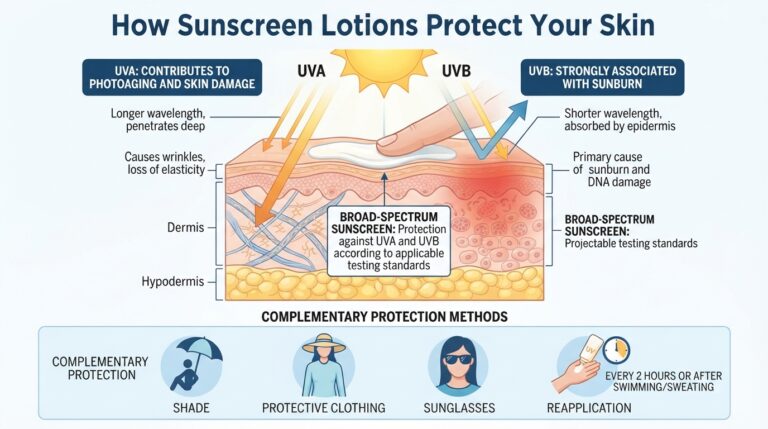
- UVA Rays: These rays penetrate deeply into the skin and are primarily responsible for tanning and premature aging.
- UVB Rays: These rays are responsible for sunburn and play a significant role in the development of skin cancer.
How Sunscreen Works
Sunscreen acts as a protective barrier between your skin and UV rays. It contains active ingredients that either absorb, reflect, or scatter UV radiation, thereby reducing the amount of UV that reaches your skin. Sunscreens are classified into two main categories:
- Chemical Sunscreens: These contain organic (carbon-based) compounds that absorb UV radiation. Ingredients like avobenzone and octisalate are common in this category.
- Physical (Mineral) Sunscreens: These contain active mineral ingredients like zinc oxide or titanium dioxide that sit on top of the skin and reflect UV rays away from the skin.
Effectiveness of SPF
SPF, or Sun Protection Factor, measures how well a sunscreen can protect your skin from UVB rays, which are primarily responsible for sunburns. A higher SPF indicates better protection, but it’s essential to understand what that means in practical terms:
| SPF Level | UVB Protection Percentage |
|---|---|
| 30 | 97% |
| 50 | 98% |
| 100 | 99% |
While higher SPF provides more protection, no sunscreen can block 100% of UV rays. Therefore, even with sunscreen, some tanning may still occur.
Does Sunscreen Completely Prevent Tanning?
The short answer is no, sunscreen does not completely prevent tanning. However, it significantly reduces the amount of UV radiation that penetrates your skin, thereby minimizing the production of melanin and the extent of tanning. Here are key points to consider:
- Even with broad-spectrum sunscreen, some UV rays can still reach your skin, especially if not applied liberally.
- Reapplication is crucial. Sunscreen needs to be reapplied every two hours, or more often if swimming or sweating.
- Not all sunscreens provide equal protection. Choose a broad-spectrum sunscreen with an SPF of 30 or higher for optimal protection.
Factors Influencing Tanning Despite Sunscreen Use
Several factors can influence how much you tan, even when using sunscreen:
- Skin Type: Individuals with lighter skin tones tend to tan less and burn more easily than those with darker skin tones.
- Time of Day: UV radiation is strongest between 10 AM and 4 PM, making tanning more likely during these hours.
- Geographical Location: Those closer to the equator or at higher altitudes experience more intense UV radiation.
Best Practices for Sun Protection
To minimize tanning and protect your skin effectively, follow these best practices:
- Choose the Right Sunscreen: Look for a broad-spectrum sunscreen with an SPF of 30 or higher.
- Apply Generously: Use about one ounce (a shot glass full) to cover your entire body. Don’t forget often-missed areas like ears, neck, and feet.
- Reapply Regularly: Reapply sunscreen every two hours or immediately after swimming or sweating.
- Seek Shade: Whenever possible, find shade, especially during peak sun hours.
- Wear Protective Clothing: Consider wearing sun-protective clothing, hats, and sunglasses for additional protection.
Alternatives to Tanning
If you desire a tanned look without the risks associated with UV exposure, consider safer alternatives:
- Self-Tanners: These products can provide a bronzed appearance without sun exposure.
- Spray Tans: Professional spray tanning services offer a quick and even tan.
- Bronzing Lotions: These can give your skin a temporary tanned glow without the need for UV exposure.
Conclusion
In summary, while sunscreen does not completely stop you from tanning, it significantly reduces the intensity of tanning and protects your skin from harmful UV rays. Understanding how sunscreen works and following best practices can help you enjoy the sun safely and maintain healthier skin. Remember, your skin’s health is paramount, and taking the necessary precautions can help you avoid the long-term effects of sun damage while achieving a desired look.
Whether you are lounging by the pool or enjoying a day at the beach, make sure to prioritize sun protection. The right sunscreen, combined with smart sun habits, will allow you to enjoy the outdoors while keeping your skin safe and healthy.