

When it comes to skincare, understanding the proper order of application is crucial for achieving healthy and radiant skin. One common question many people have is, “What goes on first, moisturizer or sunscreen?” This query is not just a matter of preference; the order in which you apply these products can significantly impact their effectiveness and your skin’s overall health.
The Basics of Skincare Application
Before we delve into the specifics of moisturizer and sunscreen, let’s discuss the fundamental principles of skincare application. Proper layering can enhance absorption, prevent pilling, and ensure that each product performs optimally. The general rule of thumb is to apply products from the thinnest to the thickest consistency. This approach allows each layer to penetrate your skin effectively.
Understanding Moisturizers
Moisturizers play a vital role in any skincare routine. They help maintain the skin’s hydration levels, improve texture, and create a barrier against environmental aggressors. Here are some key points about moisturizers:
- Types of Moisturizers: There are various types, including creams, gels, and lotions, each catering to different skin types. For instance, gel-based moisturizers are often preferred for oily skin, while creams are better suited for dry skin.
- Ingredients to Look For: Moisturizers often contain ingredients like hyaluronic acid for hydration, glycerin for moisture retention, and ceramides for barrier support.
- When to Apply: Moisturizers are ideally applied to damp skin to lock in moisture effectively.
Benefits of Using a Moisturizer
Using a moisturizer has several benefits, including:
- Hydration: Keeps your skin hydrated and plump.
- Barrier Protection: Strengthens the skin’s natural barrier.
- Texture Improvement: Enhances the overall texture and appearance of your skin.
The Importance of Sunscreen
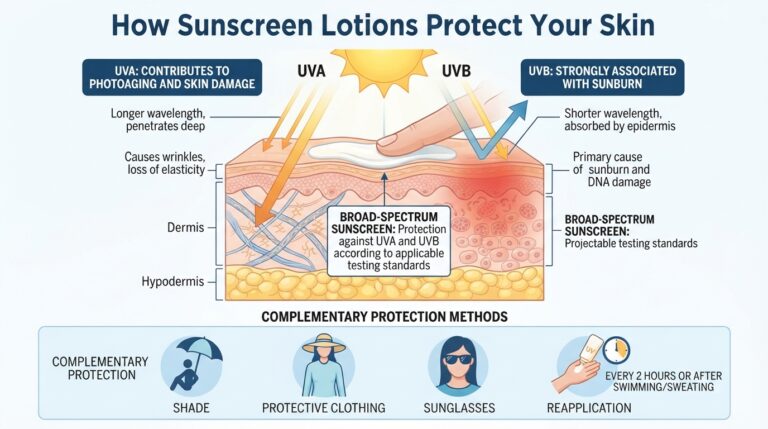
Sunscreen is an essential part of any skincare routine, regardless of the weather or your skin type. Protecting your skin from harmful UV rays can prevent premature aging, sunburn, and skin cancer. Here are some critical aspects of sunscreen:
- Types of Sunscreen: There are physical (mineral) and chemical sunscreens. Physical sunscreens contain ingredients like zinc oxide and titanium dioxide, while chemical sunscreens include avobenzone, octisalate, and octocrylene.
- SPF Rating: SPF (Sun Protection Factor) measures how well a sunscreen protects against UVB rays. Dermatologists recommend using a broad-spectrum sunscreen with at least SPF 30.
- Application Tips: Sunscreen should be applied generously and evenly to all exposed skin. It’s recommended to reapply every two hours, especially if swimming or sweating.
Why Sunscreen is Non-Negotiable
Here are some compelling reasons to prioritize sunscreen in your daily routine:
- Prevents Skin Cancer: Regular use can significantly reduce the risk of developing skin cancer.
- Anti-Aging Benefits: Sunscreen helps prevent fine lines, wrinkles, and hyperpigmentation caused by UV exposure.
- Overall Skin Health: Protecting your skin from UV rays supports its overall health and appearance.
Moisturizer vs. Sunscreen: The Application Order
Now that we understand the roles of both products, let’s answer the burning question: which one should you apply first? The consensus among dermatologists and skincare experts is clear: you should apply moisturizer first, followed by sunscreen. Here’s why:
Layering for Maximum Effectiveness
When you apply moisturizer first, it creates a hydrating base for your skin. This is crucial for several reasons:
- Enhanced Absorption: Applying moisturizer on damp skin allows the product to penetrate better, ensuring your skin gets the hydration it needs.
- Barrier Creation: Moisturizers help form a protective barrier, which can prevent the sunscreen from being absorbed too deeply into the skin, ensuring it remains effective on the surface.
How to Properly Apply Moisturizer and Sunscreen
Here’s a simple step-by-step guide to applying moisturizer and sunscreen effectively:
- Cleansing: Start with a clean face to remove any impurities.
- Apply Moisturizer: Take a small amount of moisturizer and apply it evenly across your face and neck. Gently massage it into your skin.
- Wait a Moment: Allow the moisturizer to absorb for a few minutes. This step is crucial for maximizing hydration.
- Apply Sunscreen: After the moisturizer has absorbed, apply a generous amount of sunscreen evenly on all exposed areas. Don’t forget your ears, neck, and any other areas that will be exposed to the sun.
Common Misconceptions About Moisturizer and Sunscreen
Despite the clear guidelines, several misconceptions persist regarding the use of moisturizer and sunscreen. Let’s debunk some of these myths:
Myth 1: Sunscreen is Only Necessary on Sunny Days
This is false. UV rays can penetrate through clouds and even windows. Therefore, wearing sunscreen daily is essential, regardless of the weather.
Myth 2: Moisturizer Makes Skin Oily
This is not entirely true. The right moisturizer for your skin type, whether oily, dry, or combination, can provide hydration without leaving an oily residue.
Myth 3: Sunscreen Can Replace Moisturizer
While some sunscreens contain moisturizing ingredients, they should not replace a dedicated moisturizer. Each product serves a different purpose and should be used in conjunction.
Conclusion: Achieving Optimal Skin Health
In conclusion, knowing what goes on first, moisturizer or sunscreen, is essential for anyone looking to maintain healthy skin. Applying moisturizer first followed by sunscreen ensures that your skin receives the hydration it needs, while also being protected from harmful UV rays. By following this simple order, you can enhance the effectiveness of your skincare routine and enjoy the many benefits that come with proper skincare.
Remember, skincare is a personal journey. What works for one person may not work for another, so it’s always a good idea to experiment with different products and techniques to find what suits your skin best. Prioritize your skin’s health by incorporating both moisturizer and sunscreen into your daily routine, and you’ll be well on your way to achieving that coveted glow.