
Every summer, the debate reignites: does sunscreen keep you from tanning? Many sunbathers and beachgoers wonder if applying sunscreen will prevent them from achieving that coveted sun-kissed glow. In this comprehensive guide, we’ll delve into how sunscreen works, its role in skin protection, and whether it truly stops tanning.
Understanding Sunscreen
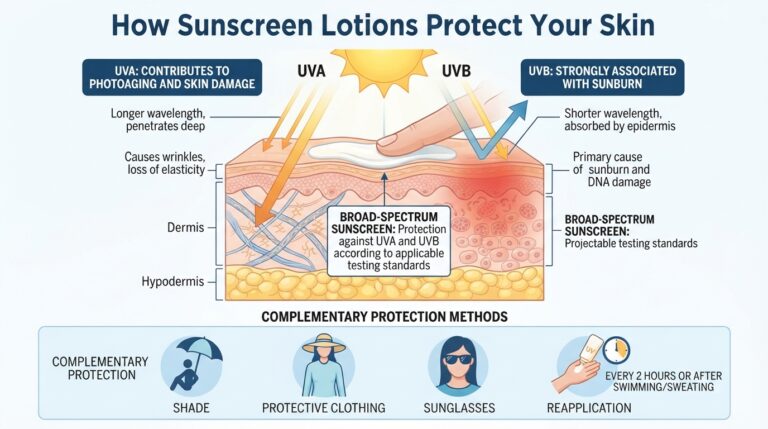
Sunscreen is a topical product designed to protect the skin from the harmful effects of ultraviolet (UV) radiation. UV rays come in two primary forms: UVA and UVB.
- UVA rays: These rays penetrate the skin more deeply and are primarily responsible for premature skin aging and wrinkles.
- UVB rays: These rays affect the surface of the skin and are the primary cause of sunburns.
Both UVA and UVB rays can contribute to skin cancer. Therefore, understanding your sunscreen’s effectiveness against these rays is crucial for skin health.
How Sunscreen Works
Sunscreens contain active ingredients that either absorb or reflect UV radiation. There are two main types of sunscreen:
- Chemical Sunscreens: These contain organic compounds that absorb UV radiation. Common ingredients include avobenzone, octisalate, and octocrylene.
- Physical (Mineral) Sunscreens: These contain mineral ingredients like zinc oxide or titanium dioxide that sit on the skin’s surface and reflect UV rays.
The Science Behind Tanning
Tanning occurs as a natural defense mechanism of the skin against UV radiation. When your skin is exposed to the sun, it produces more melanin, the pigment responsible for skin color. This increased melanin helps absorb UV radiation and protects deeper layers of the skin.
Does Sunscreen Prevent Tanning?
Now, let’s address the central question: does sunscreen keep you from tanning? The answer isn’t straightforward. While sunscreen significantly reduces the amount of UV radiation that penetrates the skin, it doesn’t completely block it. Here’s how it works:
- SPF and UV Protection: Sunscreens are rated by their Sun Protection Factor (SPF). A higher SPF indicates greater protection against UVB rays. However, no sunscreen can offer 100% protection.
- UVA Protection: Many sunscreens also provide UVA protection, which is crucial since these rays can still cause skin darkening.
- Application and Reapplication: The effectiveness of sunscreen depends on proper application. Many people don’t apply enough product or forget to reapply every two hours, especially after swimming or sweating.
Therefore, while sunscreen can reduce the intensity of tanning, it may not completely prevent it, especially if applied incorrectly or insufficiently.
Factors Influencing Tanning While Using Sunscreen
Several factors can influence how much you tan while using sunscreen:
1. Skin Type
Your skin type plays a significant role in how quickly and intensely you tan. For example:
- Fair Skin: Individuals with lighter skin tend to burn more easily and may tan less.
- Medium to Dark Skin: Those with darker skin have more melanin and may tan more quickly, even with sunscreen.
2. SPF Level
The effectiveness of sunscreen varies with its SPF level. Here’s a general guideline:
| SPF Level | UVB Protection Percentage |
|---|---|
| 15 | 93% |
| 30 | 97% |
| 50 | 98% |
While higher SPF offers more protection, it’s essential to note that no sunscreen can block all UV rays.
3. Duration of Sun Exposure
The longer you stay in the sun, the more likely you are to tan, even with sunscreen. It’s crucial to balance your sun exposure time with the level of protection your sunscreen provides.
4. Activities
If you’re swimming, sweating, or engaging in activities that may wash off sunscreen, reapplication becomes vital. Water-resistant sunscreens can help but are not foolproof. Always check the label for guidelines on reapplication.
Benefits of Using Sunscreen
Even if sunscreen does not entirely prevent tanning, its benefits far outweigh any potential drawbacks. Here are some of the key advantages:
- Reduces Risk of Skin Cancer: Regular use of sunscreen can lower your risk of developing skin cancers, including melanoma.
- Prevents Premature Aging: Sunscreen helps prevent wrinkles, fine lines, and sun spots caused by UV exposure.
- Prevents Sunburn: Sunscreen protects against painful sunburns, which can have lasting effects on skin health.
Myths About Sunscreen and Tanning
As with any popular topic, several myths surround sunscreen and tanning. Here are a few of the most common:
1. “I Don’t Need Sunscreen on Cloudy Days”
Many people believe that UV rays don’t penetrate clouds, but this is a misconception. Up to 80% of UV rays can reach your skin on overcast days. Therefore, sunscreen is essential regardless of the weather.
2. “Sunscreen is Only Needed at the Beach”
Another common myth is that sunscreen is only necessary during beach outings. However, UV exposure occurs year-round and can affect you even during daily activities, such as driving or walking.
3. “I Can Skip Sunscreen if I’m Tanning”
Some believe they can skip sunscreen to achieve a faster tan. This is dangerous and can lead to severe skin damage, increasing the risk of skin cancer.
Tips for Effective Sunscreen Use
To maximize the benefits of sunscreen, consider these practical tips:
- Choose the Right SPF: Opt for a broad-spectrum sunscreen with at least SPF 30.
- Apply Generously: Use about an ounce (a shot glass full) for full body coverage.
- Reapply Regularly: Reapply every two hours, or immediately after swimming or sweating.
- Don’t Forget Areas: Pay attention to often-missed areas, including ears, back of the neck, and tops of feet.
Conclusion
In conclusion, while sunscreen may not completely prevent tanning, it plays a crucial role in protecting your skin from harmful UV rays. By understanding how sunscreen works, the factors influencing tanning, and the myths surrounding sun protection, you can enjoy the sun safely. Embracing proper sunscreen use not only helps you maintain your skin’s health but also allows you to enjoy outdoor activities with peace of mind. Remember, the goal is not just to tan but to keep your skin healthy and safe for years to come.