
As summer approaches, many of us find ourselves wondering, “Does sunscreen prevent you from tanning?” This question is not only common but also crucial for anyone looking to protect their skin while enjoying the sun. In this article, we will delve into how sunscreen works, its role in tanning, and the best practices for sun safety.
The Basics of Tanning
Tanning is your body’s natural defense mechanism against UV radiation. When your skin is exposed to sunlight, it produces more melanin, the pigment responsible for your skin color. This increase in melanin helps protect deeper layers of skin from UV damage. However, too much sun exposure can lead to sunburn, premature aging, and an increased risk of skin cancer.
Types of UV Radiation
Understanding the types of ultraviolet (UV) radiation is essential when discussing tanning and sunscreen. There are two primary types:
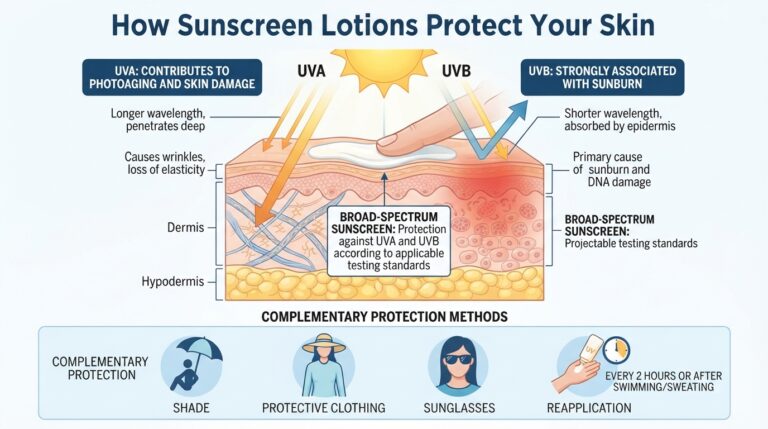
- UVA Rays: These rays penetrate the skin deeply and are primarily responsible for aging and long-term skin damage. They can also contribute to tanning.
- UVB Rays: These rays are mainly responsible for causing sunburn and play a significant role in developing skin cancer. They are also the rays that stimulate the production of vitamin D in your skin.
How Sunscreen Works
Sunscreen is designed to protect your skin from the damaging effects of UV radiation. It usually contains active ingredients that either absorb or reflect UV rays. Here’s how they work:
- Chemical Sunscreens: These contain organic compounds that absorb UV radiation and convert it into heat, which is then released from the skin. Common ingredients include avobenzone, octisalate, and oxybenzone.
- Physical (Mineral) Sunscreens: These contain natural minerals like zinc oxide or titanium dioxide that sit on top of the skin and reflect UV radiation away. They are often recommended for sensitive skin.
The SPF Factor
SPF, or Sun Protection Factor, measures how well a sunscreen can protect your skin from UVB rays. The higher the SPF, the greater the protection. For example:
| SPF Level | UVB Protection |
|---|---|
| 15 | 93% of UVB rays |
| 30 | 97% of UVB rays |
| 50 | 98% of UVB rays |
While SPF is important, no sunscreen offers 100% protection. This is why it is vital to reapply every two hours and after swimming or sweating.
Does Sunscreen Prevent Tanning?
The straightforward answer to whether sunscreen prevents tanning is: not entirely. While sunscreen significantly reduces the amount of UV radiation that penetrates the skin, it does not completely block it. This means that some tanning may still occur, especially if you use a lower SPF or don’t apply it correctly.
The Role of Sunscreen in Tanning
Here are a few key points to consider:
- Reduced UV Exposure: Sunscreen protects your skin by filtering out a significant portion of UV rays, which reduces the overall amount of melanin produced.
- Application Matters: Many people do not apply enough sunscreen. To achieve the SPF protection listed on the bottle, you need to apply about two ounces (the amount of a shot glass) to your body.
- Skin Type and Sensitivity: Different skin types react differently to sunlight. Individuals with fair skin are more prone to burning and may tan less, even with sunscreen.
Benefits of Using Sunscreen
Even if you enjoy a sun-kissed glow, using sunscreen has numerous benefits:
- Reduces Skin Cancer Risk: Regular use of sunscreen can lower your risk of developing skin cancers, including melanoma.
- Prevents Premature Aging: Sunscreen helps prevent wrinkles, fine lines, and age spots caused by sun exposure.
- Maintains Even Skin Tone: Sunscreen can help prevent uneven pigmentation and dark spots, which often occur from excessive sun exposure.
How to Use Sunscreen Effectively
To maximize the effectiveness of sunscreen and minimize tanning, follow these tips:
- Choose the Right SPF: Opt for a broad-spectrum sunscreen with at least SPF 30.
- Apply Generously: Use about two ounces for full body coverage. Don’t forget areas like your ears, feet, and the back of your neck.
- Reapply Frequently: Reapply every two hours, or more often if swimming or sweating.
- Use Daily: Even on cloudy days, up to 80% of UV rays can penetrate clouds, so make sunscreen part of your daily routine.
Alternative Methods to Achieve a Tan
If you’re seeking a tan but still want to protect your skin, consider these alternatives:
- Self-Tanners: These products can provide a bronzed look without the sun exposure.
- Spray Tans: Professional spray tanning can give you a natural-looking tan without UV damage.
- Tanning Beds: While they can provide a tan, they come with their own risks and should be used with caution.
Conclusion
So, does sunscreen prevent you from tanning? While it doesn’t completely stop the tanning process, it significantly reduces UV exposure, thereby helping to protect your skin from damage. The benefits of using sunscreen far outweigh the desire for a darker tan. By taking proper precautions and applying sunscreen effectively, you can enjoy the sun safely while minimizing the risks associated with UV exposure. Embrace the science of skin protection, and let your natural beauty shine without compromise.