
As the sun shines brighter and the days get longer, many of us start to think about spending time outdoors. But with increased sun exposure comes an age-old question: can sunscreen prevent tanning? Understanding this topic is crucial for anyone who enjoys soaking up the sun but wants to maintain their natural skin tone. In this article, we will delve into the science of sunscreen, how it works, and the best practices for protecting your skin while enjoying the outdoors.
The Science Behind Tanning
Before we can answer the question of whether sunscreen can prevent tanning, it’s essential to understand what tanning actually is. Tanning occurs when the skin is exposed to ultraviolet (UV) radiation from the sun. This radiation stimulates the production of melanin, the pigment responsible for the color of our skin. The more melanin produced, the darker the skin becomes, resulting in a tan.
There are two types of UV radiation that affect the skin:
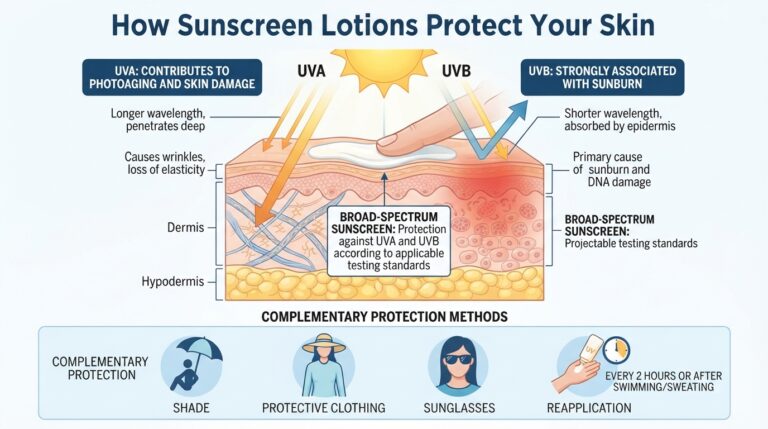
- UVA Rays: These rays penetrate deep into the skin and are primarily responsible for skin aging and long-term damage.
- UVB Rays: These rays affect the outer layer of the skin and are responsible for sunburns. They play a significant role in the tanning process.
How Sunscreen Works
Sunscreen is formulated to protect the skin from the harmful effects of UV radiation. It does this by either absorbing or reflecting UV rays. The effectiveness of sunscreen is measured by its Sun Protection Factor (SPF). Here’s how it works:
- Chemical Sunscreens: These contain organic compounds that absorb UV radiation and convert it into heat, which is then released from the skin.
- Physical (Mineral) Sunscreens: These contain active mineral ingredients, such as zinc oxide or titanium dioxide, which create a barrier on the skin that reflects and scatters UV rays.
Can Sunscreen Prevent Tanning?
The short answer is yes, sunscreen can prevent tanning, but its effectiveness largely depends on a few factors. Here are the key considerations:
1. SPF Level
The SPF rating of a sunscreen indicates its ability to protect against UVB rays. A higher SPF means more protection. For example:
| SPF Level | UVB Protection |
|---|---|
| 15 | 93% |
| 30 | 97% |
| 50 | 98% |
While no sunscreen can block 100% of UV rays, using a broad-spectrum sunscreen with an SPF of at least 30 can significantly reduce your chances of tanning.
2. Application Method
How you apply sunscreen can greatly influence its effectiveness. Here are some tips:
- Apply Generously: Use about an ounce (a shot glass full) to cover your entire body.
- Reapply Regularly: Sunscreen should be reapplied every two hours, or more often if swimming or sweating.
- Apply Before Sun Exposure: Apply sunscreen at least 15 minutes before heading outdoors to allow it to absorb into the skin.
3. Time of Day and UV Index
The intensity of UV radiation varies throughout the day. The UV index is a scale that measures UV radiation levels on a scale from 1 to 11+. During peak hours, typically between 10 a.m. and 4 p.m., UV radiation is most intense. Here are some considerations:
- Check the UV index before heading outdoors.
- Seek shade during peak hours to minimize direct sun exposure.
- Even on cloudy days, up to 80% of UV rays can reach your skin.
Additional Tips for Preventing Tanning
While sunscreen is crucial, combining it with other protective measures can enhance your defense against tanning. Consider the following:
1. Wear Protective Clothing
Clothing can be a physical barrier against UV rays. Opt for:
- Long Sleeves: Lightweight, long-sleeved shirts can offer additional protection.
- Hats: A wide-brimmed hat can shield your face and neck.
- Sunglasses: Protect your eyes from UV rays with proper sunglasses.
2. Seek Shade
Whenever possible, find shade under trees, umbrellas, or tents, especially during peak sunlight hours. This simple act can significantly reduce your exposure to harmful UV rays.
3. Stay Hydrated
Drinking plenty of water keeps your skin hydrated and may help it recover from sun exposure. Hydrated skin is often more resilient and less prone to damage.
Understanding Skin Types and Tanning
Everyone’s skin reacts differently to sun exposure. Understanding your skin type can help you gauge your susceptibility to tanning and sunburn. The Fitzpatrick scale categorizes skin types based on their response to UV exposure:
| Skin Type | Description | Reaction to Sun |
|---|---|---|
| I | Very fair skin, often with freckles | Always burns, never tans |
| II | Fair skin | Burns easily, tans minimally |
| III | Medium skin | Sometimes burns, tans gradually |
| IV | Olive skin | Rarely burns, tans easily |
| V | Brown skin | Very rarely burns, tans well |
| VI | Dark brown or black skin | Never burns, deeply pigmented |
Knowing your skin type can help you choose the right sunscreen and determine how much sun exposure is safe for you.
Conclusion
In summary, the question of whether sunscreen can prevent tanning is multifaceted. While sunscreen is a powerful tool in protecting your skin from UV radiation and preventing tanning, its effectiveness depends on factors like SPF level, application method, and your skin type. To achieve the best results, combine sunscreen with other protective measures such as wearing suitable clothing, seeking shade, and staying hydrated.
Ultimately, enjoying the sun safely is about understanding your skin and how to protect it. By taking a proactive approach to sun safety, you can enjoy your time outdoors while minimizing the risk of tanning and skin damage.