

When it comes to skin protection, many people believe that sunscreen is only necessary when they step outside. However, a pressing question arises: do you need sunscreen indoors? The truth may surprise you. Understanding the importance of sunscreen, even while indoors, can significantly impact your skin health.
Understanding UV Rays
To answer the question of whether you need sunscreen indoors, we first need to understand the types of ultraviolet (UV) rays that can affect your skin.
Types of UV Rays
There are two primary types of UV rays that pose a threat to your skin:
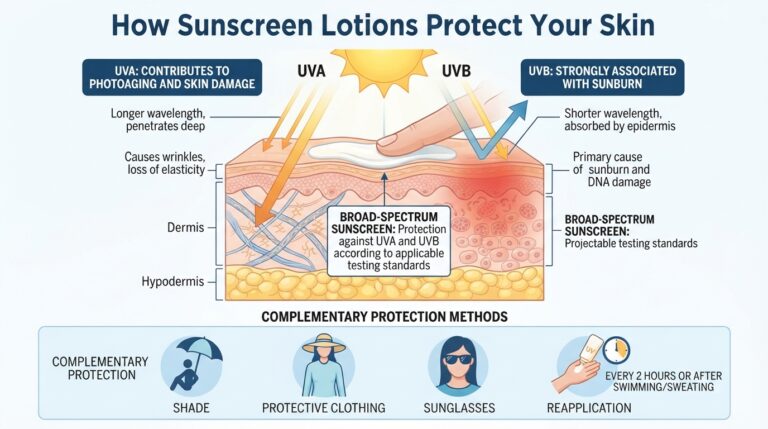
- UVA Rays: These rays penetrate deep into the skin and are primarily responsible for premature aging and skin cancer. UVA rays can pass through windows, making them a concern even when you are indoors.
- UVB Rays: These rays primarily affect the skin’s surface and are responsible for sunburn. UVB rays do not penetrate glass, so you are generally safe from them indoors.
The Risks of UV Exposure Indoors
While it’s easy to assume that being inside protects you from sun damage, that’s not entirely accurate. Here are some risks associated with indoor UV exposure:
1. Window Exposure
Many people spend hours sitting near windows, whether at home or in the office. Studies have shown that UVA rays can penetrate glass, exposing you to potential skin damage and increasing your risk of skin cancer. A study from the American Academy of Dermatology found that individuals who work near windows are at a higher risk for skin damage.
2. Artificial Lighting
Some artificial lights, such as fluorescent and halogen bulbs, can emit low levels of UV radiation. While the risk is significantly lower than direct sunlight, prolonged exposure can still have detrimental effects on your skin over time.
3. Skin Aging
UVA rays are known to cause collagen and elastin breakdown, leading to wrinkles and sagging skin. This process can occur indoors, especially for those who spend extended periods in front of windows.
Who Should Wear Sunscreen Indoors?
While everyone can benefit from wearing sunscreen indoors, certain groups should be particularly vigilant:
1. Office Workers
If you work near large windows or spend long hours in front of screens, consider applying sunscreen daily. The cumulative effects of UVA exposure can add up over time.
2. People with Skin Conditions
Individuals with conditions such as lupus or photosensitivity should be extra cautious, as their skin can react adversely to UV exposure.
3. Those with a History of Skin Cancer
If you have previously had skin cancer or have a family history of it, taking preventive measures, including wearing sunscreen indoors, is advisable.
Choosing the Right Sunscreen
When selecting a sunscreen for indoor use, consider the following factors:
1. Broad Spectrum Protection
Choose a sunscreen labeled as “broad spectrum,” which protects against both UVA and UVB rays.
2. SPF Rating
Opt for a sunscreen with an SPF of at least 30. This level offers adequate protection for daily use.
3. Formulation
Consider your skin type when selecting a formulation. Here are some options:
- Lotions and Creams: Suitable for normal to dry skin.
- Gels: Ideal for oily skin.
- Sticks: Convenient for targeted areas, such as the face.
4. Non-Comedogenic Options
If you are prone to acne, look for non-comedogenic formulas that won’t clog your pores.
How to Incorporate Sunscreen into Your Daily Routine
Incorporating sunscreen into your daily routine doesn’t have to be complicated. Here are some practical tips:
1. Apply Daily
Make it a habit to apply sunscreen every morning, even on cloudy days or when you plan to stay indoors. This will help you remember to protect your skin consistently.
2. Use a Primer or Moisturizer with SPF
If you find traditional sunscreen greasy or heavy, consider using a tinted moisturizer or primer with SPF. This can offer protection while providing a smooth base for makeup.
3. Reapply Regularly
For extended indoor periods, consider reapplying sunscreen every two hours, especially if you’re near a window. If you’re sweating or have wiped your face, reapply more frequently.
4. Set Reminders
If you often forget to apply sunscreen, set reminders on your phone or keep your sunscreen visible on your desk or bathroom counter.
Additional Tips for Skin Protection Indoors
Besides sunscreen, there are other ways to protect your skin while indoors:
1. Wear Protective Clothing
While it may seem unnecessary indoors, wearing long sleeves or UV-protective clothing can further shield your skin from UV exposure near windows.
2. Install UV-Blocking Window Film
If you’re particularly concerned about UV exposure, consider installing window film that blocks UV rays. This can significantly reduce the amount of UVA rays entering your living or working space.
3. Limit Sun Exposure Near Windows
If possible, rearrange your workspace or living area to minimize direct sunlight exposure near windows. This simple change can reduce your risk of UV damage.
Conclusion
In summary, the answer to the question, “do you need sunscreen indoors?” is a resounding yes. While it may seem unnecessary, protecting your skin from UVA rays, even while inside, is crucial for maintaining healthy skin and preventing long-term damage. By incorporating sunscreen into your daily routine and taking additional protective measures, you can enjoy peace of mind knowing your skin is safeguarded against harmful UV exposure.
FAQs
1. Can I skip sunscreen if I don’t spend much time by a window?
Even if you’re not frequently near a window, it’s still beneficial to wear sunscreen daily as UV rays can bounce off surfaces and reach your skin in unexpected ways.
2. Is sunscreen necessary if I use makeup with SPF?
While makeup with SPF offers some protection, it’s usually not enough. Applying a dedicated sunscreen as a base is recommended for optimal protection.
3. How often should I apply sunscreen indoors?
Reapply sunscreen every two hours if you’re spending extended time near windows. If you’re sweating or have wiped your face, reapply more frequently.
4. Can I use the same sunscreen for indoors and outdoors?
Yes, you can use the same sunscreen for both indoor and outdoor use as long as it offers broad-spectrum protection and an adequate SPF.