
Many individuals enjoy soaking up the sun, but a common concern arises: do you still get tan with sunscreen? This question is essential for anyone looking to protect their skin while still achieving that sun-kissed glow. In this article, we’ll explore how sunscreen works, the science behind tanning, and how to effectively use sunscreen to minimize tanning while maximizing protection.
The Science of Tanning
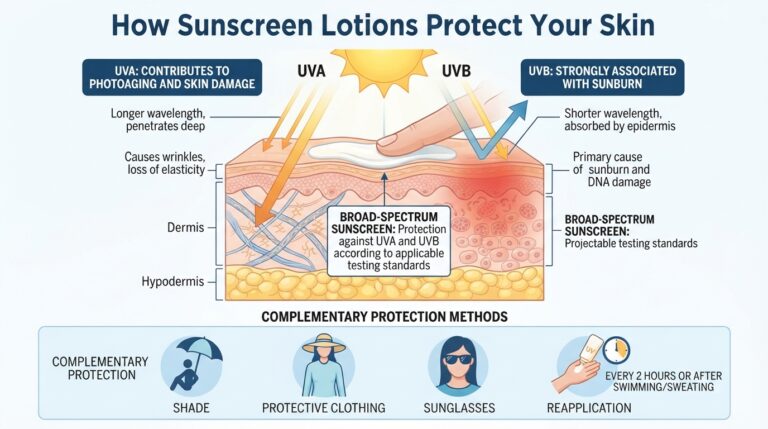
Tanning occurs when your skin is exposed to ultraviolet (UV) radiation from the sun. This radiation stimulates the production of melanin, the pigment responsible for the color of your skin. Here’s a closer look at the two types of UV rays that contribute to tanning:
- UVA Rays: These rays penetrate deep into the skin and are primarily responsible for aging and long-term skin damage. They can also contribute to tanning.
- UVB Rays: These rays affect the outer layer of skin and are responsible for sunburn. They play a key role in triggering melanin production.
How Sunscreen Works
Sunscreen is designed to protect your skin from the harmful effects of UV radiation. It works in two main ways:
- Physical (Mineral) Sunscreens: Contain active mineral ingredients like zinc oxide or titanium dioxide, which sit on top of the skin and reflect UV rays away.
- Chemical Sunscreens: Contain organic compounds that absorb UV radiation and convert it into heat, which is then released from the skin.
Do You Still Get Tan with Sunscreen?
The short answer is yes, you can still get a tan while wearing sunscreen. However, the degree of tanning depends on several factors:
SPF Levels
Sunscreens come with different sun protection factors (SPF), which measure their effectiveness against UVB rays. Here’s a breakdown:
| SPF Level | Protection Level |
|---|---|
| 15 | Approximately 93% of UVB rays blocked |
| 30 | Approximately 97% of UVB rays blocked |
| 50 | Approximately 98% of UVB rays blocked |
While higher SPF levels provide more protection, they do not completely eliminate tanning. Even with SPF 50, some UV rays can still reach your skin, allowing for minor tanning.
Application Amount and Technique
The effectiveness of sunscreen also depends on how much you apply and how frequently you reapply it. To achieve the full SPF advertised on the label, it’s crucial to use the right amount:
- Use about an ounce (a shot glass full) for full body coverage.
- Reapply every two hours, or immediately after swimming or sweating.
Many people underapply sunscreen, which can lead to reduced protection and increased tanning.
Duration and Time of Day
The duration of sun exposure and the time of day also influence tanning. UV rays are strongest between 10 AM and 4 PM, and prolonged exposure, even with sunscreen, can lead to tanning. Consider the following:
- Limit sun exposure during peak hours.
- Seek shade whenever possible.
Other Factors Influencing Tanning
Besides sunscreen, several other factors can affect how much you tan:
Skin Type
Your natural skin type plays a significant role in how you tan. People with lighter skin types tend to burn more easily and may tan less than those with darker skin. Here’s a basic classification:
- Type I: Always burns, never tans.
- Type II: Burns easily, tans minimally.
- Type III: Burns moderately, tans gradually.
- Type IV: Burns minimally, tans easily.
- Type V: Rarely burns, tans easily.
- Type VI: Never burns, deeply pigmented.
Geographical Location
Your geographical location can influence UV exposure. Areas closer to the equator receive more direct sunlight, increasing UV radiation intensity and potential for tanning. If you’re vacationing in such areas, it’s essential to be vigilant with your sunscreen application.
Altitude
Higher altitudes expose you to increased UV radiation. For example, skiing at high elevations can lead to sunburn and tanning even in colder weather, as UV rays can penetrate clouds and reflect off snow.
Best Practices for Using Sunscreen
To minimize tanning while maximizing protection, follow these best practices:
- Choose a broad-spectrum sunscreen that protects against both UVA and UVB rays.
- Select a sunscreen with at least SPF 30 for daily use.
- Apply sunscreen generously and evenly to all exposed skin.
- Reapply every two hours, or more often if swimming or sweating.
- Don’t forget areas like ears, feet, and the back of your neck.
- Consider wearing protective clothing, wide-brimmed hats, and sunglasses.
Alternative Tanning Methods
If achieving a tan is your goal, consider alternatives that protect your skin from UV damage:
- Self-tanners: These products contain dihydroxyacetone (DHA) that darkens the skin without sun exposure.
- Spray tans: Professional spray tans can provide a natural-looking glow without UV exposure.
- Bronzers: These can be applied topically for a temporary tan effect.
Conclusion
In summary, the answer to “do you still get tan with sunscreen?” is yes, but the extent varies based on SPF, application, skin type, and other environmental factors. While sunscreen is crucial for protecting your skin from harmful UV rays, it’s not a guarantee against tanning. By following the best practices outlined in this article and considering alternative tanning methods, you can enjoy your time in the sun while keeping your skin healthy and protected.