
As the sun shines brightly during the warmer months, many of us find ourselves reaching for a bottle of sunscreen to protect our skin. But a question that often arises is, is coconut oil a sunscreen? While this natural oil has gained popularity in recent years for its numerous health benefits, its efficacy as a sunscreen is a topic worth discussing.
Understanding Sunscreen: What It Does and Why It Matters
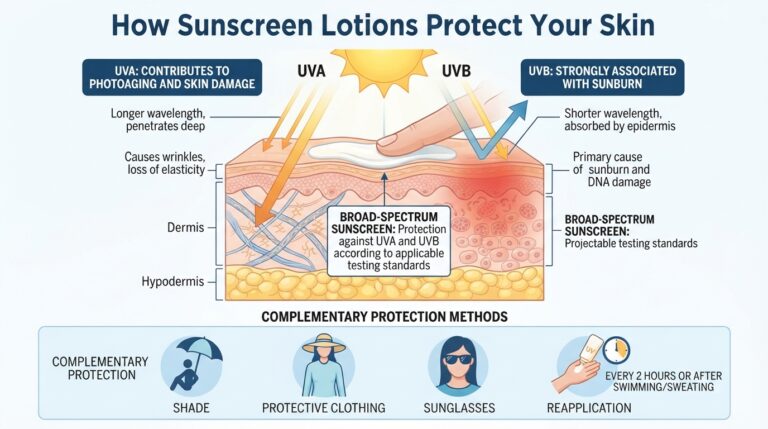
Sunscreen plays a crucial role in protecting our skin from the harmful effects of ultraviolet (UV) radiation. These rays can lead to skin damage, premature aging, and even skin cancer. Sunscreens are categorized into two main types:
- Chemical Sunscreens: These absorb UV radiation and convert it into heat, which is then released from the skin.
- Physical (or Mineral) Sunscreens: These contain active mineral ingredients like zinc oxide or titanium dioxide, which sit on the skin’s surface and reflect UV radiation.
For effective protection, the American Academy of Dermatology recommends using a broad-spectrum sunscreen with an SPF of 30 or higher. But how does coconut oil fit into this picture?
The Properties of Coconut Oil
Coconut oil is derived from the flesh of coconuts and is known for its moisturizing properties and health benefits. Its composition includes:
- Approximately 62% medium-chain fatty acids, including lauric acid.
- Antioxidants that can help fight free radicals.
- Antimicrobial properties that may aid in skin health.
Due to these properties, coconut oil is often used in skincare and haircare products, but does it provide adequate sun protection?
Can Coconut Oil Act as a Sunscreen?
To determine if coconut oil can function as a sunscreen, we must look at its SPF (Sun Protection Factor) rating. Studies suggest that coconut oil has an SPF of about 4 to 7. While this indicates that it can provide some level of protection against UVB rays, it falls significantly short of the recommended SPF 30 for effective sun protection.
The Benefits of Using Coconut Oil on Skin
Despite its limitations as a sunscreen, coconut oil does offer several benefits when applied to the skin:
- Moisturization: Coconut oil is an excellent moisturizer and can help keep the skin hydrated.
- Anti-inflammatory Properties: It may help soothe irritated skin, making it useful for minor burns or rashes.
- Antimicrobial Effects: The lauric acid in coconut oil can help combat certain types of bacteria and fungi.
How to Use Coconut Oil Safely in the Sun
If you choose to use coconut oil while spending time in the sun, consider the following tips:
- Use it in conjunction with a broad-spectrum sunscreen to enhance overall protection.
- Apply a generous amount of coconut oil to moisturize your skin after sun exposure.
- Avoid using it as your only form of sun protection, especially during peak sunlight hours.
Comparing Coconut Oil to Traditional Sunscreens
When evaluating the effectiveness of coconut oil versus traditional sunscreens, it’s essential to consider several factors:
| Feature | Coconut Oil | Traditional Sunscreen |
|---|---|---|
| SPF Rating | 4-7 | 30+ |
| UV Protection | Limited, mostly UVB | Broad-spectrum (UVA & UVB) |
| Moisturizing | Excellent | Varies by formulation |
| Ingredients | Natural | Varied (chemical or physical) |
As the table shows, while coconut oil offers some benefits, it does not provide adequate protection against UV radiation compared to traditional sunscreens.
Common Misconceptions About Coconut Oil and Sun Protection
There are several myths surrounding the use of coconut oil as a sunscreen. Let’s clarify a few:
- Myth 1: Coconut oil can replace sunscreen completely.
Fact: It should only be used as an adjunct to proper sun protection measures. - Myth 2: Coconut oil provides sufficient protection for all skin types.
Fact: Individuals with fair skin or a history of skin cancer should exercise extra caution. - Myth 3: Natural oils are always safe in the sun.
Fact: Some natural oils can make the skin more sensitive to sunlight.
What Experts Say About Coconut Oil and Sunscreen
Dermatologists and skincare experts generally agree that while coconut oil has its place in skincare, it should not be relied upon as a primary source of sun protection. Dr. Joshua Zeichner, a prominent dermatologist, emphasizes the importance of using a broad-spectrum sunscreen to effectively shield the skin from UV damage.
In a study published in the “Journal of the American Academy of Dermatology,” researchers noted that relying solely on natural oils for sun protection could lead to increased risks of skin damage and cancer.
Alternative Natural Ingredients for Sun Protection
If you’re interested in natural sun protection options, consider the following ingredients known for their higher SPF ratings:
- Zinc Oxide: A natural mineral that provides broad-spectrum protection.
- Shea Butter: Contains some natural SPF properties and moisturizes the skin.
- Red Raspberry Seed Oil: Known for its potential SPF of 28-50.
Conclusion: Should You Use Coconut Oil as Sunscreen?
In conclusion, the question of whether coconut oil is a sunscreen is complex. While it offers some moisturizing benefits and may provide minimal UV protection, it is not a substitute for traditional sunscreens. For optimal skin health, it’s best to use coconut oil in combination with a broad-spectrum sunscreen that has an SPF of 30 or higher. Always remember to reapply sunscreen every two hours, especially after swimming or sweating, to ensure adequate protection.
Ultimately, protecting your skin from the sun’s harmful rays is crucial for long-term skin health. By understanding the limitations of coconut oil and the importance of proper sun protection, you can enjoy the sun safely and effectively.