
As summer approaches and outdoor activities ramp up, many of us begin to dig through our cabinets for sunscreen. But what happens when you find that your bottle of sunscreen has expired? Can you still use expired sunscreen? This question often leads to confusion and concern, as we all want to protect our skin while avoiding any potential harm. In this article, we will explore the implications of using expired sunscreen, how to determine its effectiveness, and the best practices for sun protection.
The Importance of Sunscreen
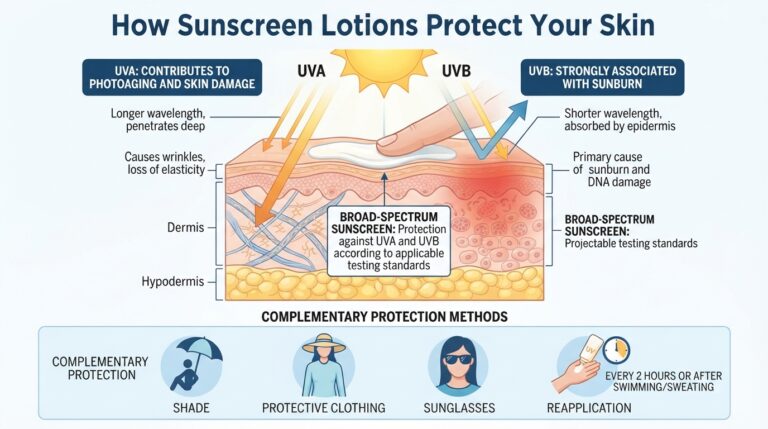
Sunscreen plays a crucial role in protecting our skin from harmful ultraviolet (UV) rays emitted by the sun. These rays can lead to skin damage, premature aging, and increase the risk of skin cancer. According to the Skin Cancer Foundation, regular use of sunscreen can reduce the risk of melanoma by 50%. With statistics like these, it’s clear that sunscreen is not just a summer accessory, but an essential part of our skincare routine year-round.
What Happens When Sunscreen Expires?
To answer the question, “Can you still use expired sunscreen?” we first need to understand what expiration means in this context. Sunscreens are formulated with active ingredients that provide UV protection. Over time, these ingredients can degrade, losing their effectiveness. Here are some key points to consider:
- Active Ingredients: Most sunscreens contain either chemical filters (such as avobenzone or octocrylene) or physical blockers (like zinc oxide or titanium dioxide). The potency of these ingredients can diminish past their expiration date.
- Stability: The stability of sunscreen is tested for a certain period, usually three years from the manufacturing date. After this period, there’s no guarantee that the product will perform as intended.
- Storage Conditions: Sunscreen is sensitive to heat, light, and humidity. If it has been stored improperly, it may expire earlier than the stated date.
How to Check If Your Sunscreen is Still Good
Even if your sunscreen hasn’t reached its expiration date, it’s essential to perform a few checks before use. Here are some methods to evaluate the condition of your sunscreen:
1. Check the Expiration Date
The first step is to locate the expiration date on the bottle. If it’s past this date, it’s advisable to dispose of the sunscreen.
2. Inspect the Appearance
Examine the sunscreen for any changes in color or consistency. If you notice separation, clumping, or a change in texture, it’s best not to use it.
3. Smell Test
Trust your senses. If the sunscreen has an unusual or rancid smell, it’s time to throw it out.
Risks of Using Expired Sunscreen
Using expired sunscreen carries several risks, mainly due to the reduced effectiveness of the product in protecting your skin. Here are some potential consequences:
- Increased UV Exposure: Expired sunscreen may not adequately shield your skin from harmful UV rays, leading to sunburn, skin damage, and an increased risk of skin cancer.
- Skin Reactions: Degraded ingredients can cause skin irritation or allergic reactions, especially for those with sensitive skin.
- False Sense of Security: Relying on expired sunscreen may provide a false sense of security, leading individuals to spend extended periods in the sun without adequate protection.
Best Practices for Sunscreen Use
To ensure you are getting the best protection from your sunscreen, follow these best practices:
1. Choose the Right Sunscreen
Select a broad-spectrum sunscreen with at least SPF 30, which protects against both UVA and UVB rays. Consider your skin type and any specific needs you may have.
2. Store Properly
Store your sunscreen in a cool, dry place away from direct sunlight. Avoid leaving it in hot cars or areas with high humidity.
3. Apply Generously and Frequently
Apply a sufficient amount of sunscreen—about one ounce (a shot glass full) for full body coverage. Reapply every two hours, or immediately after swimming, sweating, or towel drying.
4. Check for Expiration Dates Regularly
Make it a habit to check the expiration dates of your sunscreen and replace it as needed. Consider writing the purchase date on the bottle to keep track of its lifespan.
What to Do with Expired Sunscreen
If you find that your sunscreen has expired, it’s important to dispose of it properly. Here are some ways to handle expired sunscreen:
- Follow Local Regulations: Check your local waste disposal guidelines to determine how to dispose of cosmetic products safely.
- Do Not Flush: Avoid flushing sunscreen down the toilet or pouring it down the drain, as chemicals can harm water systems.
- Recycle Packaging: If the container is recyclable, make sure to recycle it according to local guidelines.
Alternatives to Sunscreen
While sunscreen is essential, it’s not the only method of sun protection. Consider incorporating these alternatives into your sun safety routine:
1. Protective Clothing
Wear clothing that covers your skin, such as long-sleeved shirts and wide-brimmed hats. Fabrics with UPF (Ultraviolet Protection Factor) ratings provide additional protection.
2. Seek Shade
Whenever possible, stay in the shade, especially during peak sun hours between 10 a.m. and 4 p.m.
3. Sunglasses
Protect your eyes with sunglasses that block 100% of UV rays. Look for labels indicating UV protection.
Conclusion
So, can you still use expired sunscreen? The short answer is no. While it may not cause immediate harm, using expired sunscreen can significantly reduce your skin’s protection against UV rays, leading to potential long-term damage. Always check your sunscreen for its expiration date and storage conditions, and prioritize purchasing fresh products whenever necessary. By following best practices for sunscreen use and complementing your protection with clothing and shade, you can enjoy your time in the sun safely.
Remember, protecting your skin is a lifelong commitment. Make informed decisions, and ensure that you are using products that provide the best defense against harmful UV radiation.