
When planning a day outside, many of us reach for sunscreen, but have you ever wondered how long does sunscreen last on skin? Understanding this crucial aspect can make a significant difference in protecting your skin from harmful UV rays. This guide will delve into the duration of sunscreen effectiveness, factors that influence its longevity, and tips for ensuring optimal sun protection.
The Basics of Sunscreen
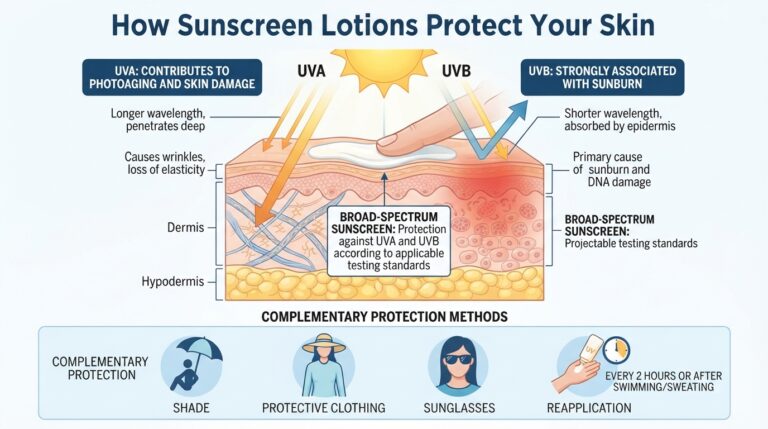
Before we dive into how long sunscreen lasts, it’s essential to understand what sunscreen is and how it works. Sunscreen is a topical product that protects the skin from ultraviolet (UV) radiation, which can lead to sunburn, premature aging, and skin cancer. Sunscreens typically come in two forms:
- Chemical Sunscreens: These absorb UV radiation through their chemical ingredients, converting it into heat, which is then released from the skin.
- Physical (Mineral) Sunscreens: These contain active mineral ingredients like zinc oxide or titanium dioxide that sit on top of the skin to physically block and scatter damaging UV rays.
How Long Does Sunscreen Last on Skin?
The effectiveness of sunscreen largely depends on several factors, including its SPF rating and how it’s applied. Generally, most sunscreens are designed to last for about two hours on the skin under normal conditions. However, this can vary based on several factors:
1. SPF Rating
The Sun Protection Factor (SPF) measures how well a sunscreen protects against UVB rays, which are the primary cause of sunburn. Higher SPF numbers indicate a greater level of protection. Here’s a breakdown:
| SPF Rating | Protection Level |
|---|---|
| 30 | 97% of UVB rays blocked |
| 50 | 98% of UVB rays blocked |
| 100 | 99% of UVB rays blocked |
While a higher SPF does provide more protection, it does not necessarily mean you can apply it less frequently. Regardless of SPF, reapplication is crucial.
2. Water Resistance
Many sunscreens advertise a water-resistant feature, meaning they maintain their SPF protection for a certain period while swimming or sweating. There are typically two categories:
- Water-Resistant (40 minutes): Provides effective protection for up to 40 minutes of swimming or sweating.
- Very Water-Resistant (80 minutes): Maintains protection for up to 80 minutes under similar conditions.
Even if you choose a water-resistant product, it’s essential to reapply sunscreen regularly, especially after towel drying.
3. Skin Type and Condition
Your skin type can also impact how long sunscreen lasts on your skin. Oily skin may allow sunscreen to last longer than dry skin, which can absorb the product more quickly. Additionally, skin that is freshly exfoliated may absorb sunscreen faster, necessitating more frequent applications.
Factors Affecting Sunscreen Longevity
While the SPF and water resistance are important, other factors can influence how long sunscreen lasts on your skin:
1. Application Method
The way you apply sunscreen can significantly affect its effectiveness. Here are some key considerations:
- Amount: Most people apply only 50-75% of the recommended amount. For full-body coverage, you should use about an ounce (a shot glass full).
- Timing: Apply sunscreen at least 15 minutes before sun exposure to allow it to absorb properly and start working.
- Technique: Ensure even coverage by applying in a circular motion and covering all exposed areas, including ears, back of the neck, and feet.
2. Environmental Conditions
Environmental factors such as humidity, temperature, and altitude can also play a role in how long sunscreen lasts on skin. For example:
- In hot and humid conditions, sweat can wash away sunscreen, reducing its effectiveness.
- Higher altitudes expose you to more UV radiation, requiring more frequent application.
3. Activities and Lifestyle
Your daily activities can also dictate how long your sunscreen lasts. Activities like swimming, exercising, or even just being outdoors can wear off sunscreen more quickly. Therefore, if you know you’ll be active, plan to reapply every two hours, or more frequently if sweating or swimming.
Best Practices for Sunscreen Application
To maximize the effectiveness of sunscreen and ensure your skin is adequately protected, consider the following best practices:
- Choose the Right Product: Look for broad-spectrum protection (UVA and UVB) with an SPF of at least 30.
- Check Expiration Dates: Sunscreen can lose its effectiveness over time, so always check the expiration date before use.
- Layering: If using makeup, consider a sunscreen that can be applied over your foundation without disrupting your makeup.
- Reapply Regularly: Reapply every two hours, or immediately after swimming, sweating, or towel drying.
Common Myths About Sunscreen
There are many myths surrounding sunscreen that can lead to misunderstandings about its effectiveness. Here are a few clarifications:
Myth 1: I Don’t Need Sunscreen on Cloudy Days
Up to 80% of UV rays can penetrate clouds, meaning you can still get sunburned even when it’s overcast. Always wear sunscreen, regardless of the weather.
Myth 2: I Only Need Sunscreen at the Beach
Sun exposure can occur anywhere, including during daily commutes, outdoor sports, or simply walking in your neighborhood. Sunscreen should be part of your daily skincare routine.
Myth 3: Sunscreen is Only Necessary for Fair Skin
People with darker skin tones can also suffer from sunburn and skin damage. Everyone, regardless of skin type, should use sunscreen to protect against UV radiation.
Conclusion
Understanding how long sunscreen lasts on skin and the factors that influence its effectiveness is vital for maintaining healthy skin. By choosing the right sunscreen, applying it correctly, and reapplying regularly, you can significantly reduce your risk of sunburn and long-term skin damage. Remember, a little bit of preparation goes a long way in safeguarding your skin against the sun’s harmful effects. So, next time you step outside, make sure you’re fully protected!