
When it comes to skincare, the order of application can significantly impact the effectiveness of the products you use. One common question many people have is whether sunscreen should be applied before or after moisturizer. Understanding this is crucial for protecting your skin from harmful UV rays while ensuring your skin stays hydrated and healthy.
The Importance of Sunscreen in Your Skincare Routine
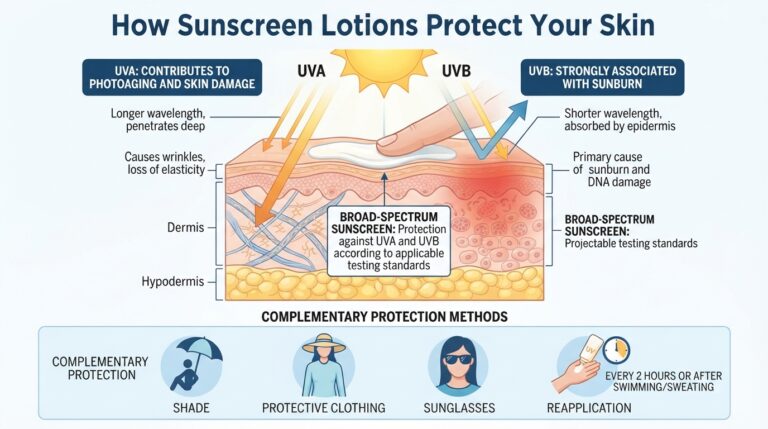
Sunscreen is an essential component of any skincare regimen. Its primary function is to protect the skin from the sun’s harmful ultraviolet (UV) rays, which can lead to skin cancer, premature aging, and other skin issues. According to the Skin Cancer Foundation, regular use of sunscreen can reduce the risk of developing skin cancer by up to 50%.
Types of Sunscreen
There are two main types of sunscreen:
- Physical (Mineral) Sunscreens: Contain active mineral ingredients such as zinc oxide or titanium dioxide that sit on top of the skin and physically block UV rays.
- Chemical Sunscreens: Absorb UV radiation through their chemical ingredients, converting it into heat, which is then released from the skin.
Moisturizer: The Key to Hydrated Skin
A good moisturizer helps maintain the skin’s hydration levels, preventing dryness and promoting a healthy complexion. Ingredients commonly found in moisturizers include:
- Hyaluronic Acid: A powerful humectant that draws moisture into the skin.
- Glycerin: Another humectant that helps keep the skin hydrated.
- Ceramides: Lipids that reinforce the skin barrier and lock in moisture.
The Correct Order: Sunscreen Before or After Moisturizer?
Now that we understand the roles of both sunscreen and moisturizer, let’s delve into the essential question: is sunscreen before or after moisturizer? The consensus among dermatologists is that sunscreen should always be applied after moisturizer. Here’s why:
1. Absorption and Efficacy
Applying moisturizer before sunscreen allows the skin to absorb the hydrating ingredients effectively. If you apply sunscreen first, it may create a barrier that prevents the moisturizer from penetrating the skin properly. This can lead to less hydration, making your skin more susceptible to dryness and irritation.
2. Protection Against UV Rays
Sunscreen is designed to provide a protective layer on the skin. If applied on top of moisturizer, it can form a more effective barrier against UV rays. The effectiveness of your sunscreen is significantly enhanced when it is the outermost layer, creating a shield that prevents UV penetration.
3. Product Interaction
Some ingredients in moisturizers can react with chemical sunscreens, potentially reducing their effectiveness. By applying sunscreen after moisturizer, you minimize the chances of any negative interactions, ensuring that both products work optimally.
Best Practices for Application
To maximize the benefits of both sunscreen and moisturizer, follow these best practices:
Step-by-Step Application
- Cleanse Your Skin: Start with a clean face to remove any impurities.
- Apply Moisturizer: Use a suitable amount of moisturizer to hydrate your skin. Allow it to absorb for a few minutes.
- Apply Sunscreen: Use a broad-spectrum sunscreen with at least SPF 30. Apply generously to all exposed areas.
- Reapply Throughout the Day: If you’re outdoors for extended periods, reapply sunscreen every two hours, or more frequently if swimming or sweating.
Tips for Choosing the Right Products
When selecting a moisturizer and sunscreen, consider the following:
- Skin Type: Choose products formulated for your specific skin type (oily, dry, combination, or sensitive).
- Broad-Spectrum Protection: Ensure your sunscreen provides protection against both UVA and UVB rays.
- Non-Comedogenic Formulas: If you have acne-prone skin, opt for non-comedogenic products that won’t clog pores.
Common Myths About Sunscreen Application
There are several myths surrounding sunscreen application that can lead to confusion:
Myth 1: Sunscreen is Only Needed on Sunny Days
Fact: UV rays can penetrate clouds and still affect your skin even on overcast days. Daily sunscreen use is essential regardless of the weather.
Myth 2: You Only Need to Apply Sunscreen Once a Day
Fact: Sunscreen should be reapplied every two hours, especially if you are sweating or swimming. This ensures continued protection.
Myth 3: Higher SPF Means Better Protection
Fact: While higher SPF does provide more protection, the difference is minimal. An SPF 30 blocks about 97% of UVB rays, while SPF 50 blocks about 98%. Regular application is more important than overly relying on high SPF.
Conclusion
Understanding the proper order of applying sunscreen and moisturizer is vital for maintaining healthy skin and effective sun protection. Always apply moisturizer first to hydrate your skin, followed by sunscreen to shield it from harmful UV rays. By following these guidelines, you can enjoy the benefits of both products and keep your skin looking radiant and youthful.
Remember, incorporating sunscreen into your daily routine is one of the best things you can do for your skin’s health. So, is sunscreen before or after moisturizer? The answer is clear: sunscreen goes after moisturizer for optimal protection and hydration.