
When you’re preparing for a trip, one of the essential items on your list is sunscreen. However, many travelers often wonder, what size sunscreen can you take on a plane? Understanding the regulations around liquids in carry-on luggage is crucial for hassle-free travel. In this article, we will explore the TSA guidelines, tips for packing sunscreen, and alternatives that can help you stay sun-safe on your travels.
Understanding TSA Regulations for Liquids
Before diving into the specifics of sunscreen, it’s important to understand the general rules set by the Transportation Security Administration (TSA) regarding liquids. The TSA has established a set of guidelines that limit the size and quantity of liquids you can bring in your carry-on luggage.
The 3-1-1 Rule Explained
The TSA’s 3-1-1 rule is straightforward and easy to remember:
- 3.4 ounces (100 milliliters): Each liquid item must be 3.4 ounces or less.
- 1 quart-sized bag: All liquids must fit within a single quart-sized, clear, resealable plastic bag.
- 1 bag per passenger: Each traveler is allowed only one such bag.
When planning to take sunscreen on a plane, it’s essential to adhere to these guidelines to avoid delays at security checkpoints.
What Size Sunscreen Can You Take on a Plane?
Considering the TSA regulations, the maximum size of sunscreen you can take on a plane in your carry-on luggage is 3.4 ounces (100 milliliters). This size limitation applies not just to sunscreen but to all liquid, gel, or aerosol products. If you have larger containers, they must be packed in your checked luggage.
Choosing the Right Sunscreen Size
When selecting the right sunscreen for your trip, consider the following options:
- Travel-sized bottles: Many brands offer travel-sized options that are 3.4 ounces or less, perfect for air travel.
- Sample sizes: Some brands provide sample sizes, often under the TSA limit, which are great for short trips.
- Refillable containers: Purchase a larger bottle and transfer a portion into a refillable container that meets the size requirements.
Tips for Packing Sunscreen for Air Travel
Packing sunscreen properly can save you time and ensure you’re protected from the sun during your travels. Here are some helpful tips:
1. Use a Clear Zip-Lock Bag
Since you need to place your liquids in a quart-sized bag, using a clear zip-lock bag can help you stay organized and compliant with TSA regulations. Make sure the bag is easy to access for security checks.
2. Check Expiration Dates
Before you pack your sunscreen, check the expiration date. Sunscreens typically have a shelf life of about three years. Using expired sunscreen can compromise its effectiveness.
3. Consider Sun Protection Factor (SPF)
When selecting sunscreen, choose one with an SPF of at least 30 for adequate protection. Higher SPF ratings can provide extra protection, especially for those with fair skin or a history of skin cancer.
Alternatives to Sunscreen for Air Travel
If you find it challenging to pack sunscreen within the TSA regulations or prefer alternatives, consider the following options:
1. Sunscreen Sticks
Sunscreen sticks are a great alternative because they are less likely to spill and often come in sizes that comply with TSA regulations. They are also convenient for reapplication throughout the day.
2. SPF-Infused Products
Look for cosmetics or moisturizers that contain SPF. These products can provide sun protection while serving multiple purposes, saving space in your carry-on.
3. Clothing with UV Protection
Consider wearing clothing made from UV-protective fabric. This can add an extra layer of defense against harmful UV rays without the need for additional sunscreen.
Common Myths About Sunscreen and Air Travel
As with many travel-related topics, myths and misconceptions about sunscreen abound. Here are some common ones debunked:
Myth 1: You Can Bring Any Size of Sunscreen
As discussed, you cannot bring any size of sunscreen in your carry-on. The TSA’s 3.4-ounce rule applies to all liquids, including sunscreen.
Myth 2: Sunscreen is Only Necessary in Summer
Many people believe that sunscreen is only needed during the summer months. In reality, UV rays can harm your skin year-round, so it’s essential to wear sunscreen regardless of the season.
Myth 3: Sunscreen is Enough Protection
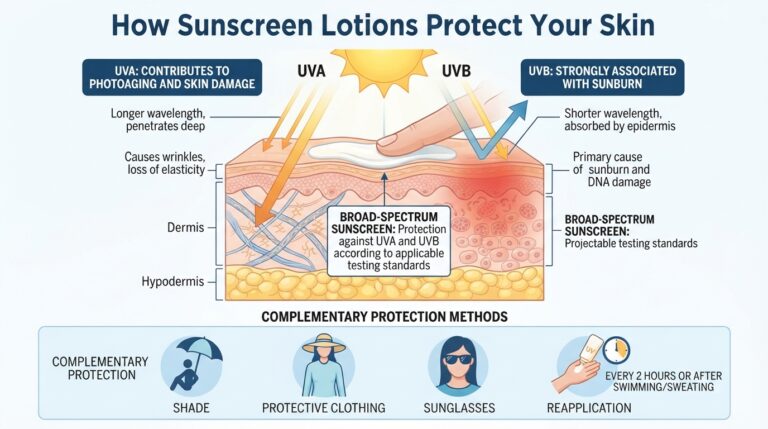
While sunscreen is crucial, it should not be your only form of sun protection. Wearing hats, sunglasses, and protective clothing also plays a significant role in safeguarding your skin.
How to Handle Sunscreen in Checked Baggage
If you plan to bring larger containers of sunscreen, you can pack them in your checked luggage. Here are some points to keep in mind:
- Check the airline’s luggage policy: Make sure you’re aware of the weight and size limits for checked baggage.
- Seal containers tightly: To prevent leaks, ensure all containers are securely closed and consider using plastic wrap around the lids.
- Pack smart: Place sunscreen in the center of your suitcase, surrounded by clothing for added protection against breakage.
Conclusion
Traveling with sunscreen is a vital part of protecting your skin while on the go. Knowing what size sunscreen can you take on a plane can save you time and frustration at security checkpoints. By adhering to TSA regulations, selecting the right products, and exploring alternatives, you can ensure that you stay sun-safe during your travels. Remember, sun protection is essential regardless of your destination or the season, so always plan ahead and enjoy your journey with confidence.