

The question of whether you should wear sunscreen inside is one that many people overlook. While we often associate sun protection with outdoor activities, the reality is that UV rays can penetrate windows and cause skin damage even when we are indoors. Understanding the importance of sunscreen, even inside, is crucial for maintaining healthy skin and preventing long-term damage.
The Science Behind UV Rays
To fully grasp why wearing sunscreen indoors is essential, it’s vital to understand the different types of ultraviolet (UV) rays and how they affect our skin.
Types of UV Rays
There are two primary types of UV rays that can lead to skin damage:
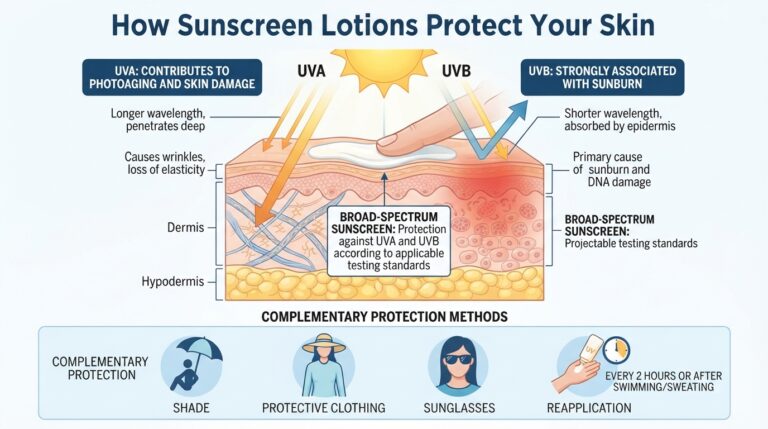
- UVA Rays: These rays can penetrate deep into the skin and are primarily responsible for aging and long-term skin damage, including wrinkles and sunspots.
- UVB Rays: These rays are responsible for causing sunburn and are linked to skin cancer. They are more intense during the summer months and at higher altitudes.
Indoor Exposure to UV Rays
Even when you are inside, you are not completely shielded from UV rays. Here are a few situations where you might be exposed:
- Near windows: UVA rays can penetrate glass, meaning you can still be affected while sitting in a sunlit room.
- In cars: UV rays can enter through car windows, especially if they are not tinted.
- Artificial lighting: Some fluorescent and halogen lights emit low levels of UV radiation.
The Risks of Not Wearing Sunscreen Indoors
Skipping sunscreen while indoors may seem harmless, but the cumulative effects of UV exposure can lead to serious skin issues. Here are some risks associated with neglecting sunscreen:
Skin Aging
Prolonged exposure to UVA rays can accelerate skin aging, leading to:
- Fine lines and wrinkles
- Loss of skin elasticity
- Uneven skin tone and texture
Skin Cancer
The American Academy of Dermatology emphasizes that UV exposure is a significant risk factor for skin cancer. Regular use of sunscreen can help mitigate this risk.
Hyperpigmentation
Excess sun exposure can lead to hyperpigmentation, a condition where patches of skin become darker than the surrounding areas. This can be particularly frustrating for those looking for an even skin tone.
Benefits of Wearing Sunscreen Indoors
Now that we’ve outlined the risks, let’s explore the benefits of incorporating sunscreen into your indoor routine.
Protection Against UV Damage
The most straightforward benefit of wearing sunscreen indoors is protection from harmful UV rays. Regular application helps prevent:
- Premature aging
- Skin cancers
- Uneven skin tone
Improved Skin Health
Using sunscreen can improve the overall health of your skin, especially when combined with other skincare products like moisturizers and serums.
Confidence Boost
Knowing that you are taking proactive steps to protect your skin can boost your confidence and peace of mind.
How to Choose the Right Sunscreen for Indoor Use
Choosing the right sunscreen is crucial for effective protection. Here are factors to consider:
Broad-Spectrum Protection
Always opt for a sunscreen labeled as “broad-spectrum,” which means it protects against both UVA and UVB rays.
SPF Rating
For daily indoor use, a sunscreen with an SPF of 30 is generally recommended, but higher SPFs can provide added protection if you spend significant time near windows.
Formulation
Consider your skin type when choosing a sunscreen:
- Oily Skin: Look for oil-free or gel-based formulations.
- Dry Skin: Cream-based sunscreens with added moisturizers can provide hydration.
- Sensitive Skin: Mineral sunscreens with zinc oxide or titanium dioxide are often gentler.
How to Apply Sunscreen Correctly
Applying sunscreen correctly is just as important as choosing the right product. Here’s a step-by-step guide:
Step-by-Step Application
- Start with a clean, dry face and apply moisturizer if needed.
- Dispense an adequate amount of sunscreen (about a nickel-sized dollop for the face).
- Apply evenly across all exposed skin, including ears and neck.
- Don’t forget areas like the back of the hands and forearms, especially if you sit near windows.
- Allow the sunscreen to absorb for at least 15 minutes before applying makeup or going outdoors.
Reapplication
While indoors, reapplication may not be necessary unless you are sweating heavily or have wiped your face. However, it’s a good practice to reapply every two hours if you are near windows or in direct sunlight.
Common Myths About Sunscreen
As with many health topics, misconceptions about sunscreen abound. Here are some common myths debunked:
Myth 1: Sunscreen is Only Needed on Sunny Days
UV rays can penetrate clouds, so sunscreen is needed even on overcast days.
Myth 2: Indoor UV Exposure is Minimal
As discussed earlier, UV rays can enter buildings through windows, making indoor exposure significant.
Myth 3: Darker Skin Doesn’t Need Sunscreen
While darker skin tones have more melanin, which offers some natural protection, everyone is at risk for skin damage and should use sunscreen.
Conclusion: Make Sunscreen a Daily Habit
In conclusion, the answer to the question, should you wear sunscreen inside, is a resounding yes. By incorporating sunscreen into your daily routine, you are taking a crucial step towards long-term skin health and protection against the harmful effects of UV rays. From preventing premature aging to reducing the risk of skin cancer, the benefits far outweigh the effort involved in applying it. Make sunscreen a non-negotiable part of your skincare regimen, and enjoy the peace of mind that comes with knowing you are protecting your skin, indoors or out.
Frequently Asked Questions
Can I use my regular moisturizer with SPF instead of sunscreen?
While moisturizers with SPF can provide some protection, they often do not offer the same level of broad-spectrum coverage or the necessary amount of product applied for effective protection. It’s best to use a dedicated sunscreen.
How can I remember to apply sunscreen indoors?
Incorporate it into your morning routine, just like brushing your teeth. Keeping sunscreen near your skincare products or in your workspace can serve as a visual reminder.
Is there a difference between chemical and physical sunscreens?
Yes, chemical sunscreens absorb UV rays and convert them into heat, while physical (or mineral) sunscreens sit on the skin’s surface and reflect UV rays. Choose the type that best suits your skin type and preference.