
As summer approaches and outdoor activities increase, many wonder, is spray sunscreen effective? The convenience of spray sunscreen has made it a popular choice among beachgoers, hikers, and athletes alike. However, understanding its effectiveness is crucial to ensure proper sun protection and overall skin health.
The Basics of Sunscreen
Before diving into the specifics of spray sunscreen, let’s review the fundamentals of sunscreen as a whole. Sunscreen is designed to protect the skin from harmful ultraviolet (UV) rays that can lead to skin damage, sunburn, and an increased risk of skin cancer.
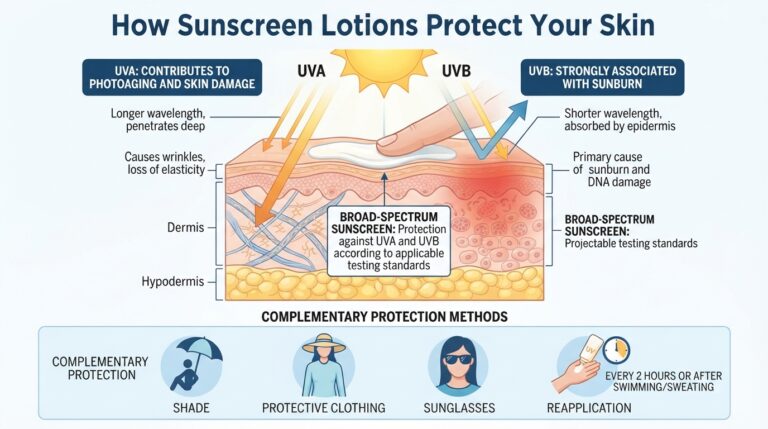
Types of UV Rays
There are two primary types of UV rays that sunscreen aims to protect against:
- UVA Rays: These rays penetrate the skin deeply and are primarily responsible for premature skin aging and wrinkles.
- UVB Rays: These rays are the main cause of sunburn and play a significant role in developing skin cancer.
Understanding SPF
Sun Protection Factor (SPF) measures how well a sunscreen protects against UVB rays. For example, SPF 30 blocks approximately 97% of UVB rays, while SPF 50 blocks about 98%. However, no sunscreen can provide 100% protection.
What is Spray Sunscreen?
Spray sunscreen is a formulation designed for easy application. It comes in an aerosol can or pump spray bottle, allowing users to quickly cover large areas of the body. This type of sunscreen is popular for its convenience and often feels lighter on the skin compared to creams or lotions.
Benefits of Spray Sunscreen
Spray sunscreen offers several advantages that contribute to its popularity:
- Convenience: It’s quick and easy to apply, especially for hard-to-reach areas.
- Lightweight Feel: Many users find spray formulations less greasy and more comfortable than creams.
- Water-Resistant Options: Many spray sunscreens are formulated to be water-resistant, making them ideal for beach days or swimming.
Is Spray Sunscreen Effective?
Now, let’s address the central question: is spray sunscreen effective? The short answer is yes, but there are several factors to consider to ensure maximum protection.
Application Techniques
To get the most out of spray sunscreen, proper application is essential. Here are some tips to ensure effectiveness:
- Shake the Can: Always shake the canister before use to ensure an even distribution of the product.
- Apply Generously: Spray sunscreen should be applied liberally. A common guideline is to use about an ounce (a full shot glass) for full body coverage.
- Hold at the Right Distance: Hold the can about 4-6 inches away from the skin while spraying to ensure even coverage.
- Rub It In: After spraying, it’s recommended to rub the sunscreen into the skin to ensure coverage and absorption.
- Reapply Often: Reapply every two hours or immediately after swimming, sweating, or towel drying.
Comparing Spray Sunscreen to Lotion Sunscreen
When considering whether to use spray sunscreen or lotion, it’s important to weigh the pros and cons of each:
| Feature | Spray Sunscreen | Lotion Sunscreen |
|---|---|---|
| Application Ease | Quick and easy to apply | May require more time and effort |
| Coverage | Can be uneven if not applied correctly | Allows for better control and even distribution |
| Feel on Skin | Lightweight, less greasy | Can feel heavier and greasier |
| Water Resistance | Many are water-resistant | Some lotions are also water-resistant |
Common Misconceptions About Spray Sunscreen
Despite its popularity, several misconceptions about spray sunscreen can lead to improper use. Here are some common myths debunked:
Myth 1: Spray Sunscreen Doesn’t Work as Well as Lotion
This is not true. When applied correctly, spray sunscreens are just as effective as lotion sunscreens. The key is to ensure thorough coverage and proper reapplication.
Myth 2: You Can’t Use Spray Sunscreen on Your Face
Many people think spray sunscreen isn’t suitable for the face, but there are products specifically formulated for facial use. However, be cautious of inhaling the spray and consider using lotion on sensitive facial areas.
Myth 3: One Application is Enough for All Day
Regardless of the type of sunscreen used, reapplication is crucial. Sunscreen should be reapplied every two hours, or more frequently if swimming or sweating. This applies to both spray and lotion types.
Choosing the Right Spray Sunscreen
With numerous options on the market, selecting the right spray sunscreen can be daunting. Here are some factors to consider:
SPF Rating
Choose a sunscreen with at least SPF 30 for adequate protection. Higher SPF ratings provide slightly better protection but are not a substitute for proper application and reapplication.
Broad-Spectrum Protection
Select products labeled as “broad-spectrum,” which protect against both UVA and UVB rays.
Water Resistance
If you plan to swim or sweat, look for a water-resistant formula that can withstand these activities for a specified duration (usually 40 or 80 minutes).
Skin Type Considerations
Consider your skin type when choosing a spray sunscreen. If you have sensitive skin, look for hypoallergenic formulas. For oily skin, consider non-comedogenic options.
Conclusion: Ensuring Effective Sun Protection
In conclusion, spray sunscreen is effective when used correctly. It offers a convenient way to protect your skin from harmful UV rays, allowing you to enjoy outdoor activities without worry. Remember to apply it generously, reapply frequently, and choose a product that suits your skin type and needs.
By staying informed and practicing proper sun safety, you can enjoy the sun while minimizing your risk of skin damage. So, the next time you head outdoors, ask yourself: is spray sunscreen effective? With the right approach, the answer is a resounding yes!