
As summer approaches and the sun gets brighter, many people find themselves asking, “Do you still tan with sunscreen?” It’s a common question, especially for those who love the sun but want to protect their skin. In this article, we will explore how sunscreen works, whether it prevents tanning, and the best practices for sun safety.
How Does Sunscreen Work?
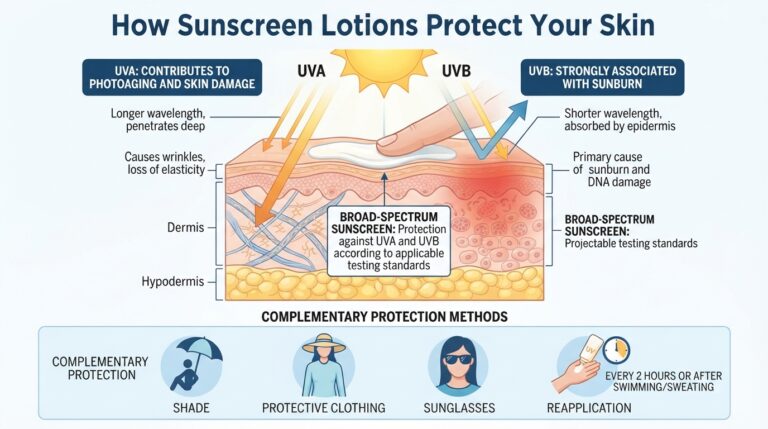
Sunscreen is a topical product designed to protect your skin from the harmful effects of ultraviolet (UV) radiation. It works in two primary ways:
- Physical (Mineral) Sunscreens: These contain active mineral ingredients like zinc oxide or titanium dioxide. They sit on the skin’s surface and reflect UV rays away from the skin.
- Chemical Sunscreens: These absorb UV radiation through their chemical ingredients, transforming it into heat, which is then released from the skin.
Both types of sunscreen are effective, but they work differently and have various pros and cons. It’s essential to choose the right type based on your skin type, activities, and personal preferences.
Do You Still Tan With Sunscreen?
The short answer is yes, you can still tan while wearing sunscreen. However, the extent of tanning depends on several factors:
1. SPF Rating
The Sun Protection Factor (SPF) indicates how well a sunscreen protects against UVB rays, which are primarily responsible for sunburn and tanning. Here’s how it works:
| SPF Rating | Duration of Protection | Percentage of UVB Blocked |
|---|---|---|
| 15 | Provides protection for about 150 minutes | 93% |
| 30 | Provides protection for about 300 minutes | 97% |
| 50 | Provides protection for about 500 minutes | 98% |
Higher SPF ratings offer better protection, reducing the amount of UV radiation that penetrates the skin. However, no sunscreen can block 100% of UV rays, meaning some degree of tanning is still possible.
2. Application and Reapplication
For sunscreen to be effective, it must be applied correctly. Here are some tips:
- Apply sunscreen generously to all exposed skin at least 15-30 minutes before sun exposure.
- Reapply every two hours, or immediately after swimming or sweating.
- Don’t forget areas like the back of your ears, the tops of your feet, and your scalp if it’s exposed.
If you’re not applying enough sunscreen or failing to reapply, you may experience more tanning than intended.
3. Skin Type and Genetics
Your natural skin type and genetic makeup play a significant role in how your skin reacts to sun exposure. Those with lighter skin may tan less and burn more easily, while individuals with darker skin may tan more readily. Additionally, factors such as:
- Skin tone
- Genetic predisposition to tanning
- Existing skin conditions
can all influence the amount of tanning that occurs even when sunscreen is applied.
Benefits of Sunscreen Beyond Preventing Tanning
While the question of “do you still tan with sunscreen” is common, it’s crucial to understand that sunscreen serves several vital functions beyond merely controlling tanning:
1. Prevention of Skin Cancer
Regular use of sunscreen significantly lowers the risk of developing skin cancers, including melanoma, basal cell carcinoma, and squamous cell carcinoma. Studies suggest that consistent use of SPF 30 or higher can reduce skin cancer risk by 50% or more.
2. Protection Against Premature Aging
UV radiation accelerates skin aging, leading to wrinkles, loss of elasticity, and pigmentation issues. By using sunscreen, you help maintain your skin’s youthful appearance.
3. Reduces Sunburn
Sunburn is not just painful; it can also cause long-term skin damage. Sunscreen minimizes the risk of sunburn, allowing you to enjoy outdoor activities safely.
Choosing the Right Sunscreen
With countless options available, selecting the right sunscreen can be overwhelming. Here are some factors to consider when choosing a sunscreen:
1. Broad-Spectrum Protection
Choose a sunscreen that offers broad-spectrum protection, meaning it protects against both UVA and UVB rays.
2. Water Resistance
If you plan to swim or sweat, select a water-resistant sunscreen, which maintains its SPF protection for a certain amount of time while wet.
3. Skin Type Considerations
Different formulations cater to different skin types:
- Oily Skin: Opt for oil-free or gel-based sunscreens.
- Dry Skin: Look for moisturizing ingredients like hyaluronic acid or glycerin.
- Sensitive Skin: Mineral sunscreens with fewer irritants are often best.
4. SPF Selection
For daily use, an SPF of 30 is generally recommended. For extended sun exposure, consider higher SPF values.
Tips for Safe Sun Exposure
Even with sunscreen, it’s essential to practice safe sun exposure. Here are some tips to keep in mind:
1. Seek Shade
Limit direct sun exposure, especially during peak hours (10 AM to 4 PM). Seek shade when possible, especially if you’re in a high-risk category for skin damage.
2. Wear Protective Clothing
In addition to sunscreen, wear protective clothing such as hats, sunglasses, and long sleeves to reduce sun exposure.
3. Stay Hydrated
Drink plenty of water to keep your skin hydrated. Hydrated skin is better equipped to handle sun exposure.
Conclusion
In response to the question, “Do you still tan with sunscreen?” the answer is yes, you can still tan, but proper application and understanding your skin type are key. Sunscreen is a vital tool in your skincare regimen, not just for preventing tanning but for protecting against skin cancer and premature aging. By choosing the right sunscreen and practicing safe sun exposure, you can enjoy the sun while keeping your skin healthy and protected.