
Many of us know the importance of wearing sunscreen to protect our skin from harmful UV rays, but what happens if you use expired sunscreen? Using sunscreen that has surpassed its expiration date can lead to a variety of issues that can compromise your skin’s safety and health. In this article, we will explore the effects of using expired sunscreen, why it loses its effectiveness, and how to choose the right sunscreen for your skin type.
Understanding Sunscreen and Its Importance
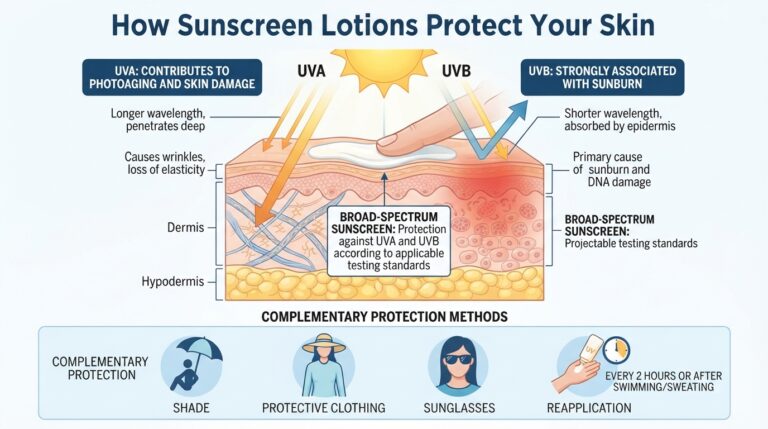
Sunscreen is a crucial element in any skincare routine, particularly for individuals who spend time outdoors. It helps prevent sunburn, premature aging, and skin cancers. Sunscreens typically come in two forms: chemical and physical (mineral). Understanding how these work can help you choose the right product.
Chemical Sunscreens
Chemical sunscreens absorb UV radiation through their chemical ingredients. Common active ingredients include:
- Avobenzone
- Octisalate
- Octocrylene
- Oxybenzone
Physical (Mineral) Sunscreens
Physical sunscreens contain active mineral ingredients like zinc oxide and titanium dioxide. These ingredients sit on top of the skin and reflect UV rays. They are often recommended for sensitive skin types.
Why Does Sunscreen Expire?
Every product has a shelf life, and sunscreen is no exception. The expiration date is the manufacturer’s assurance that the product will remain effective up to that date. After that, several factors can affect its performance:
- Chemical Breakdown: Over time, the active ingredients in sunscreen can degrade, making the product less effective at protecting your skin.
- Storage Conditions: Exposure to heat, humidity, and sunlight can accelerate the degradation process. If sunscreen is not stored properly, it may expire sooner than the marked date.
- Packaging Integrity: Damage to the packaging can also compromise the product, allowing contaminants to enter and degrade the formula.
What Happens If You Use Expired Sunscreen?
Using expired sunscreen can lead to several undesirable outcomes. Here are some potential consequences:
1. Decreased Protection
The most significant risk of using expired sunscreen is the decreased protection against UV rays. This can lead to:
- Increased risk of sunburn
- Higher chances of skin damage
- Long-term consequences such as skin cancer
2. Skin Reactions
Expired sunscreen can also cause skin reactions. The breakdown of ingredients may lead to:
- Allergic reactions
- Skin irritation
- Rashes or breakouts
3. Unpleasant Odor and Texture
Expired products can develop an unpleasant smell and change in texture. Signs of expired sunscreen include:
- A foul odor
- A watery or separated consistency
- Clumping or changes in color
How to Tell If Your Sunscreen Has Expired
It’s essential to check your sunscreen regularly to ensure it’s still effective. Here are some tips on how to identify expired sunscreen:
- Check the Expiration Date: Always look for an expiration date on the packaging and discard any products that are past that date.
- Look for Changes: Inspect the sunscreen for any changes in color, consistency, or smell.
- Storage Conditions: If you’ve stored your sunscreen in a hot environment (like a car), it may have degraded even if the expiration date hasn’t passed.
Best Practices for Sunscreen Use
To maximize the effectiveness of your sunscreen, follow these best practices:
- Apply Generously: Use enough product; about a shot glass full for your entire body.
- Reapply Regularly: Reapply every two hours, or more often if you’re swimming or sweating.
- Choose Broad-Spectrum Protection: Ensure your sunscreen protects against both UVA and UVB rays.
- Store Properly: Keep sunscreen in a cool, dry place away from direct sunlight.
Choosing the Right Sunscreen
When selecting sunscreen, consider the following factors to ensure optimal protection:
1. Skin Type
Your skin type plays a significant role in choosing the right sunscreen:
- Oily Skin: Look for oil-free or non-comedogenic formulas.
- Dry Skin: Opt for moisturizing sunscreens with ingredients like hyaluronic acid.
- Sensitive Skin: Choose physical sunscreens with zinc oxide or titanium dioxide.
2. SPF Level
The Sun Protection Factor (SPF) indicates the level of protection a sunscreen offers. Experts recommend:
- At least SPF 30 for daily use
- Higher SPF for prolonged sun exposure
3. Water Resistance
If you plan on swimming or sweating, choose a water-resistant sunscreen that maintains its SPF for a certain duration, typically 40 or 80 minutes.
Conclusion
Using expired sunscreen can have serious implications for your skin’s health, leading to decreased protection, potential skin reactions, and unpleasant experiences. It’s essential to check the expiration date regularly and choose the right sunscreen for your skin type to ensure adequate protection against harmful UV rays. Remember, a proactive approach to sun safety can help you enjoy the outdoors while keeping your skin healthy and radiant.