

Sunscreen is a staple in our daily skincare routines, but have you ever wondered when sunscreen was invented? The journey of sunscreen begins in the early 20th century, with significant developments that have shaped the formulations we use today. Understanding this history not only sheds light on the importance of protecting our skin but also highlights how far we’ve come in the fight against sun damage.
The Early Beginnings of Sun Protection
The story of sunscreen can be traced back to ancient civilizations that recognized the harmful effects of sun exposure. For instance, the ancient Egyptians used a mixture of rice bran, jasmine, and other natural ingredients to protect their skin from the sun’s rays. However, the first modern sunscreen was not created until the 1930s.
The 1930s: The Birth of Modern Sunscreen
In 1936, a chemist named Franz Greiter developed one of the first commercial sunscreens, known as “Gletscher Creme” (Glacier Cream). This product was initially designed for skiers and climbers who faced harsh UV exposure in high-altitude environments. Greiter’s formula provided a sun protection factor (SPF) of 2, an early attempt to quantify the sun’s blocking effects.
Following Greiter’s invention, the concept of SPF began to gain traction. In 1946, a new formulation was introduced by the American chemist Benjamin Green, who created a product called “Coppertone.” This sunscreen was marketed for beachgoers and became immensely popular, paving the way for the sunscreen industry we know today.
The Development of SPF: A Game Changer
With the introduction of SPF came a significant shift in how sunscreen was formulated and marketed. SPF, or Sun Protection Factor, measures how well a sunscreen can protect the skin from UVB rays, which are responsible for sunburn and contribute to skin cancer.
Understanding SPF Ratings
SPF ratings can be confusing, but they provide essential information about the level of protection offered. Here’s a breakdown of how SPF works:
- SPF 15 blocks about 93% of UVB rays.
- SPF 30 blocks about 97% of UVB rays.
- SPF 50 blocks about 98% of UVB rays.
As the understanding of sun protection evolved, so did the formulations of sunscreens. New ingredients were introduced to enhance protection, including physical blockers like zinc oxide and titanium dioxide, as well as chemical absorbers that target specific UV wavelengths.
The Rise of Broad-Spectrum Protection
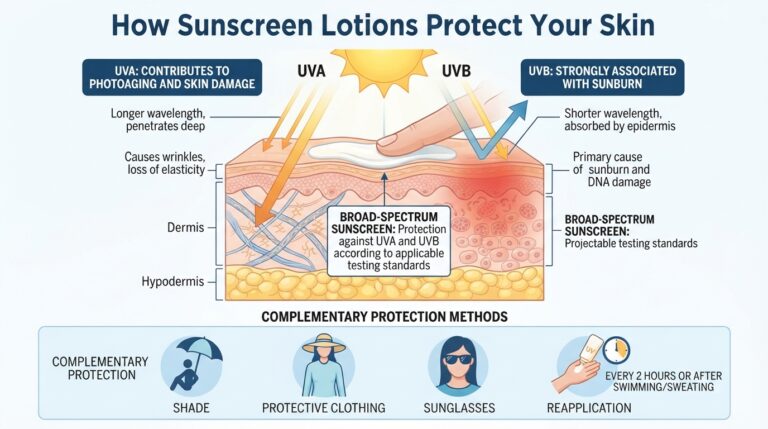
By the late 20th century, researchers began to understand the importance of protecting against both UVA and UVB rays. While UVB rays cause sunburn, UVA rays penetrate deeper into the skin and are linked to premature aging and skin cancer. This led to the development of broad-spectrum sunscreens, which offer protection against both types of harmful rays.
Key Ingredients in Modern Sunscreens
Today’s sunscreens contain a variety of active ingredients that provide comprehensive protection. Here are some of the most common ingredients found in sunscreens:
| Ingredient | Type | Function |
|---|---|---|
| Zinc Oxide | Physical | Reflects and scatters UV radiation |
| Titanium Dioxide | Physical | Blocks UV radiation and is less irritating |
| Avobenzone | Chemical | Absorbs UVA rays |
| Octisalate | Chemical | Stabilizes sunscreen and enhances UVB protection |
Current Trends in Sunscreen Formulations
As consumer awareness about skin health has increased, so has the demand for innovative sunscreen products. Today, there are various formulations available to suit different preferences and skin types:
- Water-resistant options: Ideal for athletes and those who swim.
- Mineral vs. chemical sunscreens: Mineral sunscreens are often favored for sensitive skin.
- Cosmetic formulations: Many sunscreens now include skincare benefits, such as antioxidants and moisturizing agents.
Why Wearing Sunscreen is Essential
Understanding when sunscreen was invented and its evolution highlights its necessity in modern skincare. Here are several compelling reasons to make sunscreen a part of your daily routine:
Protection Against Skin Cancer
Skin cancer is one of the most common types of cancer, and the use of sunscreen can significantly reduce the risk. According to the Skin Cancer Foundation, regular use of sunscreen with an SPF of 15 or higher can reduce the risk of developing melanoma by 50%.
Prevention of Premature Aging
Sun exposure is a leading cause of premature skin aging, including wrinkles, fine lines, and age spots. By using sunscreen daily, you can protect your skin and maintain a youthful appearance.
Even Skin Tone
Using sunscreen helps prevent discoloration and uneven skin tone caused by sun exposure. This is particularly important for those with hyperpigmentation or other skin tone concerns.
How to Choose the Right Sunscreen
With so many options available, selecting the right sunscreen can be overwhelming. Here are some tips to help you make an informed choice:
- Look for a broad-spectrum sunscreen to ensure protection against both UVA and UVB rays.
- Choose an SPF of 30 or higher for adequate protection.
- Consider your skin type; if you have sensitive skin, opt for mineral-based options.
- Check for water resistance if you plan to swim or sweat.
Conclusion: A Legacy of Sun Protection
From its inception in the 1930s to today’s advanced formulations, sunscreen has come a long way. Understanding when sunscreen was invented and the innovations that followed helps us appreciate the importance of protecting our skin from harmful UV rays. As we continue to learn more about skin health and the effects of sun exposure, one thing remains clear: sunscreen is an essential part of our daily routine, and its importance cannot be overstated.
As you choose your sunscreen, remember that it’s not just a product; it’s a shield against the sun’s harmful rays, a vital step in your skincare regimen, and a commitment to protecting your skin’s health for years to come.