
As summer approaches and outdoor activities increase, many people wonder, “Can I use expired sunscreen?” It’s a valid question, especially if you find an old bottle tucked away in your beach bag or bathroom cabinet. In this article, we’ll explore the safety and efficacy of expired sunscreen, what to look for before using it, and the best practices to ensure your skin is protected from harmful UV rays.
Understanding Sunscreen Basics
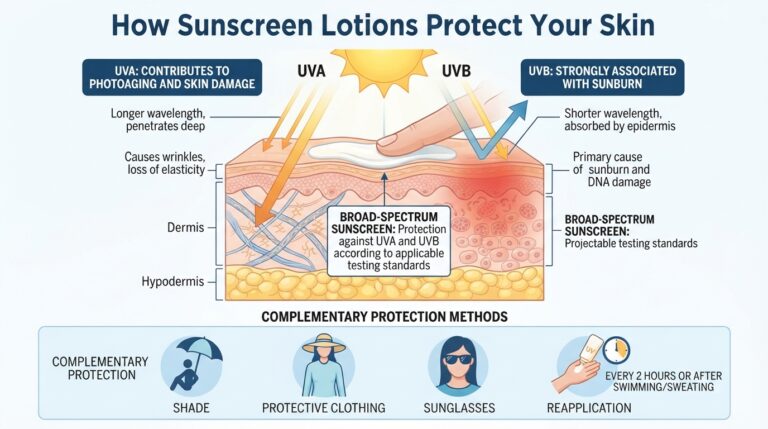
Before diving into the specifics of expired sunscreen, it’s essential to understand what sunscreen is and how it works. Sunscreen is formulated to protect your skin from the sun’s ultraviolet (UV) rays, which can lead to skin damage, premature aging, and an increased risk of skin cancer. Sunscreens typically contain active ingredients that either absorb or reflect UV radiation, making them crucial for outdoor activities.
Types of Sunscreen
Sunscreens come in various forms and formulations, and understanding these can help you choose the right one for your needs:
- Chemical Sunscreens: These contain organic compounds (like avobenzone and octisalate) that absorb UV radiation.
- Physical (Mineral) Sunscreens: These typically contain zinc oxide or titanium dioxide, which sit on the skin’s surface and reflect UV rays.
- Water-Resistant Sunscreens: Formulated to remain effective for a certain period while swimming or sweating.
Expiration Dates and Sunscreen
All cosmetic products, including sunscreens, come with expiration dates that indicate the period during which they are guaranteed to remain effective. The FDA requires that sunscreens have a shelf life of at least three years, but many factors can influence this period.
What Happens When Sunscreen Expires?
When sunscreen expires, its effectiveness diminishes. The active ingredients may break down over time, leading to a product that no longer provides adequate protection against UV rays. Here’s what you need to know:
- Reduced Protection: Expired sunscreen may not block UV rays effectively, increasing your risk of sunburn and skin damage.
- Possible Changes in Consistency: Expired sunscreen can become thick, separate, or change color, indicating it’s no longer safe to use.
- Skin Reactions: Using expired product may lead to skin irritation or allergic reactions.
Signs That Your Sunscreen Has Expired
Before applying sunscreen, check for these common signs that it may have expired:
- Change in Texture: If the sunscreen feels grainy or has separated, it’s best to discard it.
- Color Changes: A significant change in color can indicate the breakdown of active ingredients.
- Unusual Smell: A rancid or off-putting odor is a clear sign that the product is no longer good.
How to Properly Store Sunscreen
Proper storage can extend the life of your sunscreen and help maintain its effectiveness. Here are some tips to consider:
- Keep it Cool: Store sunscreen in a cool, dry place away from direct sunlight and heat.
- Avoid Humidity: Bathrooms can be humid; consider storing sunscreen in a bedroom or other dry area.
- Check Expiration Dates: Regularly check the dates on your sunscreen bottles, especially if you don’t use them often.
Best Practices for Sunscreen Usage
To ensure you’re getting the most out of your sunscreen, follow these best practices:
- Apply Generously: Use enough product—about an ounce for full-body coverage.
- Reapply Regularly: Reapply every two hours, or more frequently if swimming or sweating.
- Check the SPF: Choose a broad-spectrum sunscreen with an SPF of at least 30 for optimal protection.
- Combine with Other Protection: Wear protective clothing and seek shade, especially during peak sun hours.
What to Do if You’ve Used Expired Sunscreen
If you suspect that you’ve used expired sunscreen, monitor your skin for any signs of irritation or sunburn. If you experience any adverse reactions, consult a dermatologist. Here’s what you can do:
- Stop Using It: Discontinue use immediately if you notice any adverse effects.
- Hydrate: Drink plenty of water and use soothing lotions to help your skin recover.
- Consult a Professional: If you have concerns about skin damage or irritation, seek advice from a healthcare provider.
Alternative Sunscreen Options
If you find that your sunscreen is expired, consider these alternative options for sun protection:
- Replenish Your Supply: Invest in a new bottle of sunscreen with a recent expiration date.
- Natural Sun Protection: Use clothing, hats, and sunglasses to shield your skin.
- Stay Indoors: Limit your sun exposure during peak hours when UV rays are strongest.
Conclusion
So, can you use expired sunscreen? The short answer is no; it’s best to avoid using sunscreen past its expiration date to ensure effective sun protection. Regularly checking your sunscreen’s expiration date, storing it properly, and replacing it as needed are vital steps for maintaining skin health. Remember, protecting your skin from harmful UV rays is not just a summer task but a year-round commitment. Stay safe, and enjoy the sun responsibly!